Loading article

Cookie preferences
We use strictly necessary storage for site operation and optional categories for experience, measurement, and marketing. Choose what Gelectric can use, and update it any time from Cookie Settings in the footer.
Cookie preferences
We use strictly necessary storage for site operation and optional categories for experience, measurement, and marketing. Choose what Gelectric can use, and update it any time from Cookie Settings in the footer.
Gelectric Editorial Team
In today’s fast-paced maritime industry, staying ahead means embracing technology that transforms raw data into clear, actionable insights. I’ve seen firsthand how integrating AI into maritime operations can revolutionize fleet management. By leveraging maritime data integration, you can boost efficiency, cut costs, and ensure compliance with ease. Let me walk you through how AI solutions are reshaping maritime operations and how you can harness this power for your fleet.
Maritime operations generate vast amounts of data every day. From engine performance and fuel consumption to weather conditions and cargo status, the information is overwhelming. Without proper integration, this data remains scattered and underutilized.
Maritime data integration brings all these data points together into a unified platform. This consolidation allows you to:
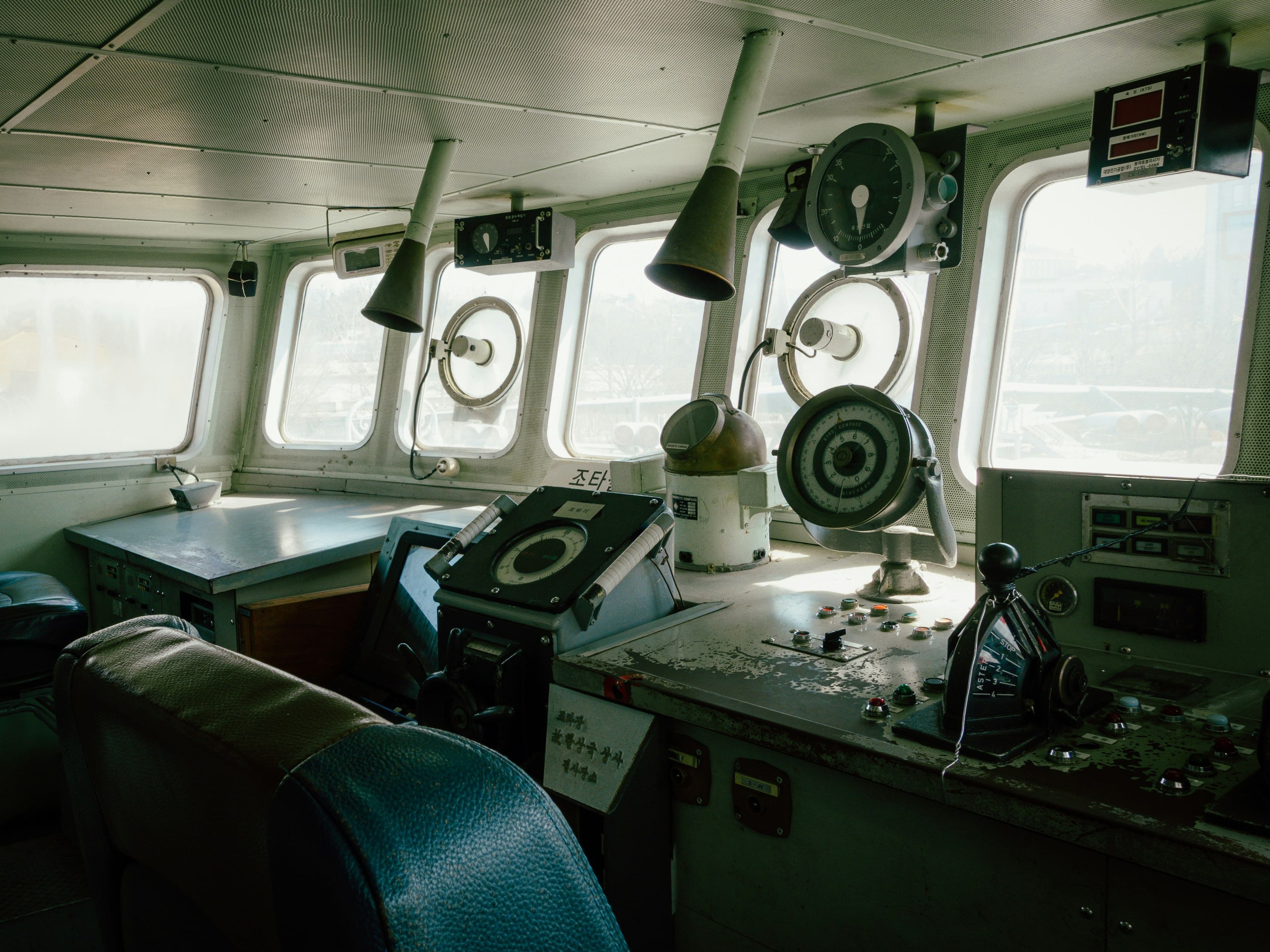
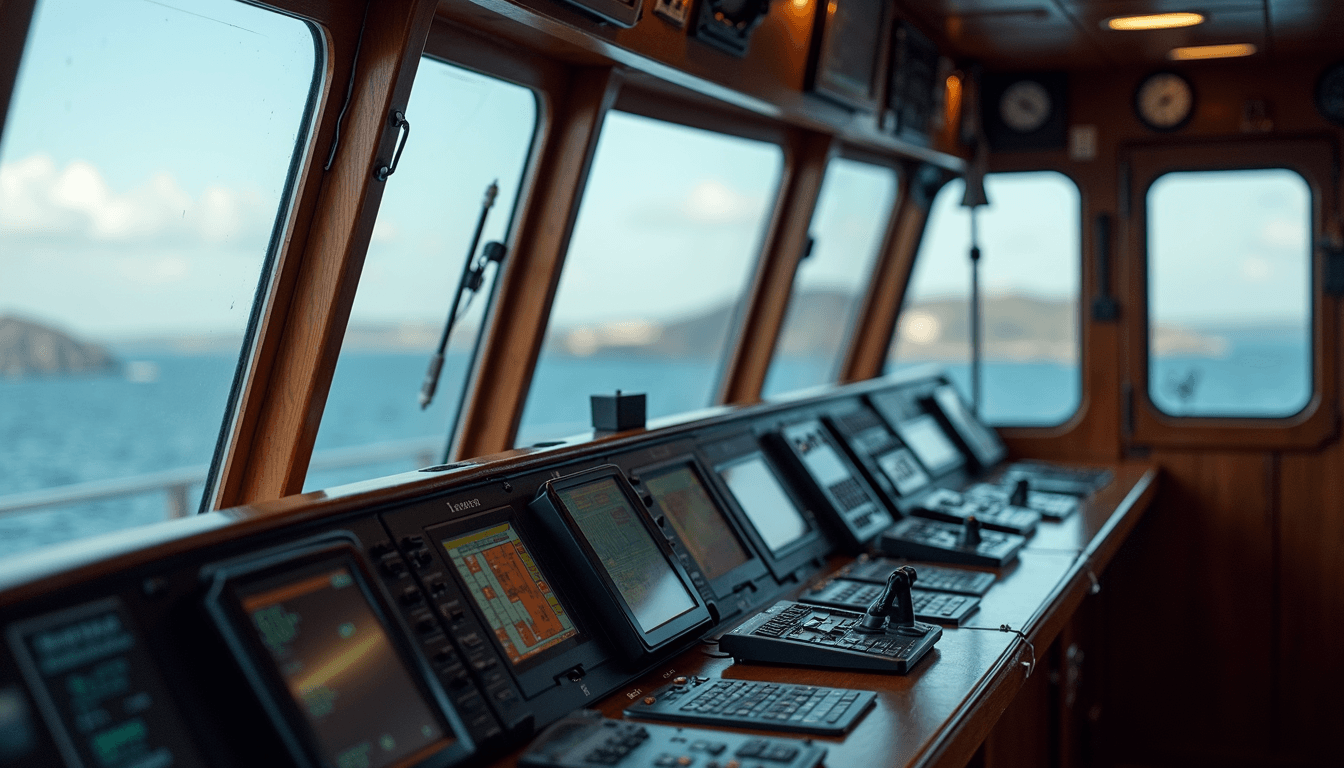 Ship’s bridge with integrated digital navigation systems
AI takes maritime data integration to the next level. It doesn’t just collect data; it analyzes and learns from it. This means you get predictive insights rather than just historical reports.
Receive our monthly maritime intelligence report directly in your inbox.
Expand your knowledge with these recent publications.
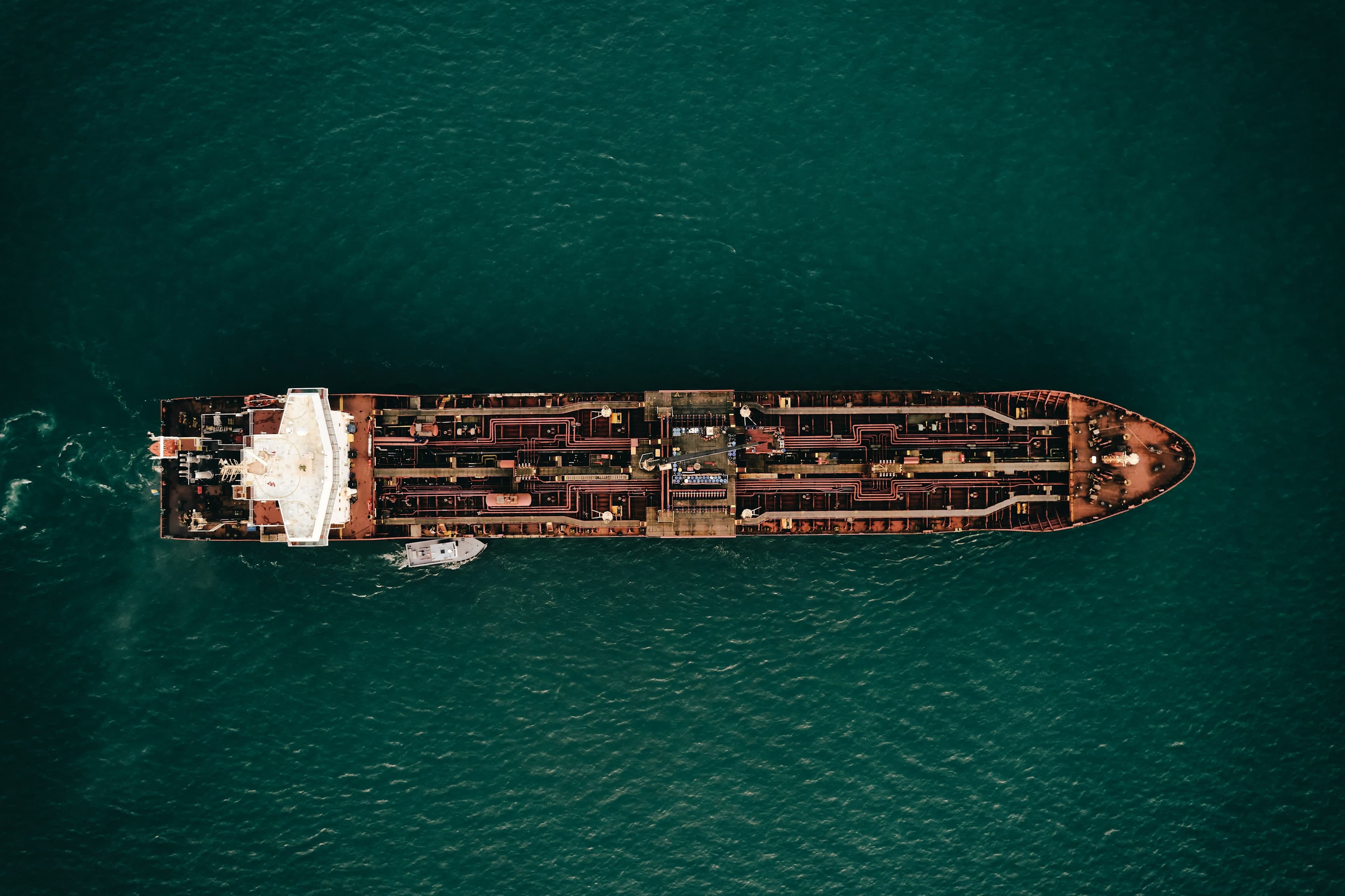
A typical shore-side superintendent or fleet operations director manages anywhere from 5 to 15 vessels. On any given morning, keeping track of those vessels requires navigating a dense ecosystem of single-purpose software tools: an Alarm...
Here’s how AI improves your maritime operations:
AI algorithms analyze engine data to predict when parts will fail. This helps you schedule maintenance proactively, reducing downtime and repair costs. 2. Fuel Optimization
AI models consider vessel speed, load, and weather to recommend the most fuel-efficient routes and speeds. 3. Safety and Compliance Monitoring
AI continuously scans operational data to detect anomalies that could indicate safety risks or compliance breaches. 4. Automated Reporting
AI generates reports automatically, saving time and ensuring accuracy for audits and regulatory bodies. By integrating AI, you transform your fleet’s data into a strategic asset. You gain foresight, not just hindsight.
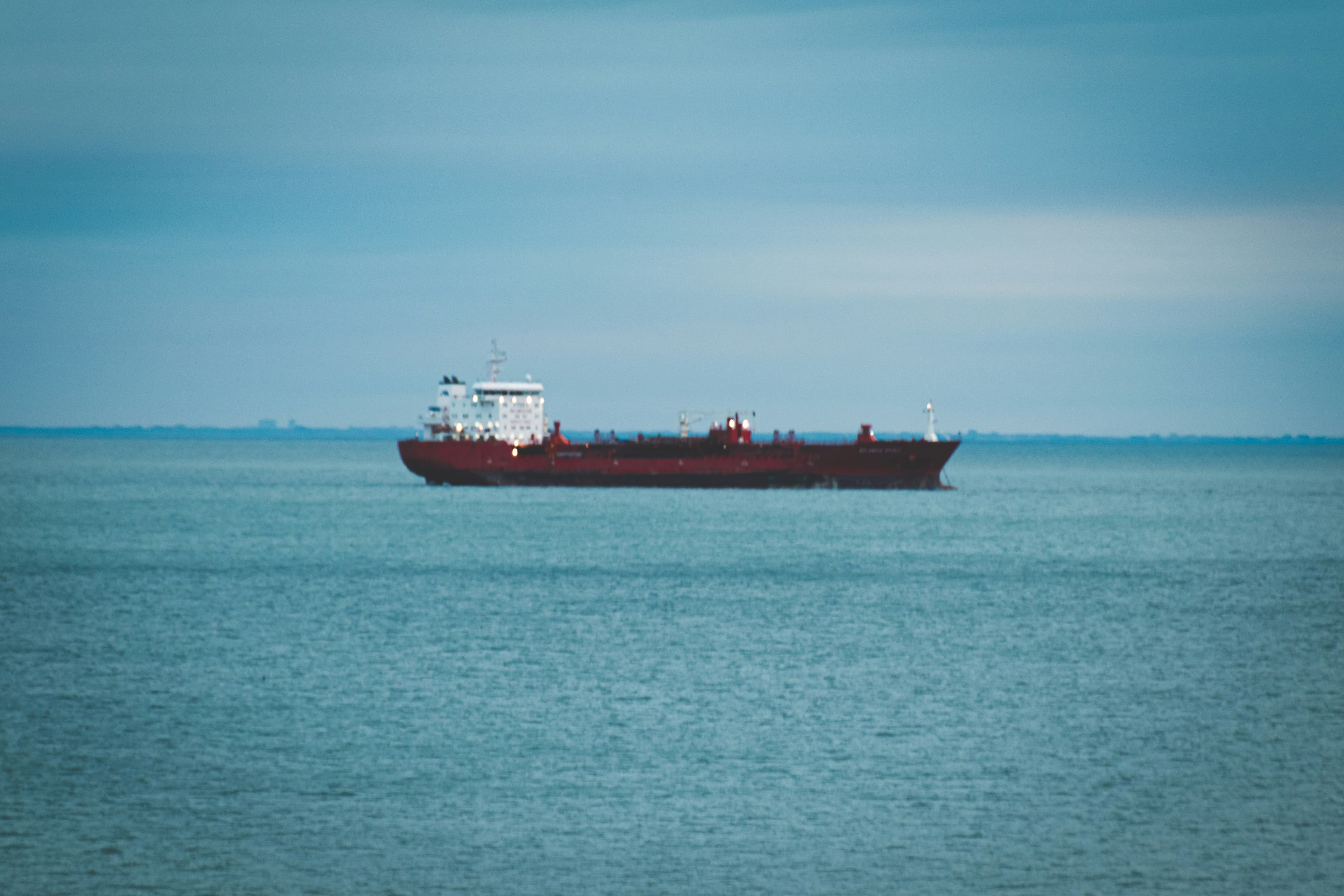
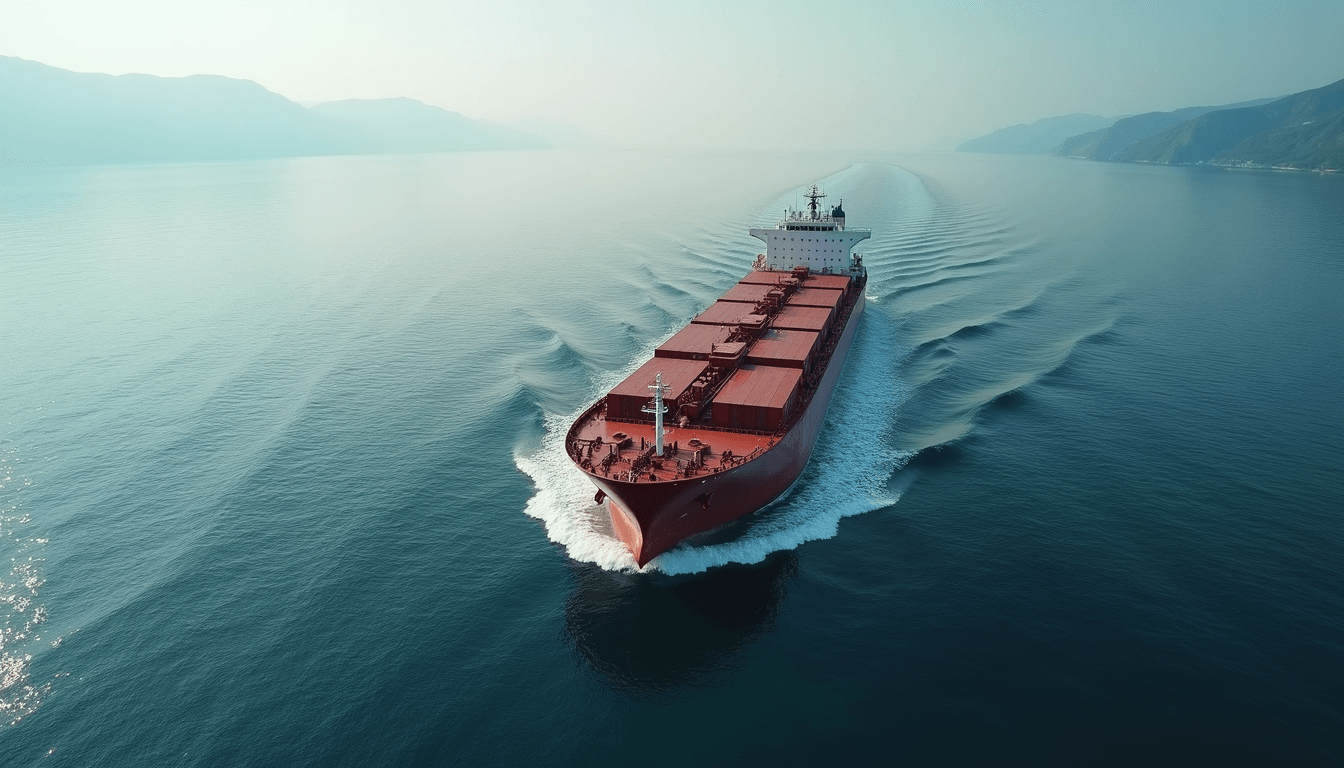 Cargo ship navigating with AI-powered route optimization
Implementing AI solutions might seem daunting, but breaking it down into clear steps makes it manageable:
Assess Your Current Data Infrastructure Identify what data you currently collect and where it is stored. This helps you understand integration needs.
Choose the Right AI Platform Look for platforms tailored to maritime operations. They should support real-time data processing and predictive analytics.
Start Small with Pilot Projects Test AI on a few vessels or specific operations like fuel management. Measure results and refine your approach.
Train Your Team Ensure your crew and management understand how to use AI tools effectively.
Scale Gradually Expand AI integration across your fleet based on pilot success.
Remember, the goal is to turn your existing data into smart, actionable insights. This approach aligns perfectly with Gelectric Maritime Solutions’ mission to help fleets boost efficiency and reduce costs.
Adopting AI in maritime operations comes with challenges, but they are surmountable:
Data Quality Issues Poor data quality can undermine AI effectiveness. Invest in sensors and data validation processes.
Integration Complexity Legacy systems may not easily connect with new AI platforms. Use middleware solutions to bridge gaps.
Resistance to Change Crew and management may hesitate to trust AI. Provide clear training and demonstrate AI’s benefits.
Cost Concerns Initial investment can be high. Focus on long-term savings from reduced fuel use, maintenance, and downtime.
By addressing these challenges head-on, you set your fleet up for successful AI integration.
The maritime industry is on the brink of a digital transformation. AI will play a central role in this evolution. Imagine fleets that:
If you want to stay competitive, embracing maritime operations ai solutions is no longer optional. It’s essential.
By integrating AI into your maritime operations, you unlock the full potential of your data. You gain control, insight, and agility. Gelectric Maritime Solutions is here to help you navigate this journey and become a leader in the new era of maritime efficiency.
Start today, and watch your fleet transform into a smarter, more efficient operation.
Vessels generate a continuous stream of operational and technical information, from condition-monitoring data and machinery trends to performance indicators, maintenance records, alarms, and daily reports. All of this data can provide...
Finding a simple answer from all those collected data can still mean navigating multiple dashboards, reviewing complicated graphs, or searching through pages of reports. Gelectric’s new Chat with Your Vessel feature introduces a simpler way...