Loading article
Cookie preferences
We use strictly necessary storage for site operation and optional categories for experience, measurement, and marketing. Choose what Gelectric can use, and update it any time from Cookie Settings in the footer.
Cookie preferences
We use strictly necessary storage for site operation and optional categories for experience, measurement, and marketing. Choose what Gelectric can use, and update it any time from Cookie Settings in the footer.

Gelectric Editorial Team
This document outlines the Speed and Consumption Performance solution developed by Gelectric. Our primary objective is to provide a precise, data-driven understanding of the relationship between vessel speed, fuel burn, and environmental conditions. By utilizing the Automated Data Catcher to extract historical and real-time operational data, we enable ship owners to validate performance warranties, optimize voyage speeds, and reduce total fuel expenditure.
The "Speed-Consumption Curve" is the heartbeat of maritime economics. However, a vessel’s actual performance at sea rarely matches the theoretical curves established during sea trials. Factors such as hull aging, engine wear, and varying weather conditions constantly shift the efficiency baseline. Traditionally, analyzing these shifts requires manually pulling data from thousands of Noon Reports. This process is so slow that by the time a performance dip is identified, thousands of dollars in excess fuel have already been burned.
The primary challenges in managing speed and consumption performance include:
The primary objectives of this solution are:
Receive our monthly maritime intelligence report directly in your inbox.
Expand your knowledge with these recent publications.
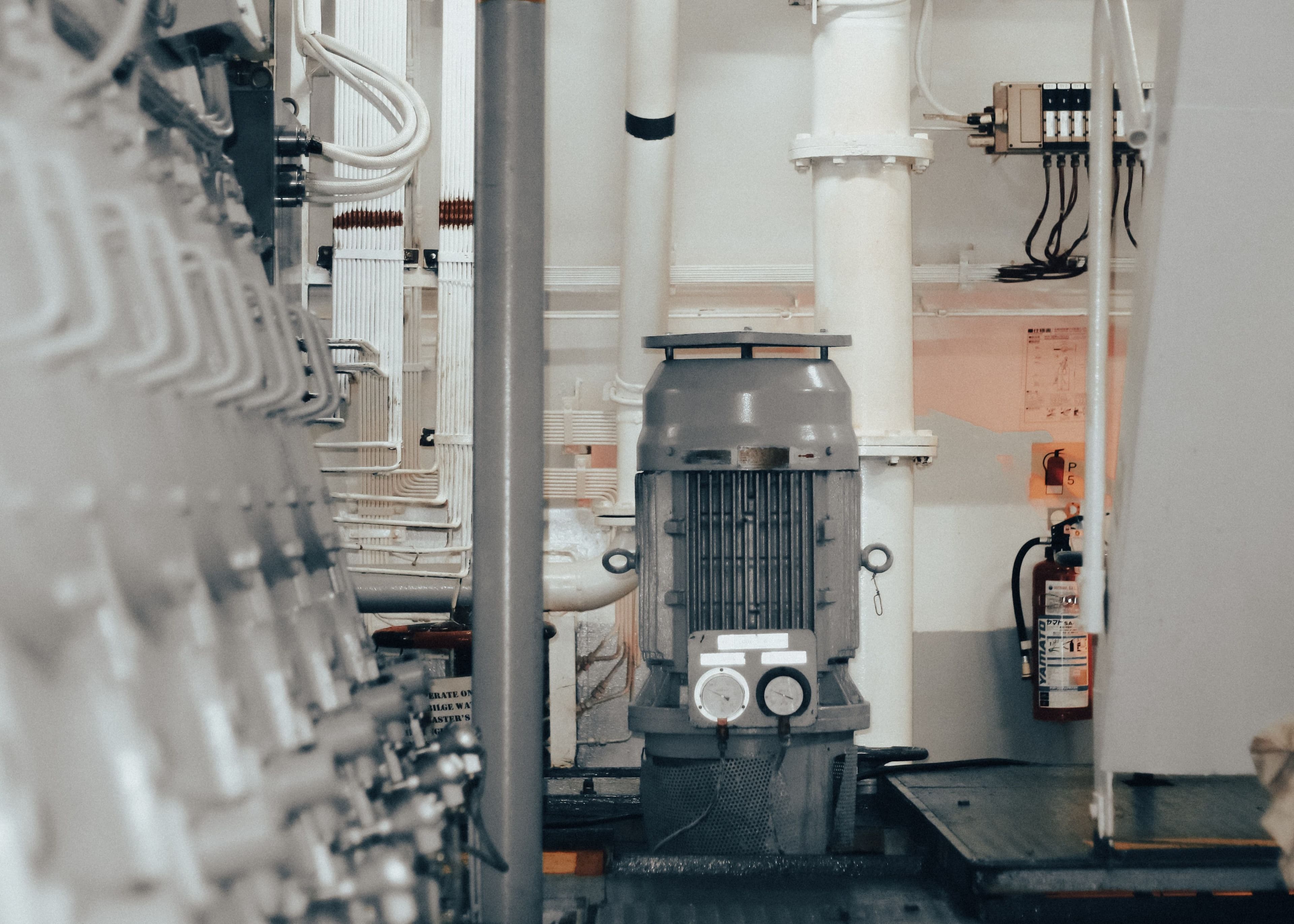
Marine vessels rely on pumps for various critical onboard systems. These include ballast water management, cooling, firefighting, lubrication, fuel transfer, and bilge handling. Proper pump performance is not just operationally essential;...
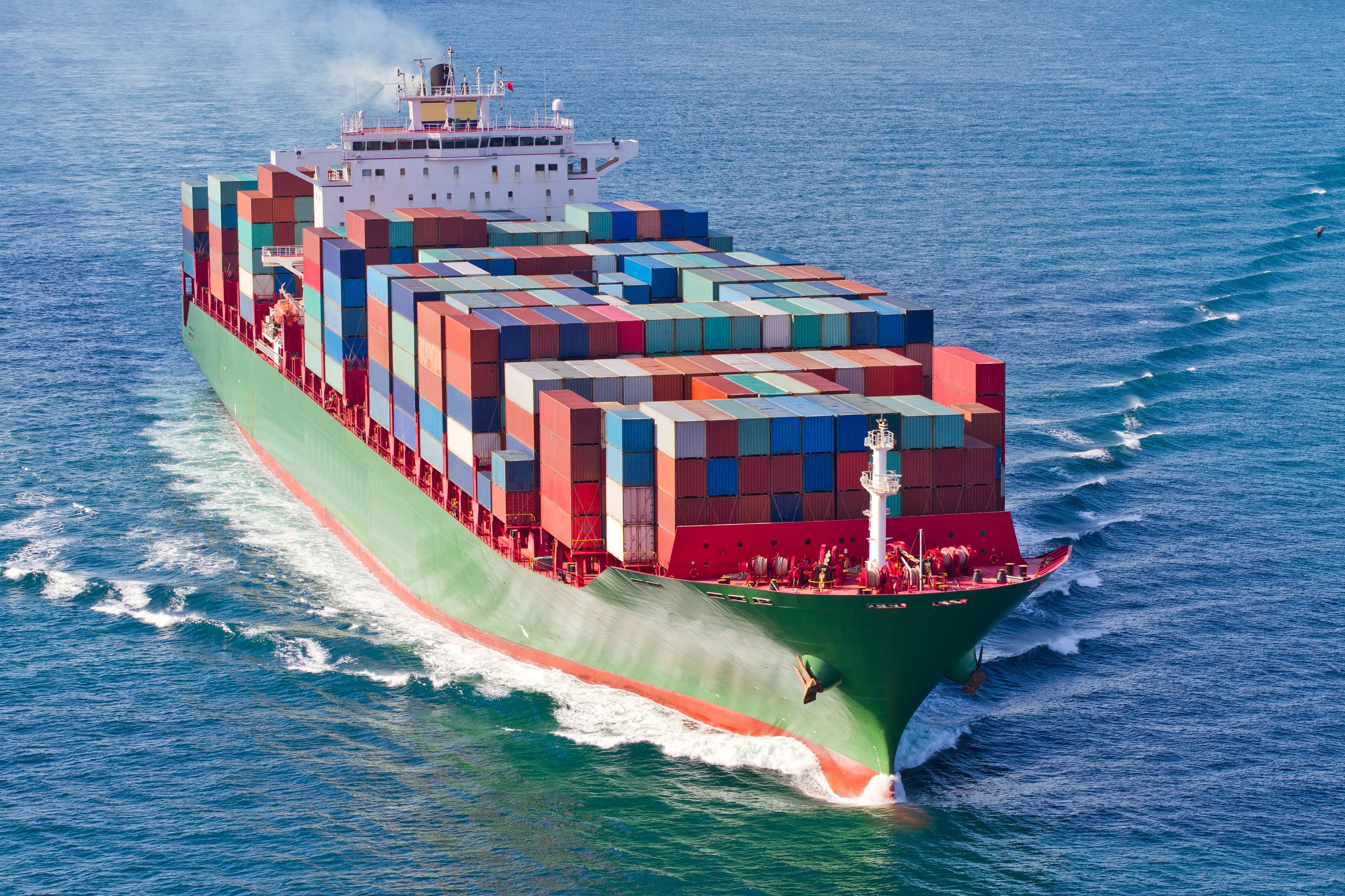
To address these challenges, Gelectric’s solution creates a dynamic performance model by unlocking technical data:
Following the activation of the Automated Data Catcher, technical and commercial managers gain access to:
In today's maritime industry, making informed decisions is crucial. The ability to leverage data effectively can mean the difference between profit and loss. By utilizing the Automated Data Catcher, I can transform raw data into actionable insights. This means I can identify inefficiencies and address them before they become costly problems.
The insights gained from this solution empower me to make strategic decisions that enhance operational efficiency. I can optimize routes based on real-time data, ensuring that my vessels operate at their best. This proactive approach not only reduces costs but also enhances compliance with environmental regulations.
The Gelectric Automated Data Catcher transforms vessel performance from a theoretical exercise into an exact science. By automating the collection and structuring of speed and consumption data, we provide the transparency needed to protect commercial interests and maximize operational margins. In a high-cost, low-margin environment, knowing your vessel's true performance is the ultimate competitive advantage.
To learn more or request a demo, visit Request Demo.
Introduction In this case study, we explore the implementation and impact of our electrical energy monitoring solution on a sea vessel equipped with a Variable Frequency Drive (VFD) application for its consumption reducing. Our goal was to...
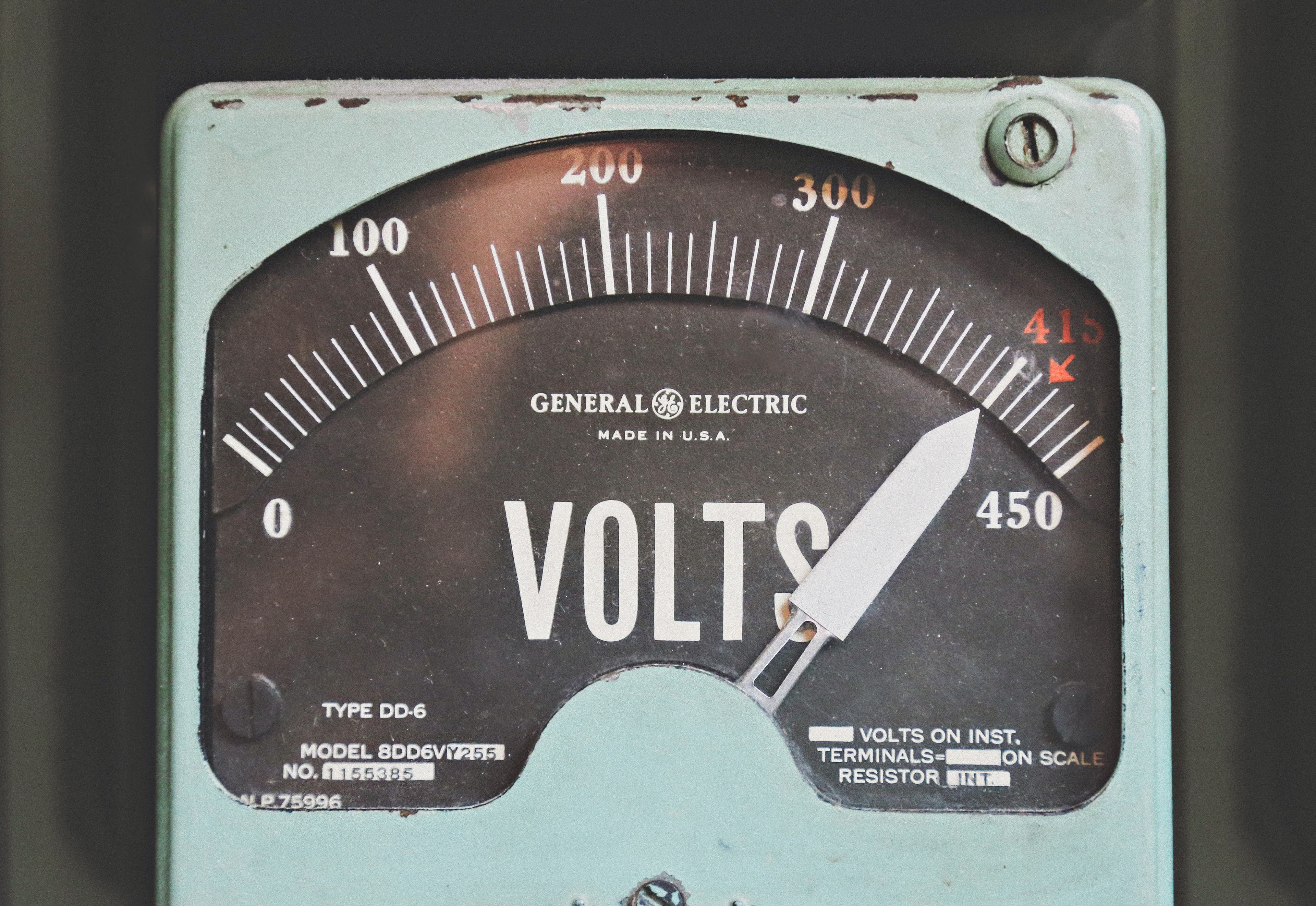
In today's world, where energy efficiency and sustainability are paramount, understanding and managing energy consumption has become crucial. At Gelectric, we specialize in providing state-of-the-art Electrical Energy Monitoring solutions...