Loading article
Cookie preferences
We use strictly necessary storage for site operation and optional categories for experience, measurement, and marketing. Choose what Gelectric can use, and update it any time from Cookie Settings in the footer.
Cookie preferences
We use strictly necessary storage for site operation and optional categories for experience, measurement, and marketing. Choose what Gelectric can use, and update it any time from Cookie Settings in the footer.
Gelectric Editorial Team
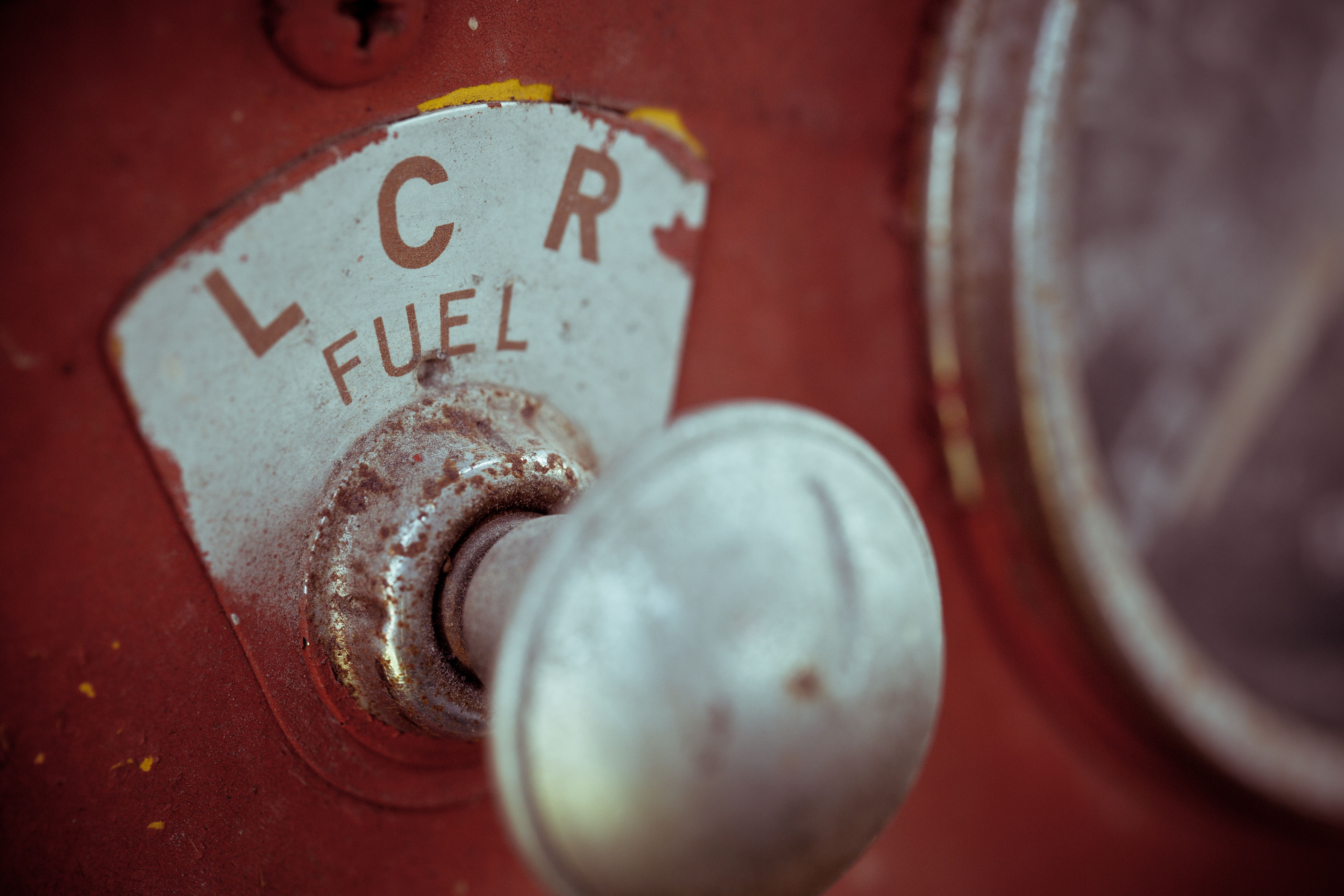
This document outlines the Fuel Consumption Analytics and Optimization solution developed by Gelectric. The primary objective of this solution is to bridge the gap between unstructured vessel reporting and actionable fuel intelligence. By automating the extraction of fuel data from Noon Reports and technical logs, we enable ship owners and charterers to monitor performance in real-time, optimize bunker usage, and ensure environmental compliance.
Fuel oil consumption represents the largest operational expense for marine vessels, often accounting for 50–60% of total operating costs. Traditionally, this data is trapped in manual "Noon Reports," handwritten logs, or disparate Excel files. These manual processes are not only labor-intensive but are also prone to reporting lags and human error, making it difficult for the head office to gain a transparent view of fleet-wide energy efficiency.
The primary challenges identified in current fuel monitoring processes include:
Receive our monthly maritime intelligence report directly in your inbox.
Expand your knowledge with these recent publications.

A typical shore-side superintendent or fleet operations director manages anywhere from 5 to 15 vessels. On any given morning, keeping track of those vessels requires navigating a dense ecosystem of single-purpose software tools: an Alarm...
The primary objectives of this solution:
To address the identified problems, Gelectric integrates an automated data pipeline that involves:
Following the activation of the Data Catcher, the system provides a continuous stream of structured intelligence. Authorized personnel can access:
The Gelectric Automated Data Catcher transforms fuel monitoring from a clerical burden into a strategic advantage. By unlocking the data already present in vessel reports, we provide the transparency needed to reduce fuel costs, ensure regulatory compliance, and lower the carbon footprint of the fleet. The transition from reactive data entry to proactive fuel management is no longer an option but a necessity in the modern maritime landscape.
To learn more or request demo:
Vessels generate a continuous stream of operational and technical information, from condition-monitoring data and machinery trends to performance indicators, maintenance records, alarms, and daily reports. All of this data can provide...
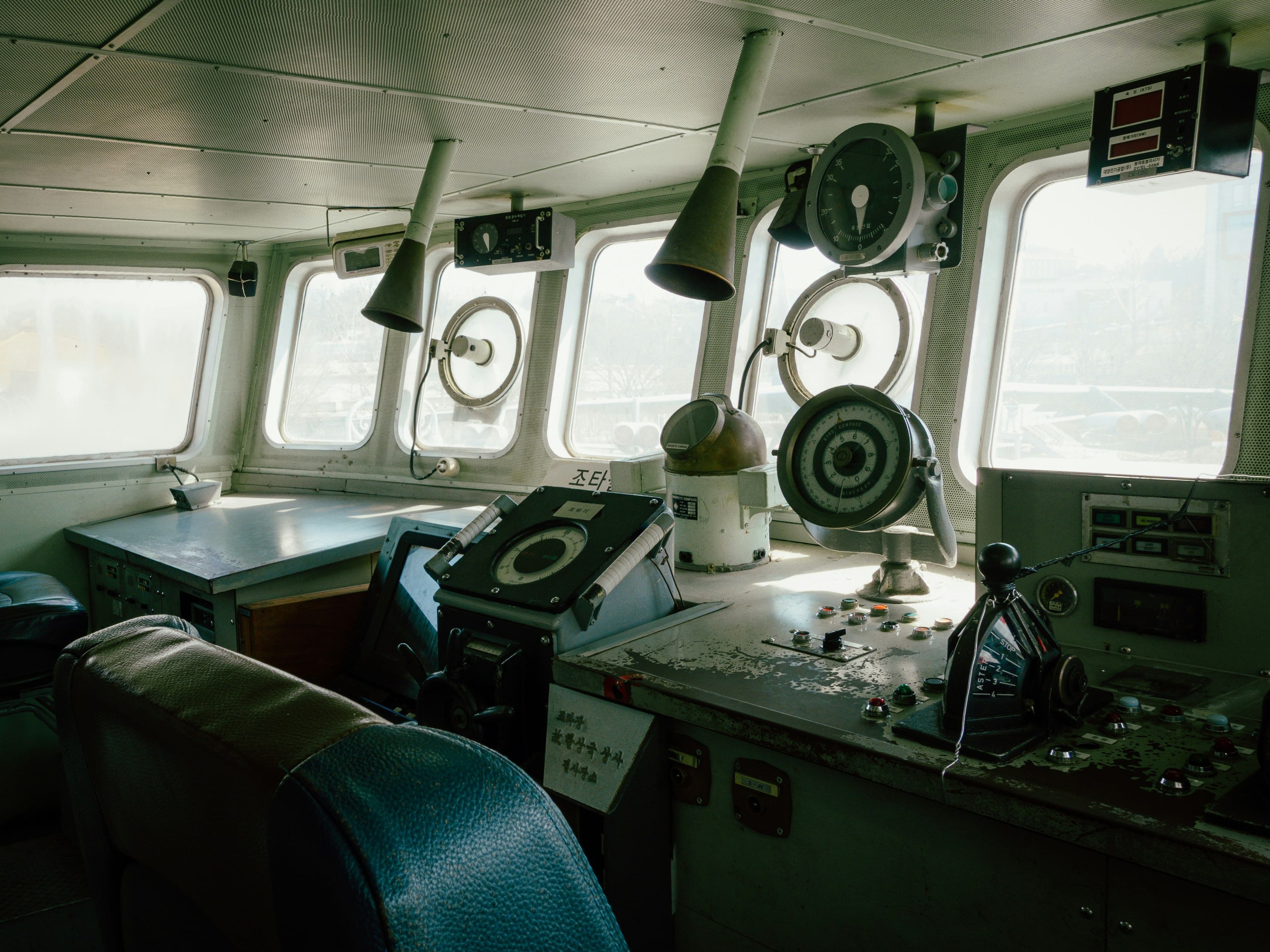
Finding a simple answer from all those collected data can still mean navigating multiple dashboards, reviewing complicated graphs, or searching through pages of reports. Gelectric’s new Chat with Your Vessel feature introduces a simpler way...