Loading article

Cookie preferences
We use strictly necessary storage for site operation and optional categories for experience, measurement, and marketing. Choose what Gelectric can use, and update it any time from Cookie Settings in the footer.
Cookie preferences
We use strictly necessary storage for site operation and optional categories for experience, measurement, and marketing. Choose what Gelectric can use, and update it any time from Cookie Settings in the footer.
Gelectric Editorial Team
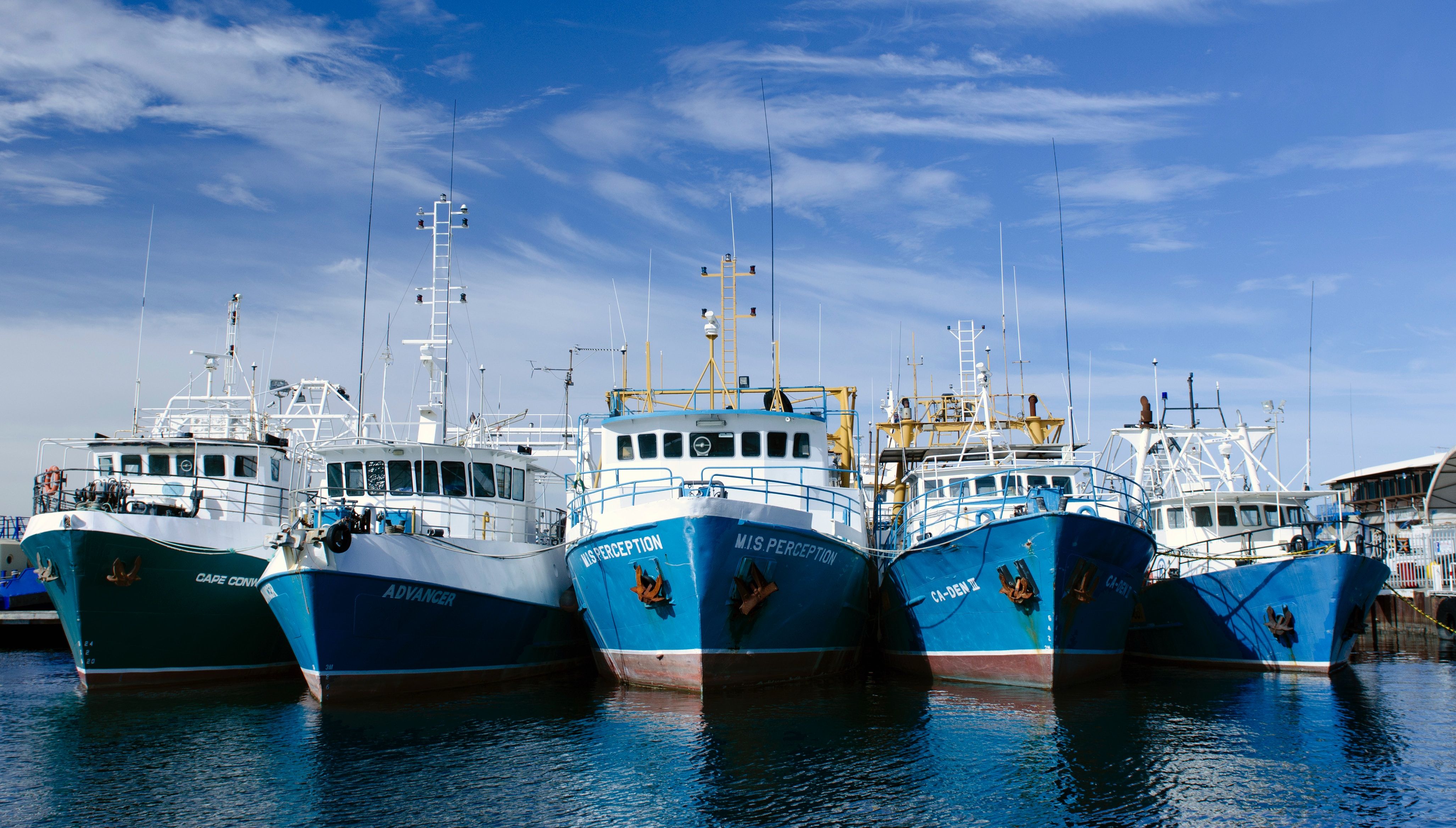
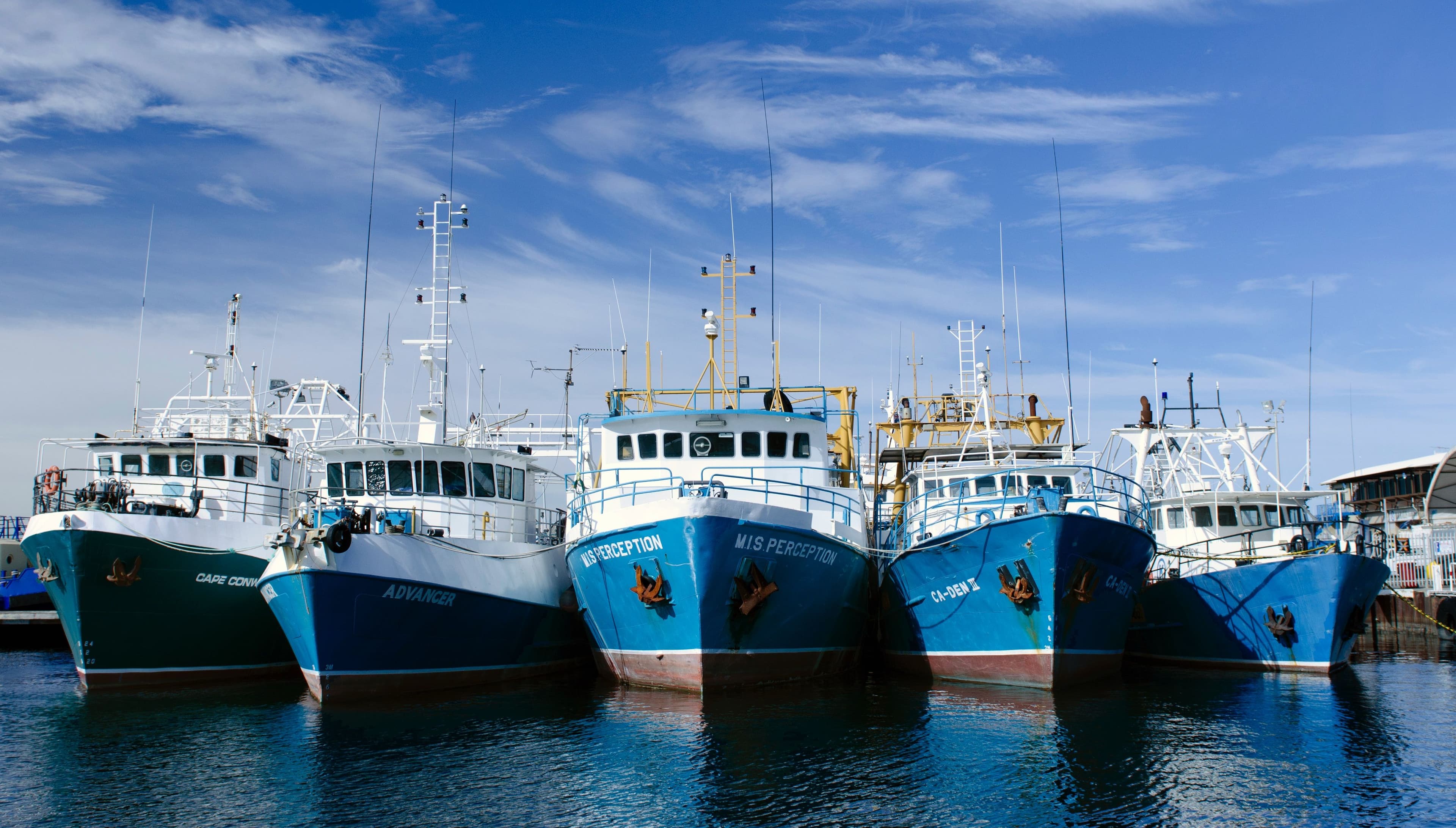
This document outlines the Voyage and Fleet Comparison Analysis solution developed by Gelectric. The primary objective of this solution is to provide a standardized framework for evaluating vessel performance across different routes, crews, and timeframes. By utilizing the Automated Data Catcher to normalize unstructured data, we enable ship owners to perform "apples-to-apples" comparisons, identifying why certain voyages or vessels consistently outperform others.
Maritime operators often manage a diverse fleet of sister ships and chartered vessels. While these ships may have identical technical specifications, their actual performance varies significantly due to factors like weather, hull fouling, and crew behavior. Traditionally, comparing two different voyages or two different vessels is a manual, labor-intensive task because the data is trapped in separate voyage reports or varied Excel templates. Without a structured way to normalize this data, fleet managers cannot identify the root causes of inefficiency.
The primary challenges in fleet-wide comparison analysis include:
Receive our monthly maritime intelligence report directly in your inbox.
Expand your knowledge with these recent publications.
A typical shore-side superintendent or fleet operations director manages anywhere from 5 to 15 vessels. On any given morning, keeping track of those vessels requires navigating a dense ecosystem of single-purpose software tools: an Alarm...
The primary objectives of this solution:
To address these challenges, Gelectric’s solution focuses on "Data Normalization", the process of making different datasets comparable:
Following the activation of the Automated Data Catcher, the operations team can access:
The Gelectric Automated Data Catcher turns a fleet’s historical records into a powerful competitive advantage. By moving from isolated reports to a unified comparison engine, we provide the clarity needed to make data-driven decisions on everything from maintenance to chartering strategies. Understanding why one vessel is more efficient than another is no longer a guessing game, it is a measurable reality.
To learn more or request demo:
Vessels generate a continuous stream of operational and technical information, from condition-monitoring data and machinery trends to performance indicators, maintenance records, alarms, and daily reports. All of this data can provide...
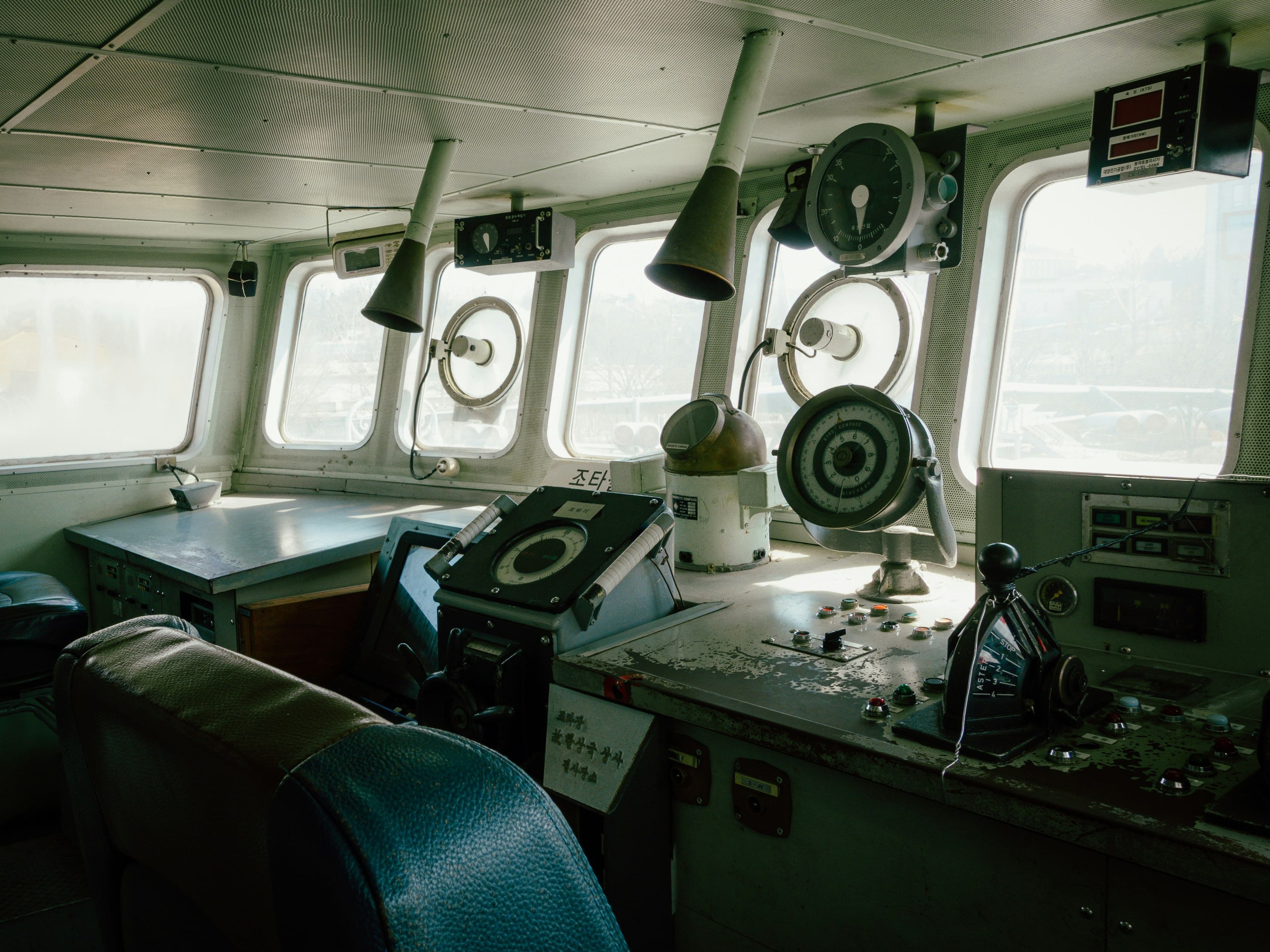
Finding a simple answer from all those collected data can still mean navigating multiple dashboards, reviewing complicated graphs, or searching through pages of reports. Gelectric’s new Chat with Your Vessel feature introduces a simpler way...