Loading article

Cookie preferences
We use strictly necessary storage for site operation and optional categories for experience, measurement, and marketing. Choose what Gelectric can use, and update it any time from Cookie Settings in the footer.
Cookie preferences
We use strictly necessary storage for site operation and optional categories for experience, measurement, and marketing. Choose what Gelectric can use, and update it any time from Cookie Settings in the footer.
Gelectric Editorial Team
The maritime industry is evolving fast. As shipowners and fleet managers, you face growing challenges in efficiency, safety, and compliance. Luckily, artificial intelligence (AI) is stepping in to transform how you operate. By harnessing maritime data integration, you can unlock smarter decisions and smoother workflows. In this post, I’ll walk you through how AI solutions are revolutionizing maritime operations and how you can benefit from them today.
Data is everywhere on your ships and in your fleet. Sensors, navigation systems, weather reports, maintenance logs, and crew schedules all generate valuable information. But this data often lives in silos, making it hard to use effectively.
Maritime data integration means bringing all this information together into one platform. When you integrate data streams, you get a complete picture of your fleet’s status and performance. This unified view helps you:
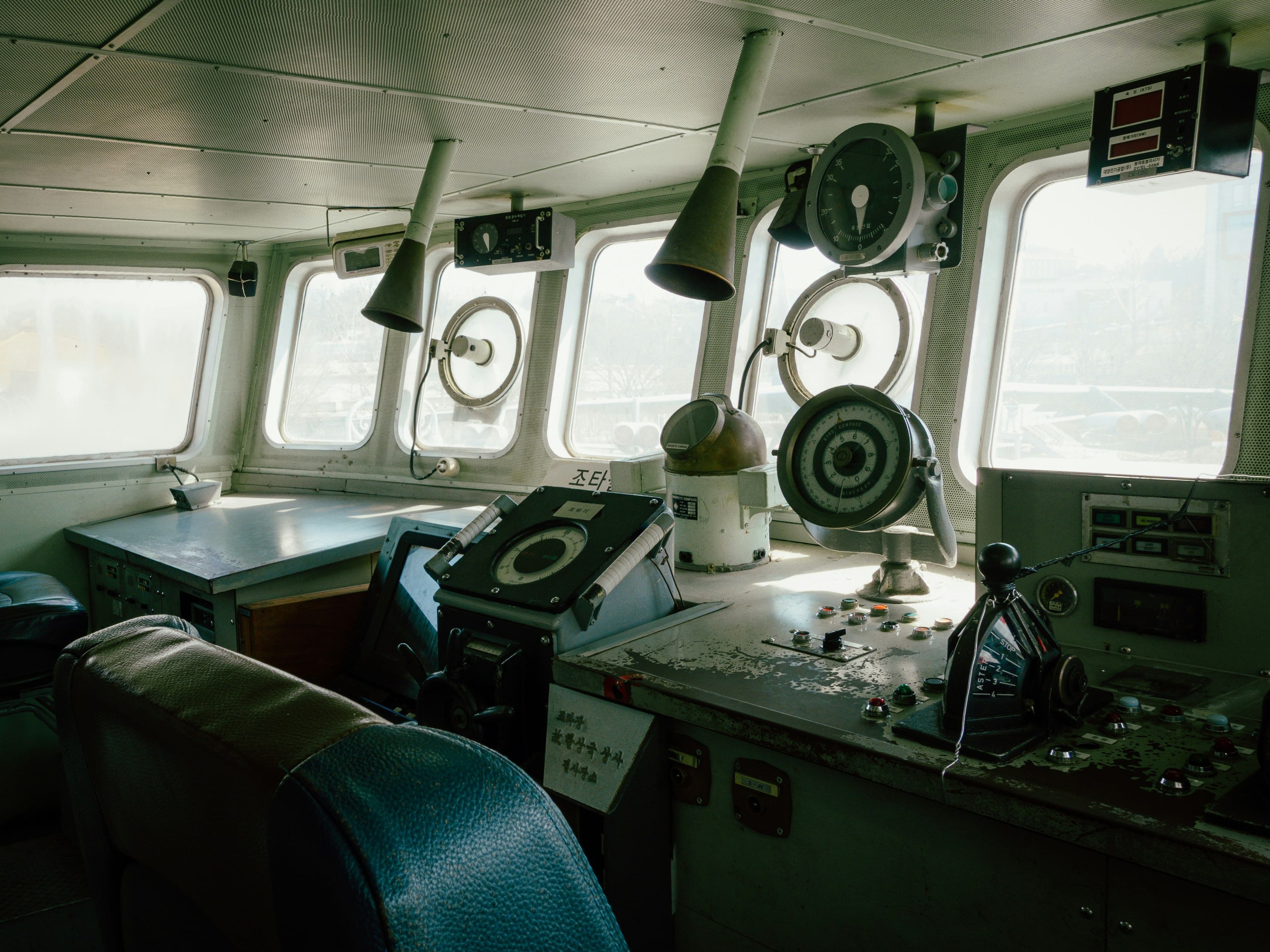
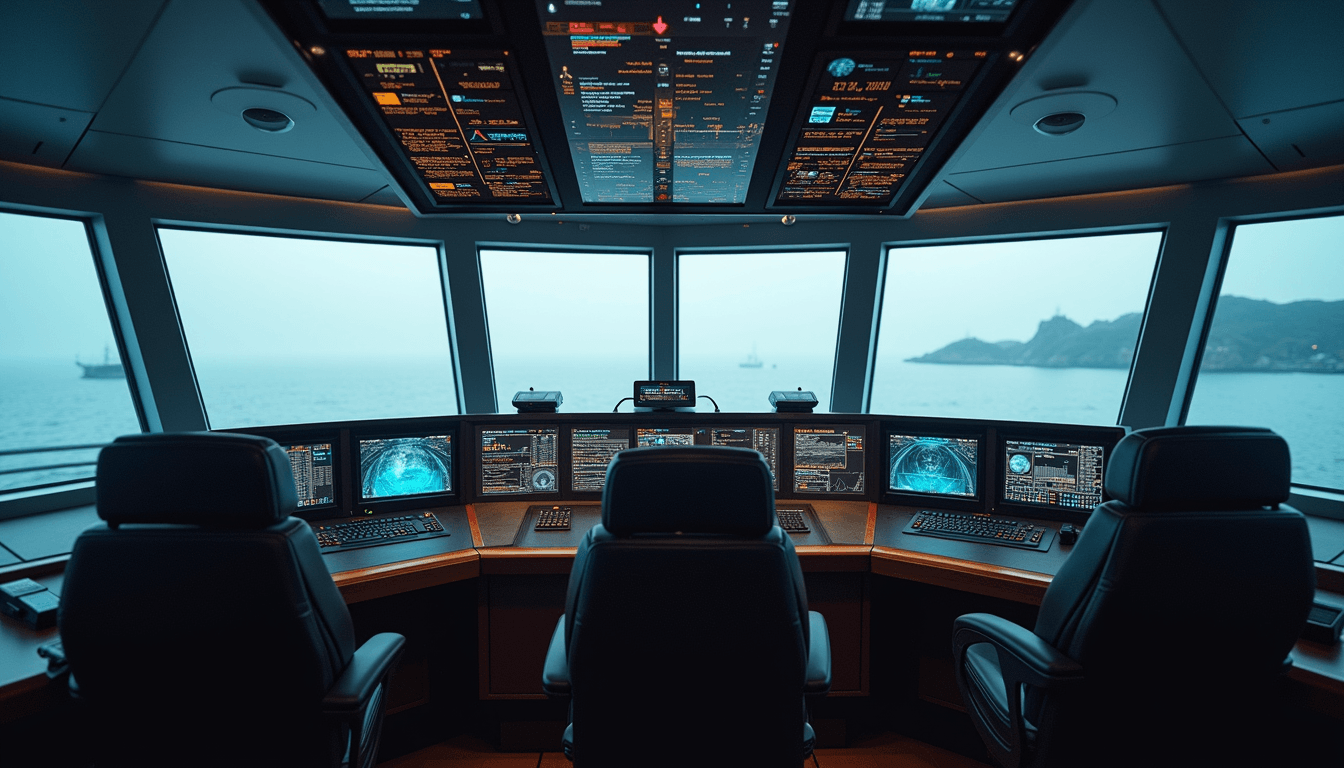 Ship’s bridge showing integrated maritime data systems
Once your data is integrated, AI can analyze it in real time. Here’s how AI adds value:
Receive our monthly maritime intelligence report directly in your inbox.
Expand your knowledge with these recent publications.
A typical shore-side superintendent or fleet operations director manages anywhere from 5 to 15 vessels. On any given morning, keeping track of those vessels requires navigating a dense ecosystem of single-purpose software tools: an Alarm...
Let’s look at some real-world examples of AI in action:
AI analyzes engine performance and weather data to optimize fuel use. Some fleets have cut fuel consumption by up to 15% using AI-driven recommendations. 2. Cargo Load Optimization
AI models help plan cargo loading to balance weight and maximize space. This improves stability and reduces fuel costs. 3. Automated Vessel Monitoring
AI-powered systems track vessel location, speed, and condition 24/7. Alerts notify you of deviations or potential mechanical issues immediately. 4. Crew Performance and Safety
AI tools monitor crew activity and fatigue levels. They suggest rest periods and training needs to enhance safety and productivity. 5. Port Operations
AI predicts berth availability and optimizes docking schedules, reducing waiting times and port congestion. These examples show how AI can touch every part of your maritime operations, making them more efficient and reliable.
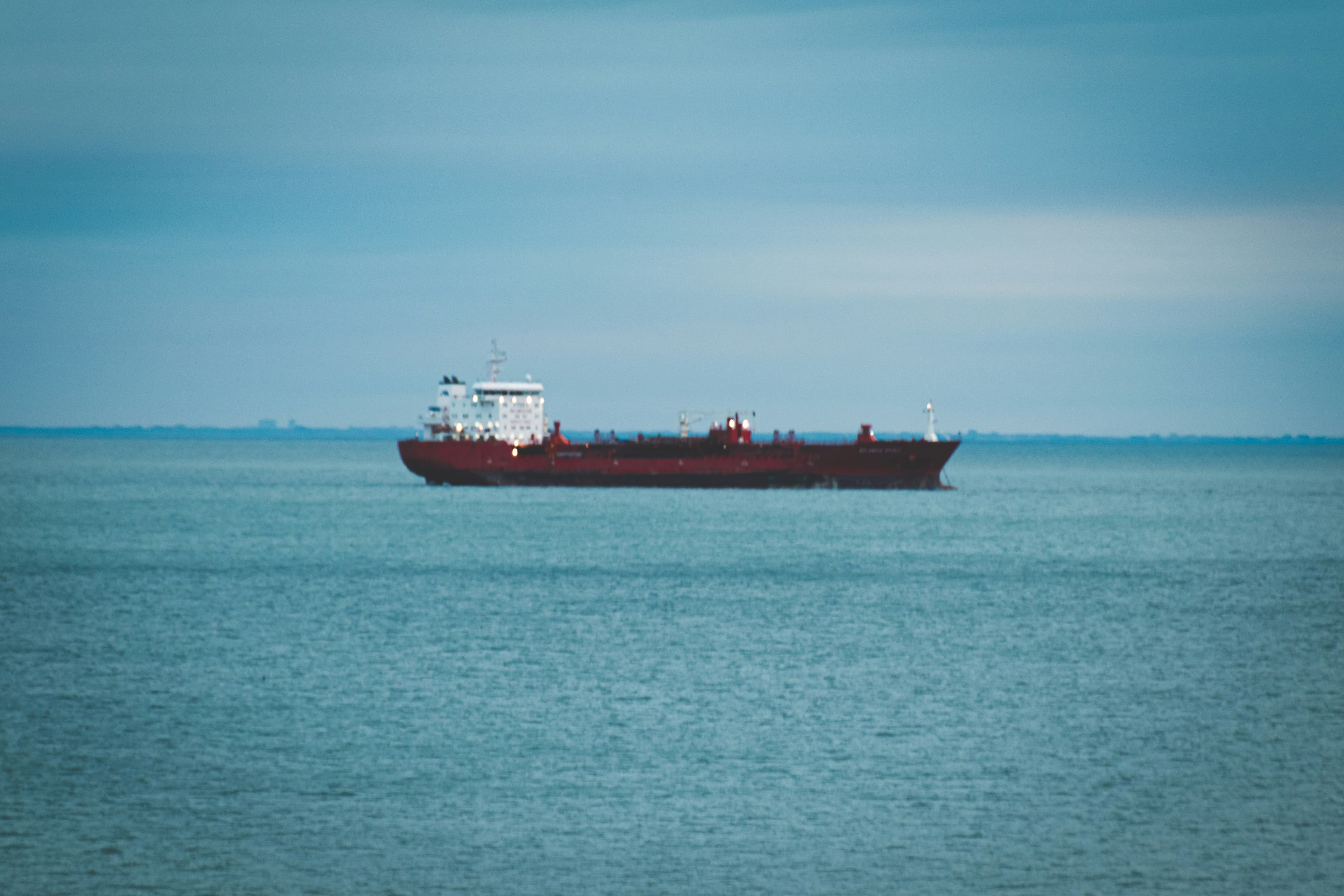
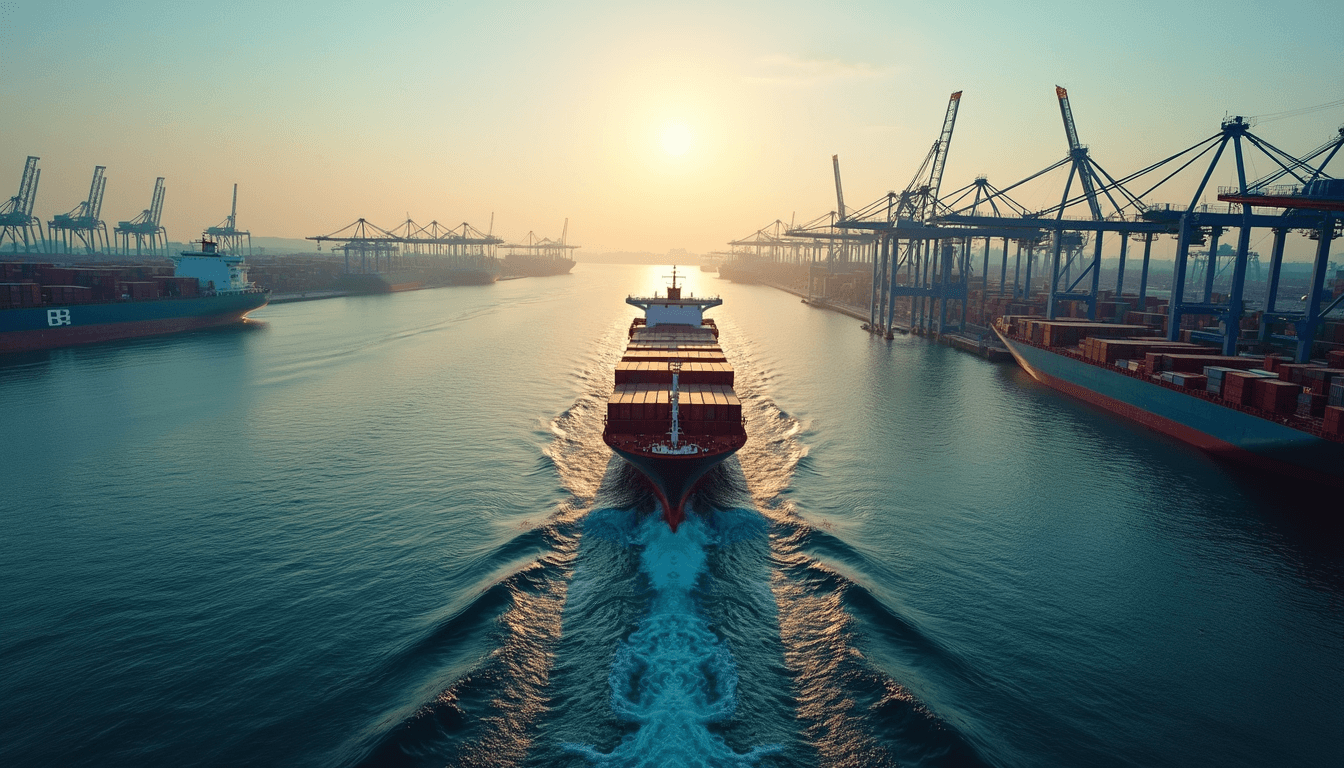 Cargo ship navigating port with AI-assisted scheduling
Adopting AI might seem daunting, but you can start small and scale up. Here’s a simple roadmap:
Identify what data you currently collect and where it’s stored. Look for gaps or quality issues. 2. Integrate Your Data
Use platforms that consolidate data from different sources into one dashboard. This is the foundation for AI. 3. Choose AI Solutions
Start with AI tools that address your biggest pain points, like predictive maintenance or route optimization. 4. Train Your Team
Ensure your crew and managers understand how to use AI insights effectively. 5. Measure and Improve
Track key performance indicators (KPIs) to see the impact of AI. Adjust your approach based on results. By following these steps, you can gradually transform your fleet into a smart, data-driven operation.
The future looks bright for maritime operations powered by AI. Emerging technologies like autonomous ships, advanced robotics, and enhanced environmental monitoring will further boost efficiency and safety.
As AI continues to evolve, you’ll gain even deeper insights from your data. This will help you:
For those ready to take the next step, exploring maritime operations ai solutions can provide tailored tools and expert support to accelerate your digital transformation.
In the end, the key to success lies in turning your existing data into smart, actionable insights. AI combined with maritime data integration makes this possible. It empowers you to run your fleet more efficiently, safely, and profitably.
By investing in these technologies now, you position your operations for long-term growth and resilience. The sea is changing, and with AI, you can navigate it with confidence.
I hope this post helps you understand the power of AI in maritime operations. If you want to learn more or discuss how to implement these solutions, feel free to reach out. Together, we can chart a smarter course for your fleet.
Vessels generate a continuous stream of operational and technical information, from condition-monitoring data and machinery trends to performance indicators, maintenance records, alarms, and daily reports. All of this data can provide...
Finding a simple answer from all those collected data can still mean navigating multiple dashboards, reviewing complicated graphs, or searching through pages of reports. Gelectric’s new Chat with Your Vessel feature introduces a simpler way...