Loading article
Cookie preferences
We use strictly necessary storage for site operation and optional categories for experience, measurement, and marketing. Choose what Gelectric can use, and update it any time from Cookie Settings in the footer.
Cookie preferences
We use strictly necessary storage for site operation and optional categories for experience, measurement, and marketing. Choose what Gelectric can use, and update it any time from Cookie Settings in the footer.
Gelectric Editorial Team
In today’s fast-paced maritime industry, staying ahead means embracing innovation. Artificial intelligence (AI) is no longer a futuristic concept; it’s a practical tool that can transform your fleet’s operations. By integrating AI solutions, you can boost efficiency, cut costs, and ensure compliance with evolving regulations. Let me guide you through how maritime AI strategies can reshape your operations and deliver real results.
Maritime operations involve complex logistics, strict regulations, and high operational costs. Traditional methods often fall short in handling these challenges efficiently. This is where maritime AI strategies come in. They help you:
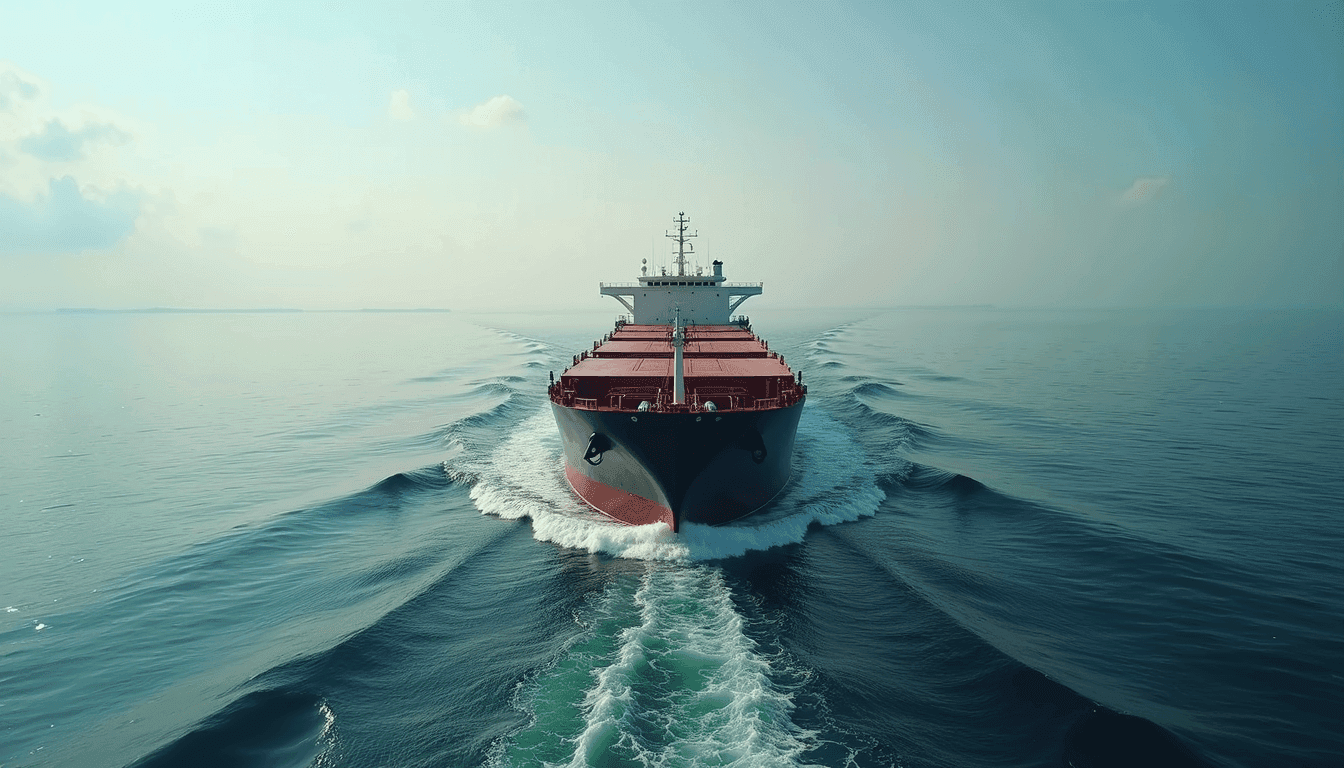
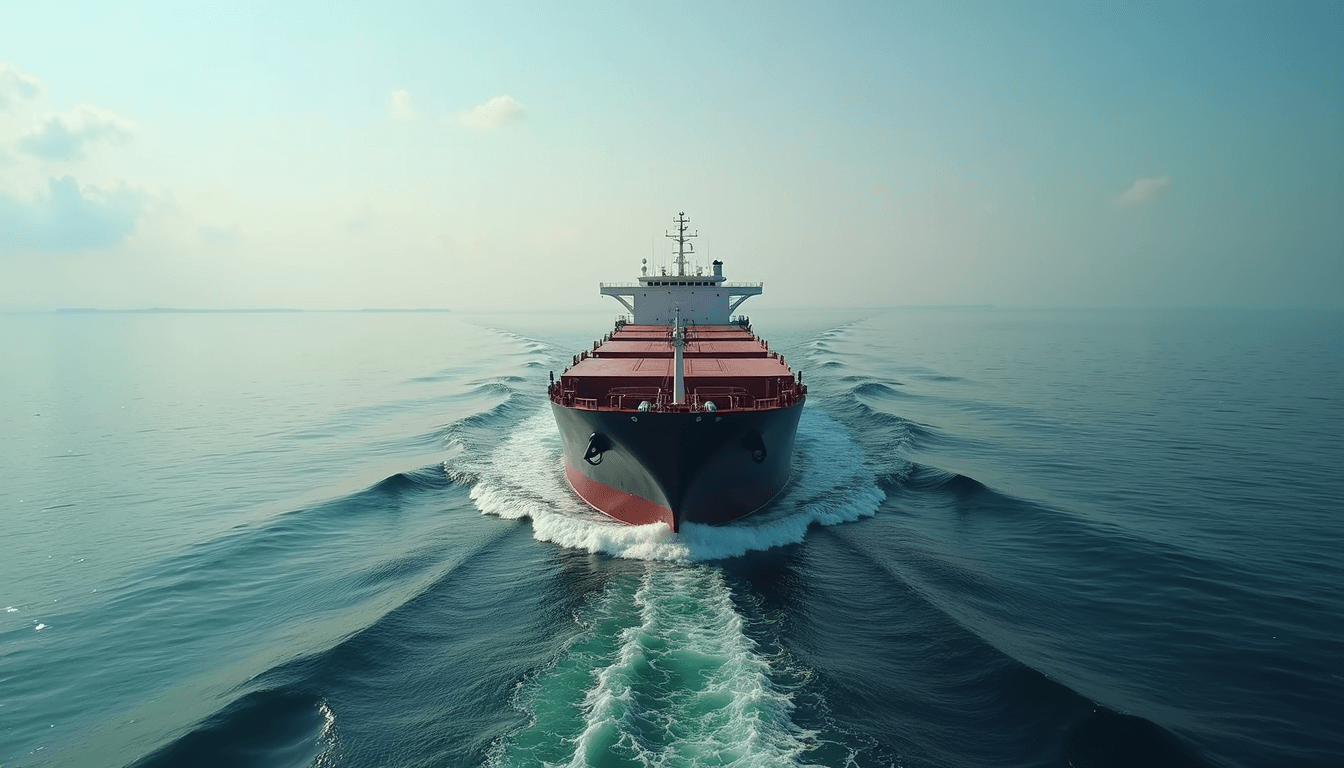 Cargo ship navigating with AI-optimized route
Adopting AI in maritime operations requires a clear plan. Here’s how you can start:
Receive our monthly maritime intelligence report directly in your inbox.
Expand your knowledge with these recent publications.
A typical shore-side superintendent or fleet operations director manages anywhere from 5 to 15 vessels. On any given morning, keeping track of those vessels requires navigating a dense ecosystem of single-purpose software tools: an Alarm...
Your fleet already generates valuable data from sensors, logs, and navigation systems. Identify what data you have and how it can be used. 2. Choose the Right AI Tools
Look for AI solutions tailored to maritime needs. These tools should integrate smoothly with your existing systems. 3. Train Your Team
Ensure your crew and management understand how to use AI tools effectively. Training is key to maximizing benefits. 4. Start Small, Scale Fast
Begin with pilot projects like predictive maintenance on a few vessels. Measure results and expand once you see success. 5. Partner with Experts
Collaborate with companies specializing in maritime AI. For instance, gelectric offers smart solutions that turn your data into actionable insights, helping you improve efficiency and compliance. By following these steps, you can reduce operational risks and improve your fleet’s performance steadily.
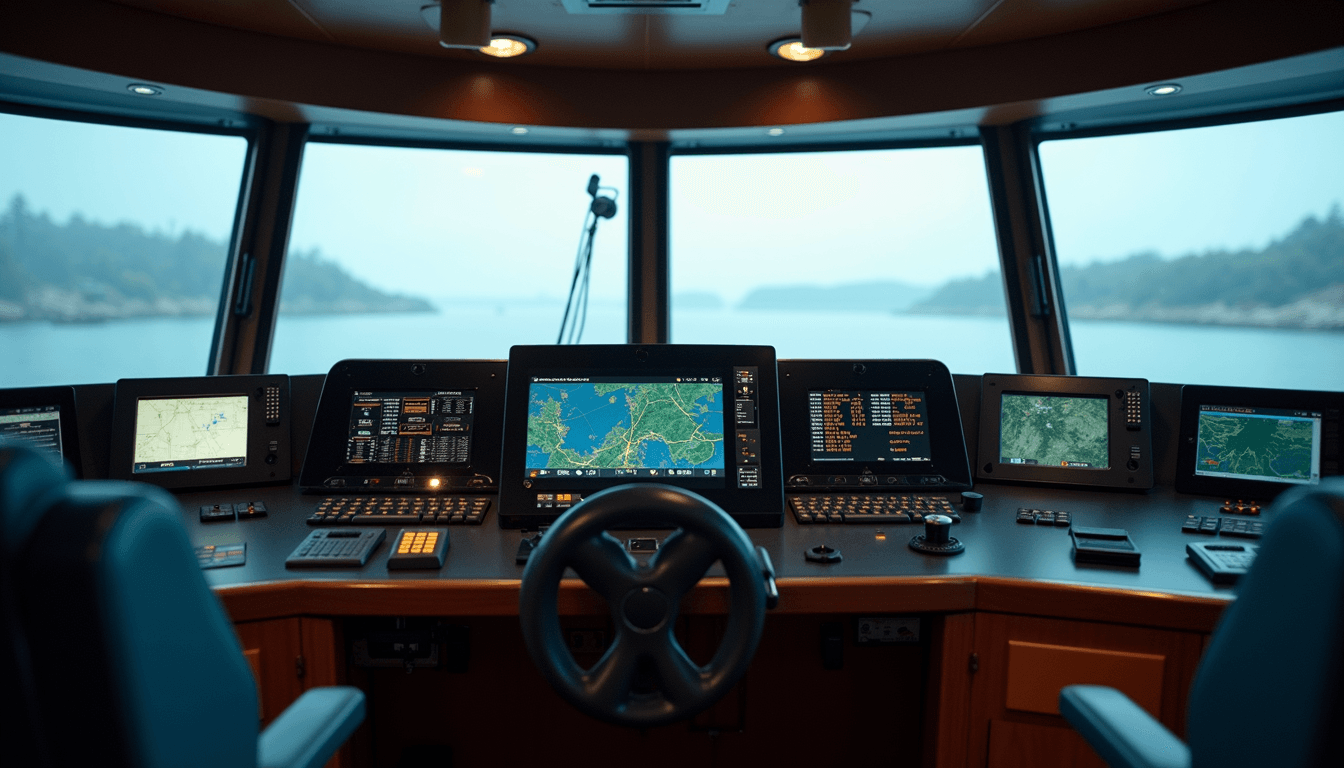 Ship’s bridge equipped with AI navigation systems
Several AI applications are making a significant impact in maritime operations. Here are the most effective ones:
Route Optimization AI analyzes weather, currents, and traffic to suggest the best routes. This reduces fuel use and arrival delays.
Predictive Maintenance Sensors monitor engine health and other critical systems. AI predicts failures, allowing timely repairs.
Fuel Efficiency Monitoring AI tracks fuel consumption patterns and recommends adjustments to save costs.
Compliance Monitoring Automated systems ensure your fleet meets environmental and safety regulations, reducing the risk of fines.
Cargo Management AI helps optimize loading and unloading processes, improving turnaround times.
Each of these applications contributes to smoother, safer, and more cost-effective maritime operations.
 Engine room with AI-powered monitoring sensors
While AI offers many benefits, adopting it in maritime operations comes with challenges:
Data Quality and Integration Poor data quality can limit AI effectiveness. Ensure your data is accurate and systems are compatible.
Cost of Implementation Initial investment can be high. However, the long-term savings and efficiency gains justify the expense.
Change Management Resistance from staff can slow adoption. Communicate benefits clearly and involve your team early.
Cybersecurity Risks Increased connectivity raises security concerns. Implement strong cybersecurity measures to protect your systems.
Addressing these challenges proactively will help you unlock the full potential of maritime AI strategies.
The future of maritime operations is smart, data-driven, and efficient. By embracing maritime AI strategies, you position your fleet to thrive in a competitive market. Start by evaluating your current operations and identifying areas where AI can add value. Partner with trusted providers like gelectric to access tailored solutions that fit your needs.
Remember, AI is not just technology; it’s a strategic advantage. Use it to reduce costs, improve safety, and stay compliant. The sooner you act, the faster you’ll see results.
Your fleet’s transformation starts now. Take the leap and harness the power of AI to navigate the future of maritime operations confidently.
Vessels generate a continuous stream of operational and technical information, from condition-monitoring data and machinery trends to performance indicators, maintenance records, alarms, and daily reports. All of this data can provide...
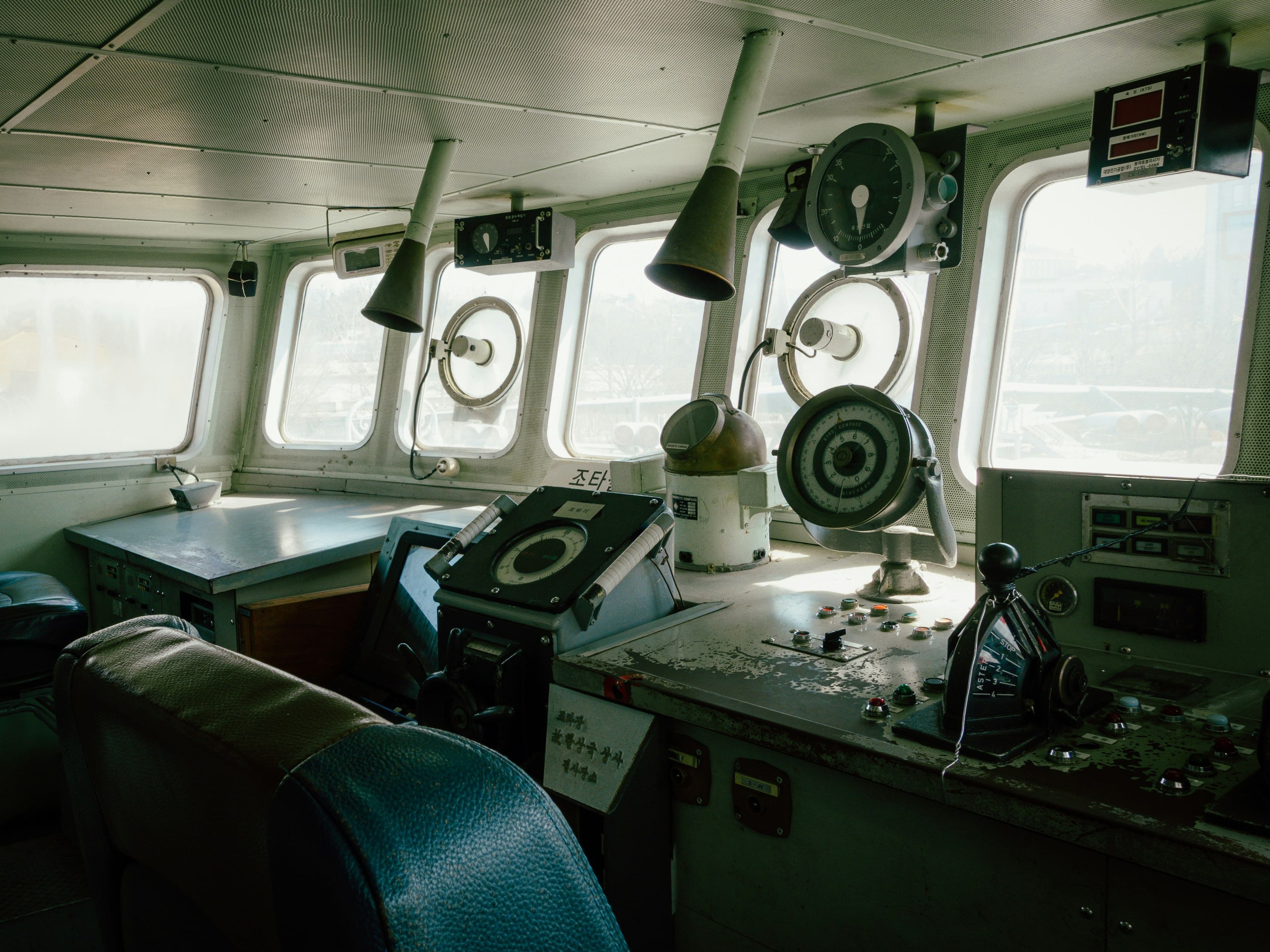
Finding a simple answer from all those collected data can still mean navigating multiple dashboards, reviewing complicated graphs, or searching through pages of reports. Gelectric’s new Chat with Your Vessel feature introduces a simpler way...