Loading article

Cookie preferences
We use strictly necessary storage for site operation and optional categories for experience, measurement, and marketing. Choose what Gelectric can use, and update it any time from Cookie Settings in the footer.
Cookie preferences
We use strictly necessary storage for site operation and optional categories for experience, measurement, and marketing. Choose what Gelectric can use, and update it any time from Cookie Settings in the footer.
Gelectric Editorial Team
Maritime safety is critical for protecting lives, cargo, and the environment. Today, artificial intelligence (AI) is transforming how fleets operate, making seas safer and more efficient. I want to share how maritime AI safety systems can help you reduce risks, improve decision-making, and stay ahead in a competitive industry.
Maritime operations face many challenges: unpredictable weather, human error, complex navigation, and regulatory demands. Traditional safety methods often rely on manual checks and reactive measures. AI changes this by offering proactive, data-driven solutions.
With maritime AI safety systems, you can:
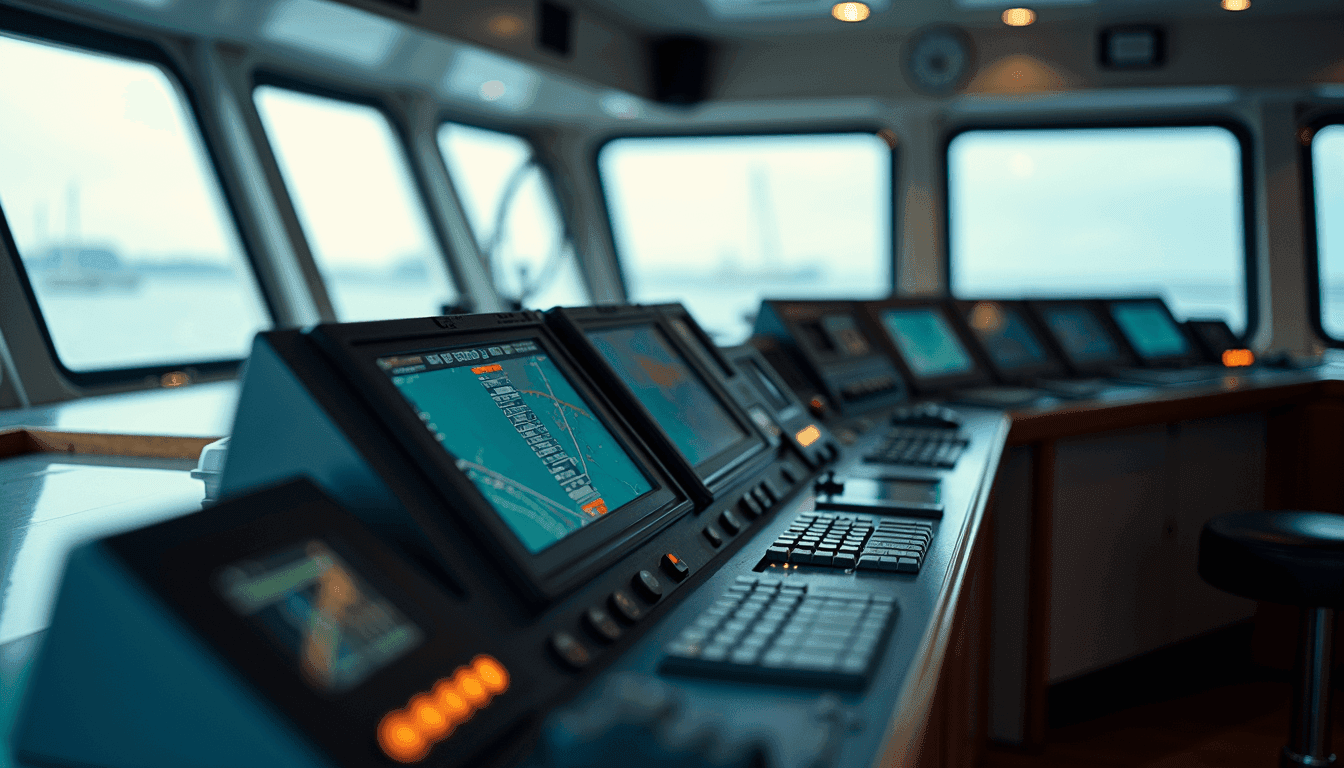
 Maritime AI safety system in action on a ship's bridge
Understanding the core features of maritime AI safety systems helps you see their value clearly. Here are some of the most impactful capabilities:
AI algorithms monitor sensor data continuously. They spot anomalies like sudden changes in engine performance or unexpected weather shifts. This early warning lets you act before problems escalate.
Receive our monthly maritime intelligence report directly in your inbox.
Expand your knowledge with these recent publications.
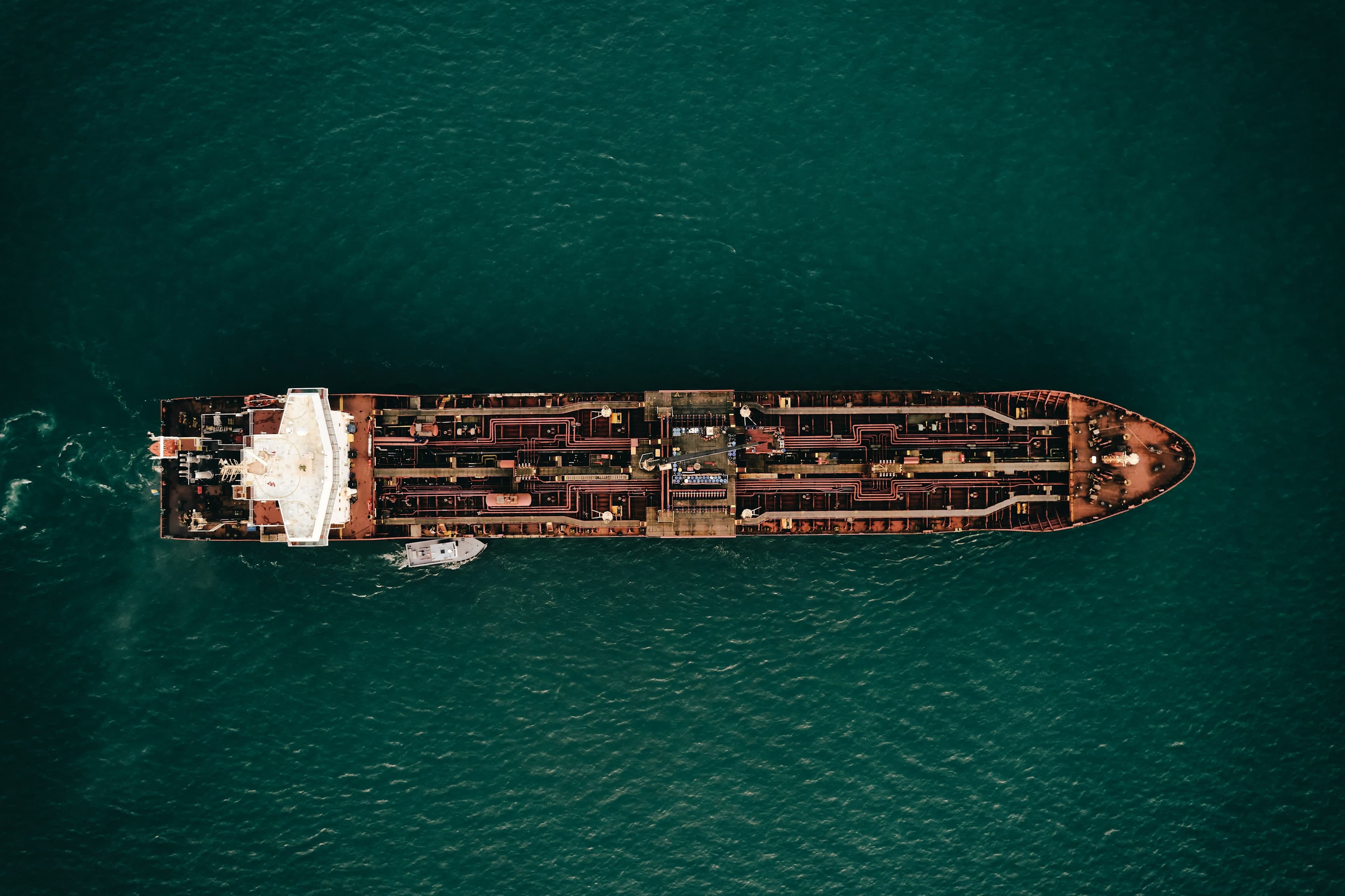
A typical shore-side superintendent or fleet operations director manages anywhere from 5 to 15 vessels. On any given morning, keeping track of those vessels requires navigating a dense ecosystem of single-purpose software tools: an Alarm...
Instead of waiting for equipment to fail, AI predicts when parts need servicing. This reduces costly breakdowns and extends the life of your assets.
Keeping up with maritime regulations is complex. AI systems track compliance automatically, alerting you to any gaps. This lowers the risk of fines and operational delays.
AI analyzes weather, currents, and traffic to suggest the safest and most fuel-efficient routes. This saves time and reduces environmental impact.
After an event, AI tools help analyze causes quickly. They generate detailed reports that support continuous improvement in safety protocols.
Adopting AI solutions requires a clear strategy. Here’s how you can get started and maximize benefits:
Ensure your vessels have the necessary sensors and data collection tools. Without quality data, AI cannot deliver accurate insights. 2. Choose the Right AI Partner
Work with a provider who understands maritime challenges and offers tailored solutions. For example, gelectric specializes in turning fleet data into smart, actionable insights. 3. Train Your Crew and Staff
AI tools are only as good as the people using them. Provide training to help your team interpret AI outputs and integrate them into daily operations. 4. Start Small and Scale Up
Pilot AI systems on a few vessels first. Measure results and refine processes before expanding fleet-wide. 5. Integrate with Existing Systems
Ensure AI solutions work seamlessly with your current navigation, maintenance, and compliance software.
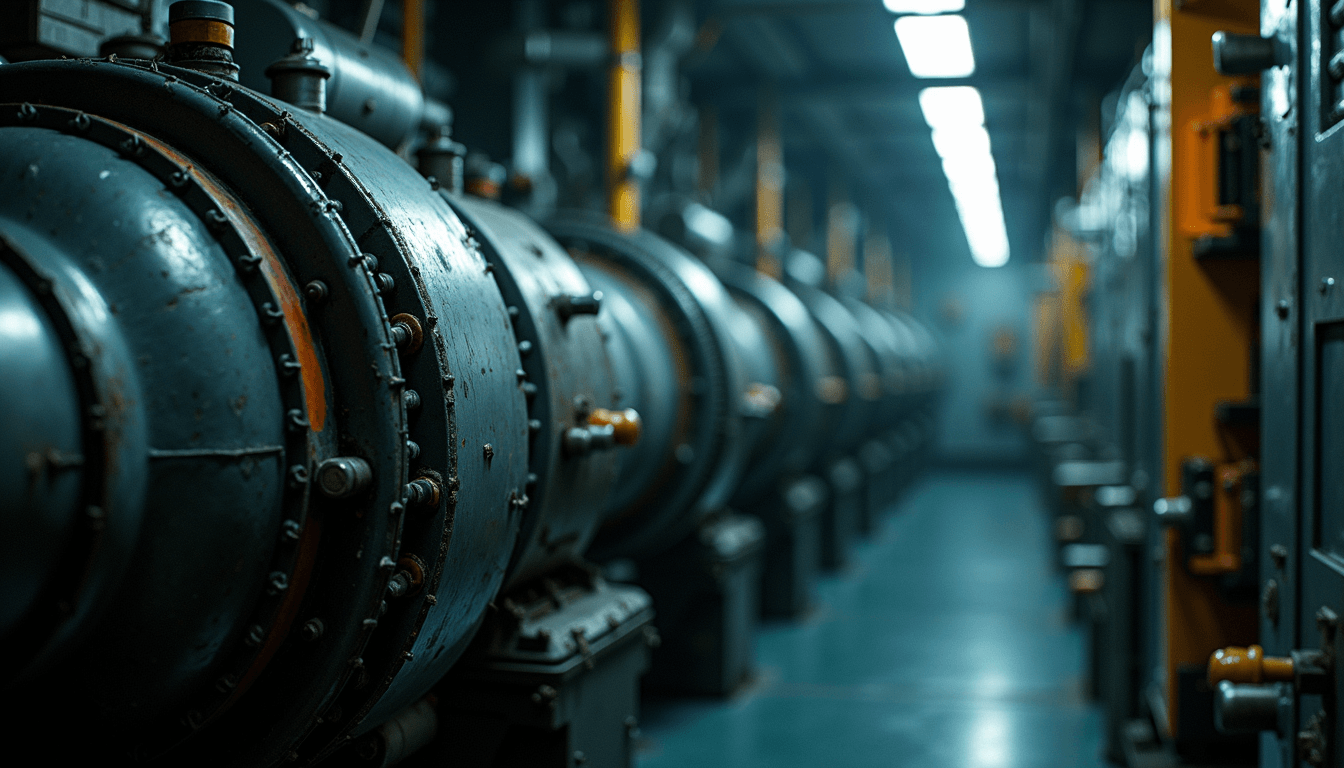 Sensors installed in a ship's engine room for AI monitoring
Implementing maritime AI safety systems delivers tangible improvements. Here are some examples:
Reduced Accident Rates Early hazard detection and better route planning lower collision and grounding incidents.
Lower Maintenance Costs Predictive maintenance cuts emergency repairs by up to 30%, saving money and downtime.
Improved Regulatory Compliance Automated monitoring helps avoid costly penalties and keeps your fleet audit-ready.
Enhanced Crew Safety AI alerts help crews avoid dangerous situations, improving morale and retention.
Fuel Savings and Emission Reductions Optimized routes reduce fuel consumption, supporting sustainability goals.
These benefits combine to boost your fleet’s operational efficiency and reputation.
The future of maritime safety is bright with AI innovations on the horizon. Here’s what to watch for:
Advanced Autonomous Vessels AI will enable more autonomous ships that can navigate safely with minimal human input.
Enhanced Cybersecurity AI will protect vessels from cyber threats, safeguarding critical systems.
Integrated Global Data Networks Fleets will share data in real-time across regions, improving situational awareness.
AI-Driven Training Simulators Virtual reality combined with AI will offer realistic safety training for crews.
Environmental Monitoring AI will help fleets comply with stricter environmental regulations by monitoring emissions and waste.
Staying informed about these trends will help you keep your fleet competitive and safe.
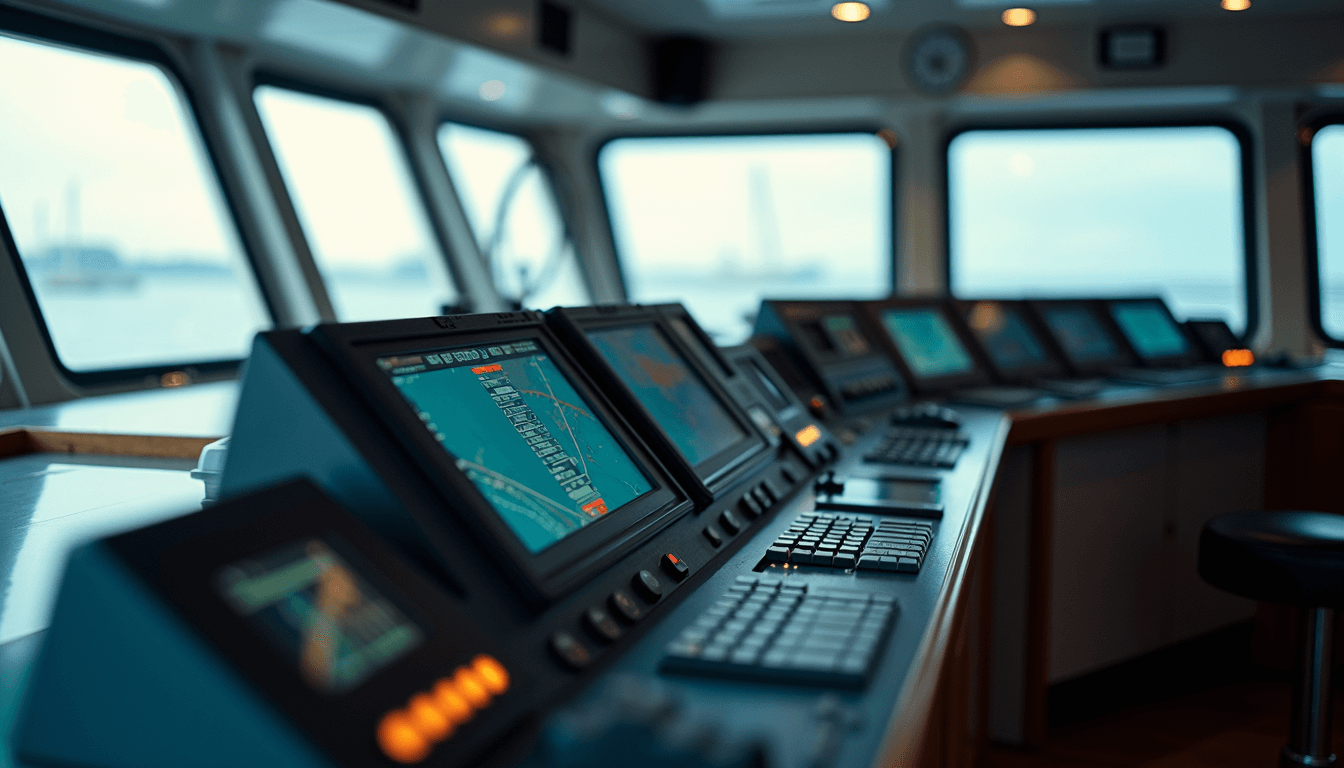
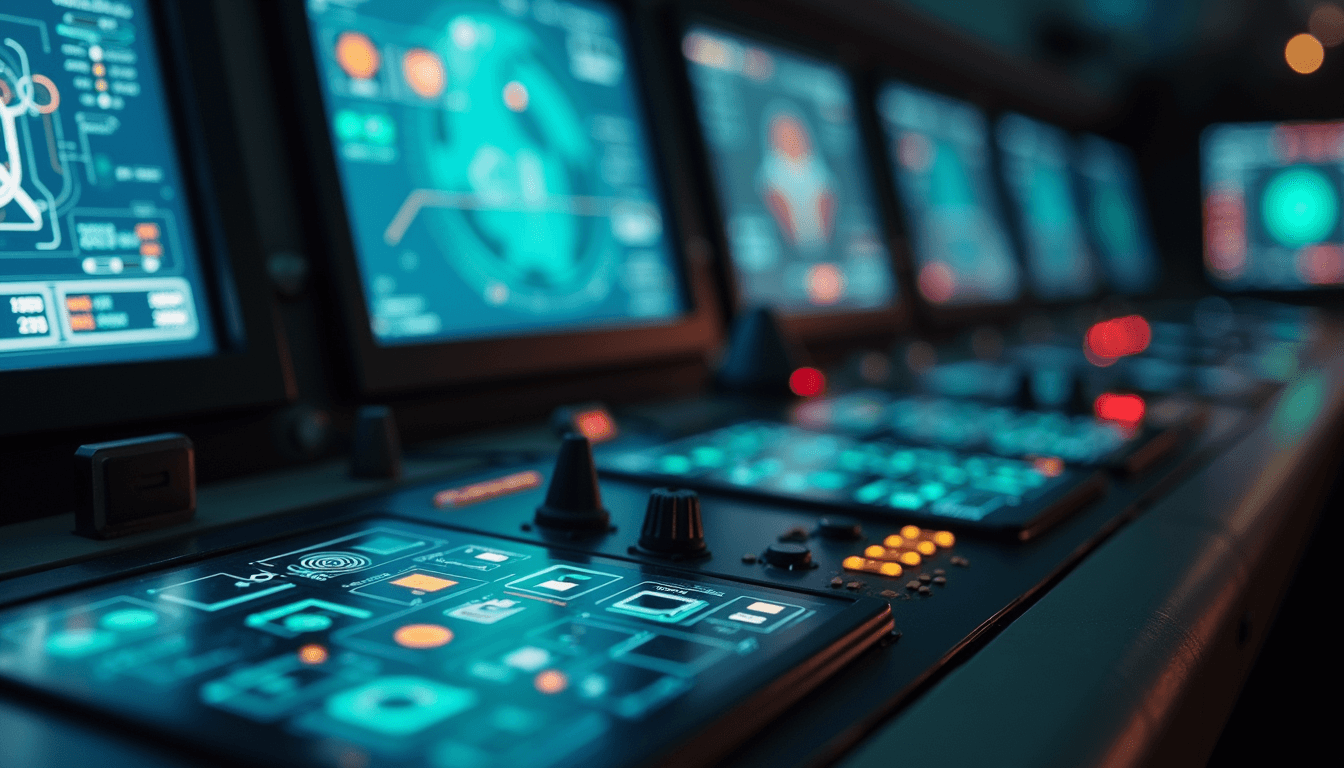 AI interface on a ship's radar control panel
Maritime AI safety systems are no longer optional. They are essential tools for modern fleets aiming to reduce risks and improve efficiency. By embracing AI, you gain a powerful ally in navigating the complexities of maritime operations.
Start by evaluating your current safety processes and data capabilities. Then, partner with experts who can guide you through implementation. Remember, the goal is to turn your existing data into smart, actionable insights that protect your crew, cargo, and environment.
Explore how gelectric can help you unlock the full potential of your fleet’s data. Together, you can build a safer, smarter maritime future.
Vessels generate a continuous stream of operational and technical information, from condition-monitoring data and machinery trends to performance indicators, maintenance records, alarms, and daily reports. All of this data can provide...
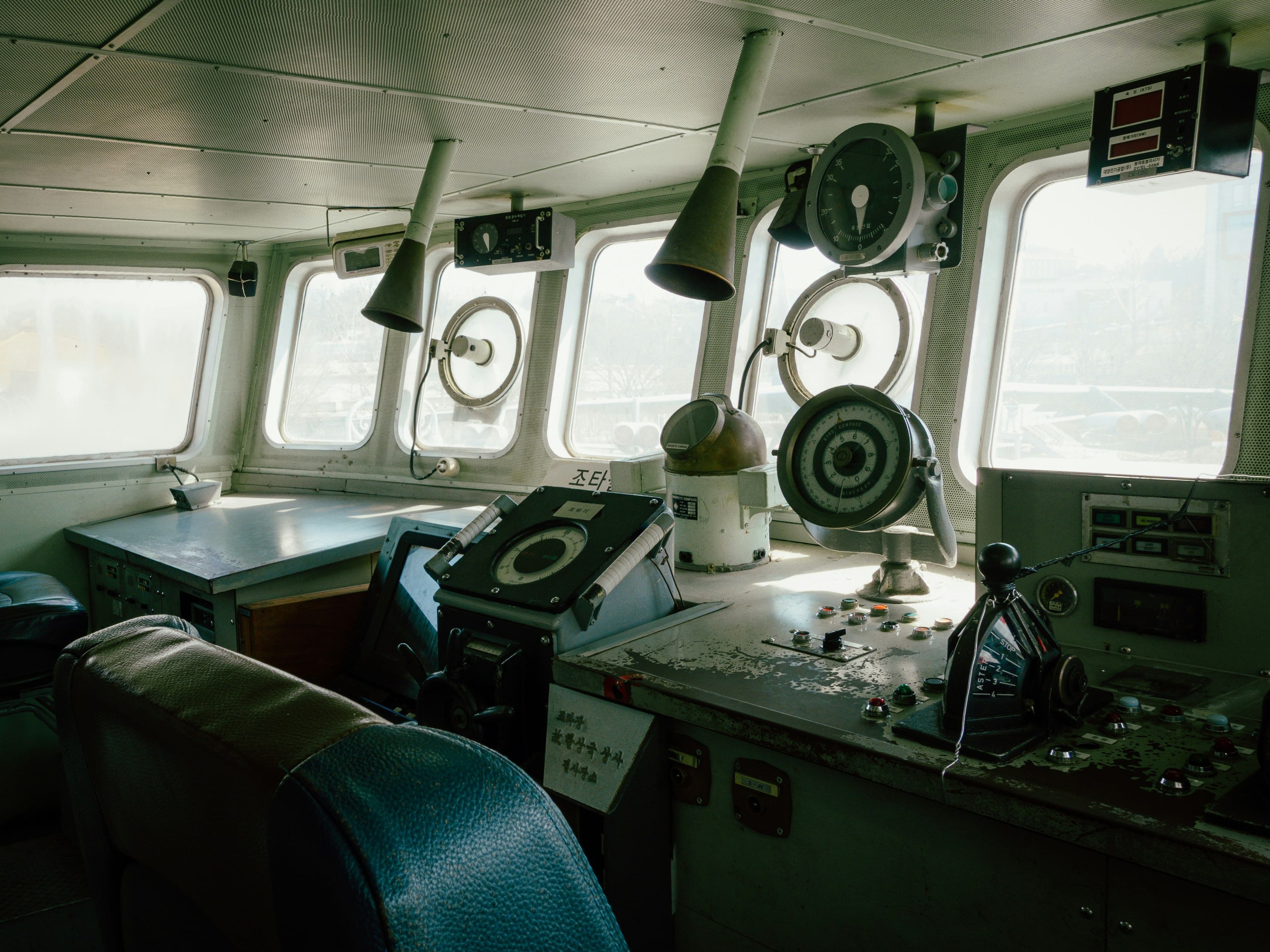
Finding a simple answer from all those collected data can still mean navigating multiple dashboards, reviewing complicated graphs, or searching through pages of reports. Gelectric’s new Chat with Your Vessel feature introduces a simpler way...