Loading article
Cookie preferences
We use strictly necessary storage for site operation and optional categories for experience, measurement, and marketing. Choose what Gelectric can use, and update it any time from Cookie Settings in the footer.
Cookie preferences
We use strictly necessary storage for site operation and optional categories for experience, measurement, and marketing. Choose what Gelectric can use, and update it any time from Cookie Settings in the footer.
Gelectric Editorial Team
Managing a fleet is no small task. Every day, you juggle countless details - from fuel consumption to crew performance, weather conditions to compliance checks. The right tools can make all the difference. That’s where maritime reporting software comes in. It streamlines your operations, turning raw data into clear, actionable insights. Today, I want to walk you through the key features that make this software indispensable for shipowners and fleet managers worldwide.
You need software that works as hard as you do. The best maritime reporting software features help you track, analyze, and report on every aspect of your fleet’s performance. This means better decision-making, improved safety, and reduced costs. Here’s what you should expect:
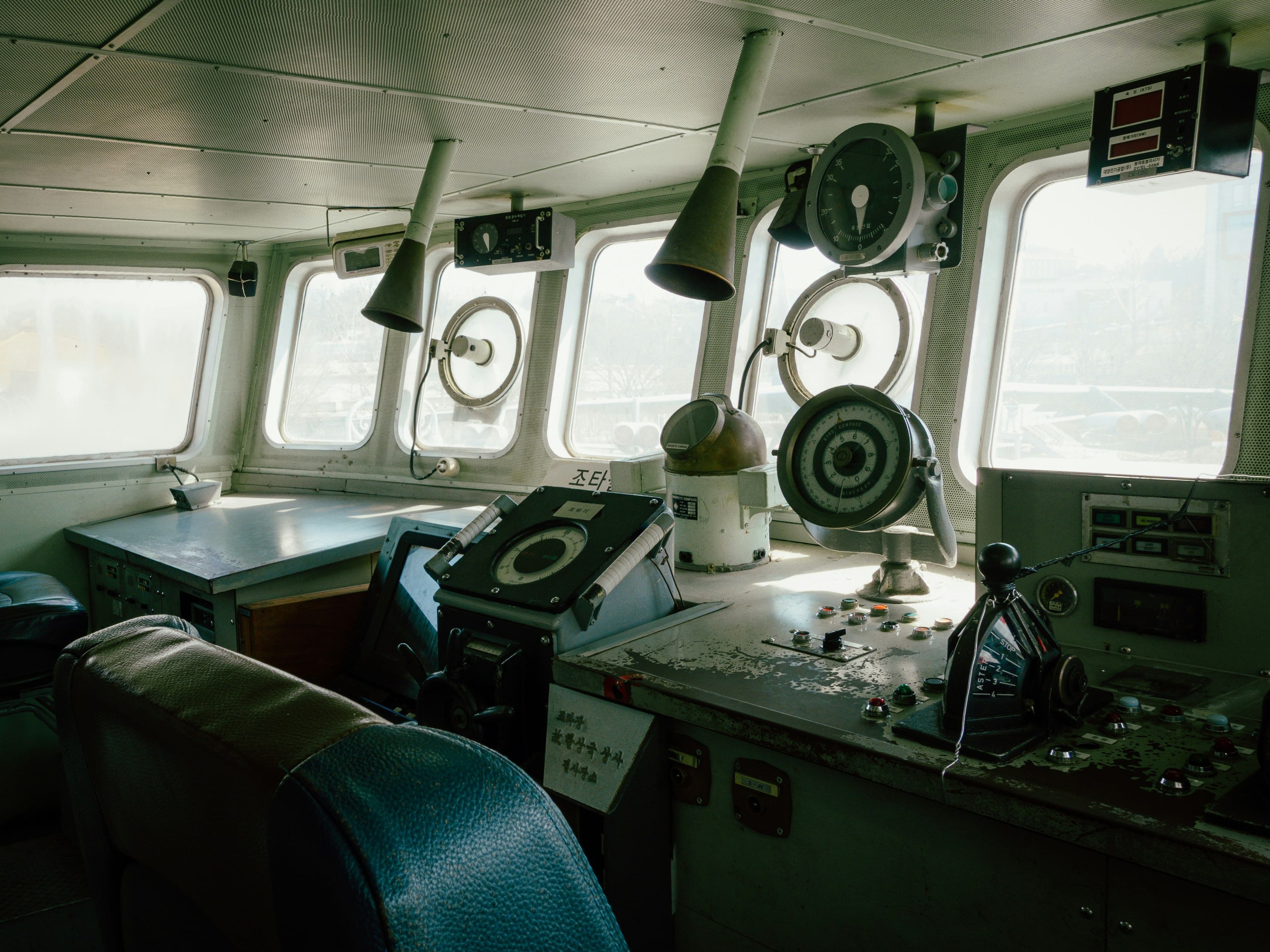
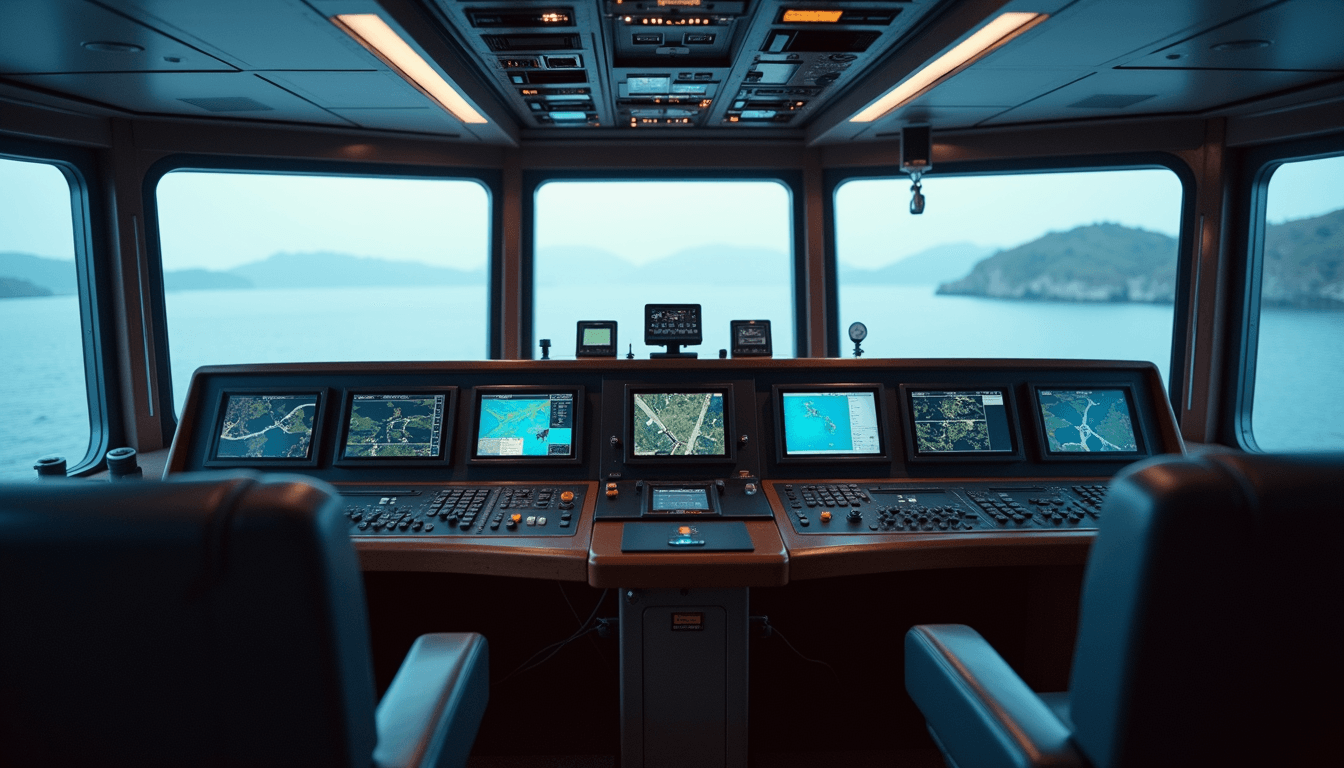 Ship’s bridge with digital navigation screens
Let’s dive deeper into the core features that make maritime reporting software a game-changer.
Receive our monthly maritime intelligence report directly in your inbox.
Expand your knowledge with these recent publications.
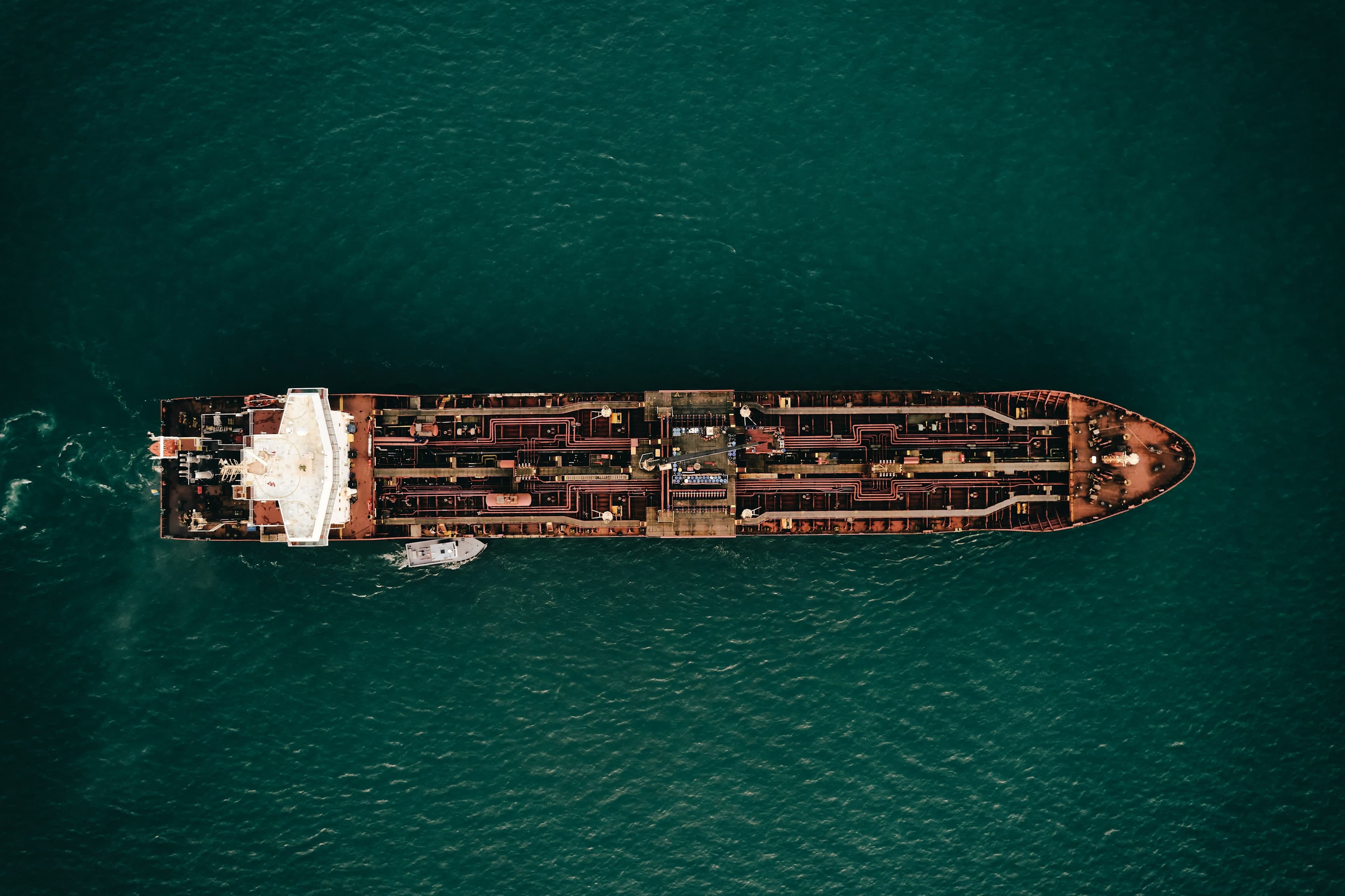
A typical shore-side superintendent or fleet operations director manages anywhere from 5 to 15 vessels. On any given morning, keeping track of those vessels requires navigating a dense ecosystem of single-purpose software tools: an Alarm...
Noon reports are a staple in maritime operations. They provide a snapshot of the ship’s status at midday, including position, weather, fuel consumption, and engine performance. Automating this process reduces errors and frees up your crew to focus on other tasks.
With automated noon reports, you can:
Fuel is one of the largest expenses for any fleet. Effective fuel monitoring helps you track consumption patterns and identify inefficiencies. The software can analyze data to suggest optimal speeds and routes, saving you money and reducing emissions.
Look for features like:
Regulations in the maritime industry are strict and constantly evolving. Your software should help you stay compliant without adding complexity. Features to look for include:
Your crew is your greatest asset. Tracking their performance and managing schedules efficiently improves morale and productivity. The software can provide:
Preventive maintenance keeps your fleet running smoothly and avoids costly breakdowns. The software should offer:
 Ship’s engine room with maintenance equipment
One standout tool in this space is digital noon reports software. It takes the traditional noon report and transforms it into a dynamic, digital process. This software collects data automatically from onboard systems, reducing manual input and errors.
Here’s how it benefits you:
Selecting the right maritime reporting software is crucial. Here are some tips to guide your decision:
The real power of maritime reporting software lies in turning data into insights. When you have accurate, timely information, you can:
Investing in maritime reporting software is investing in your fleet’s future. It’s about working smarter, not harder. By embracing these features, you gain control over your operations and unlock new efficiencies.
If you want to stay competitive and compliant while reducing costs, start exploring your options today. The right software will empower you to navigate the complexities of maritime operations with confidence and ease.
Remember, the goal is clear: boost operational efficiency, ensure compliance, and turn your existing data into smart, actionable insights. That’s how you keep your fleet sailing smoothly into the future.
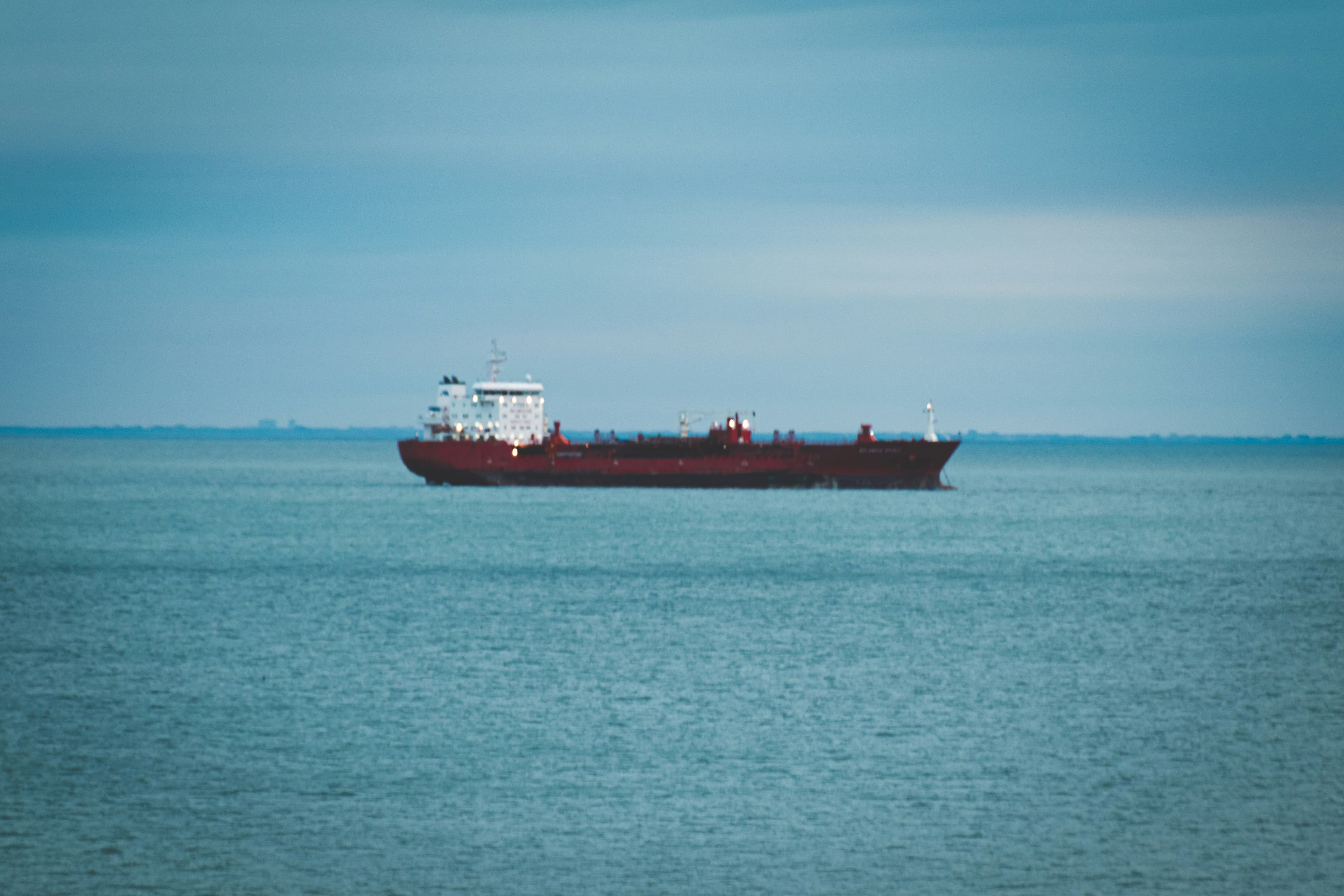
Vessels generate a continuous stream of operational and technical information, from condition-monitoring data and machinery trends to performance indicators, maintenance records, alarms, and daily reports. All of this data can provide...
Finding a simple answer from all those collected data can still mean navigating multiple dashboards, reviewing complicated graphs, or searching through pages of reports. Gelectric’s new Chat with Your Vessel feature introduces a simpler way...