Loading article
Cookie preferences
We use strictly necessary storage for site operation and optional categories for experience, measurement, and marketing. Choose what Gelectric can use, and update it any time from Cookie Settings in the footer.
Cookie preferences
We use strictly necessary storage for site operation and optional categories for experience, measurement, and marketing. Choose what Gelectric can use, and update it any time from Cookie Settings in the footer.
Gelectric Editorial Team
In the fast-paced world of maritime operations, staying ahead means embracing technology that simplifies and sharpens your workflow. One such innovation is the rise of digital maritime reporting tools. These tools transform how you collect, analyze, and act on critical ship data. They help you save time, reduce errors, and make smarter decisions that keep your fleet running smoothly.
Let me walk you through why these tools matter, how they work, and how you can leverage them to boost your fleet’s performance.
Traditional reporting methods rely heavily on manual entries and paper logs. This approach is slow, prone to mistakes, and often leads to delays in decision-making. Digital maritime reporting tools replace this with automated, real-time data capture and reporting.
Here’s what you gain:
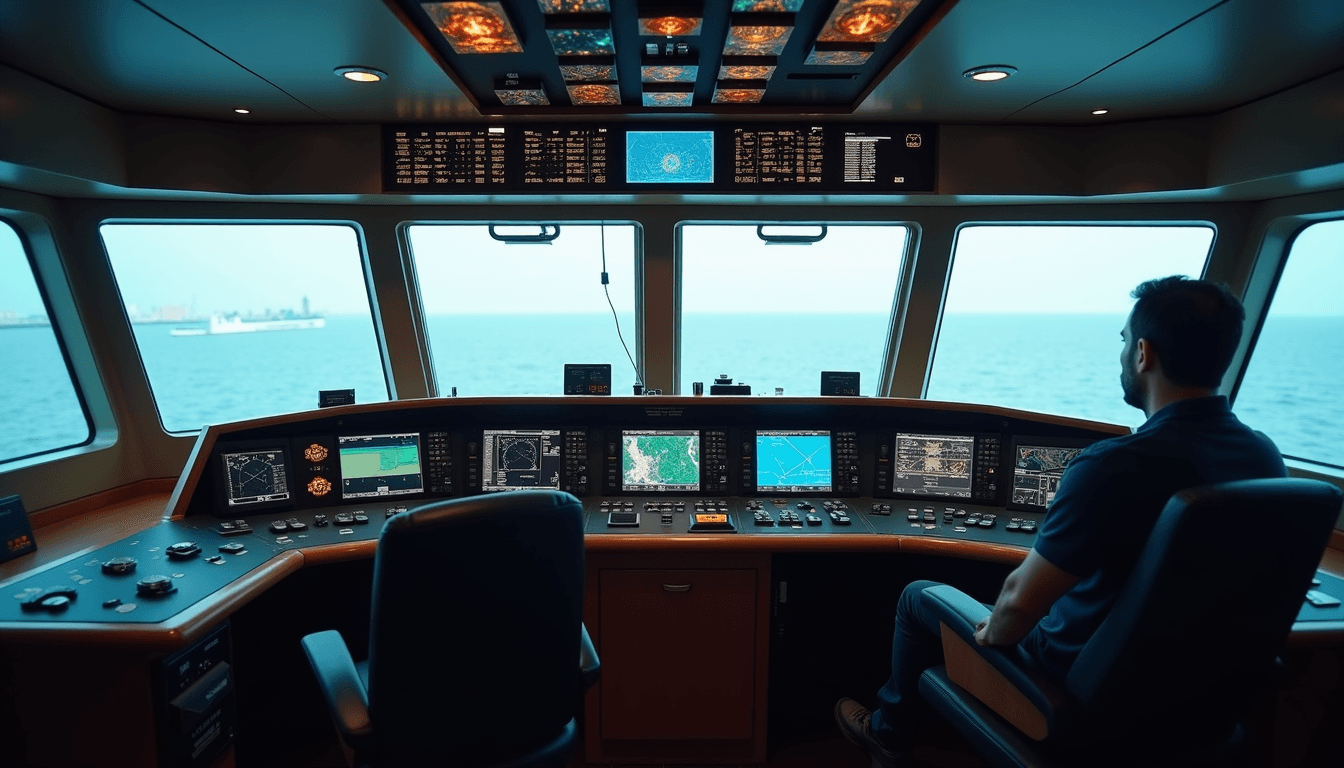 Digital maritime reporting in action on a ship’s bridge
Receive our monthly maritime intelligence report directly in your inbox.
Expand your knowledge with these recent publications.
A typical shore-side superintendent or fleet operations director manages anywhere from 5 to 15 vessels. On any given morning, keeping track of those vessels requires navigating a dense ecosystem of single-purpose software tools: an Alarm...
These tools integrate with your ship’s existing systems, such as GPS, engine monitors, and weather sensors. They collect data continuously and compile it into structured reports. You can customize these reports to focus on what matters most to your operations.
Key features include:
The ship reporting system is a structured process for vessels to communicate their status, position, and other operational data to relevant authorities and fleet managers. Traditionally, this involved manual reports submitted at fixed intervals or upon request.
Modern digital ship reporting systems automate this process. They gather data from onboard instruments and transmit it electronically. This ensures timely, accurate, and consistent reporting.
Benefits include:
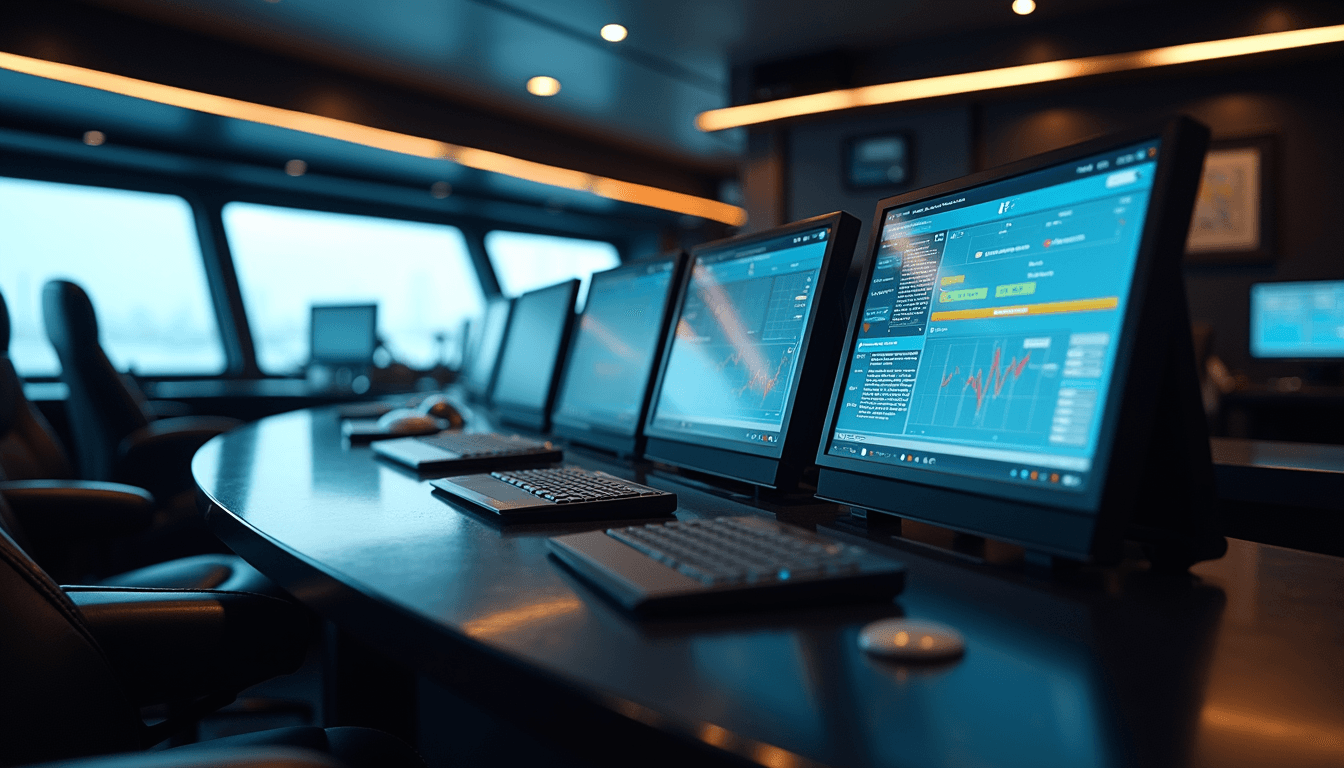 Ship control room equipped with digital reporting systems
Adopting new technology can seem daunting, but with the right approach, you can make the transition smooth and effective.
One of the most valuable applications of digital maritime reporting tools is the use of digital noon reports online. Noon reports are daily summaries of a ship’s position, speed, weather conditions, and operational status. Traditionally, these were handwritten and submitted after the fact.
Now, digital noon reports provide real-time updates accessible to fleet managers worldwide. This means you can:
The maritime industry is evolving, and so should your fleet management practices. Digital maritime reporting tools offer a clear path to greater efficiency, safety, and cost savings. By integrating these tools into your operations, you unlock the power of data to drive smarter decisions.
Take the first step today. Explore how digital reporting can transform your fleet’s performance and position your operations for success in a digital future.
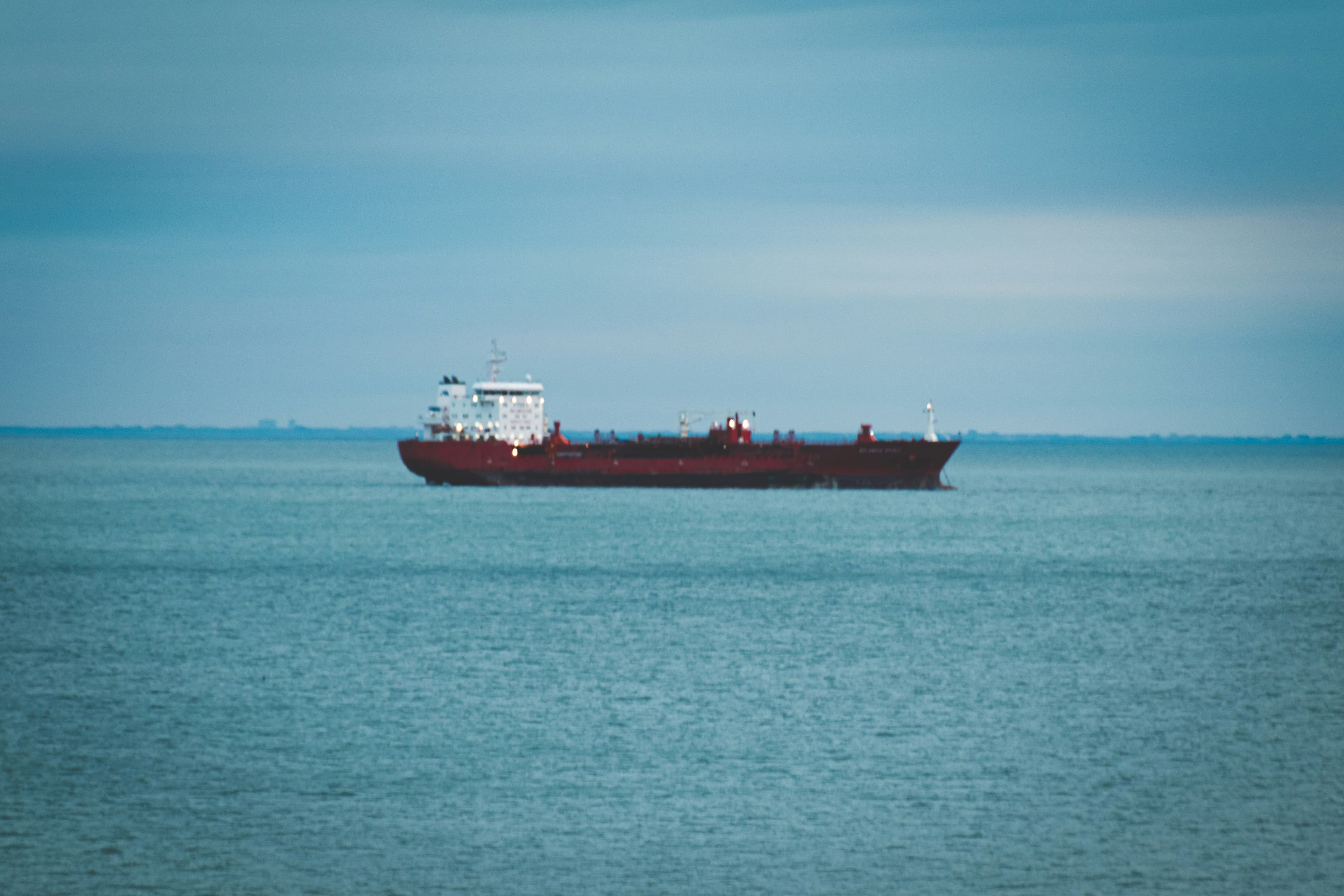
Vessels generate a continuous stream of operational and technical information, from condition-monitoring data and machinery trends to performance indicators, maintenance records, alarms, and daily reports. All of this data can provide...
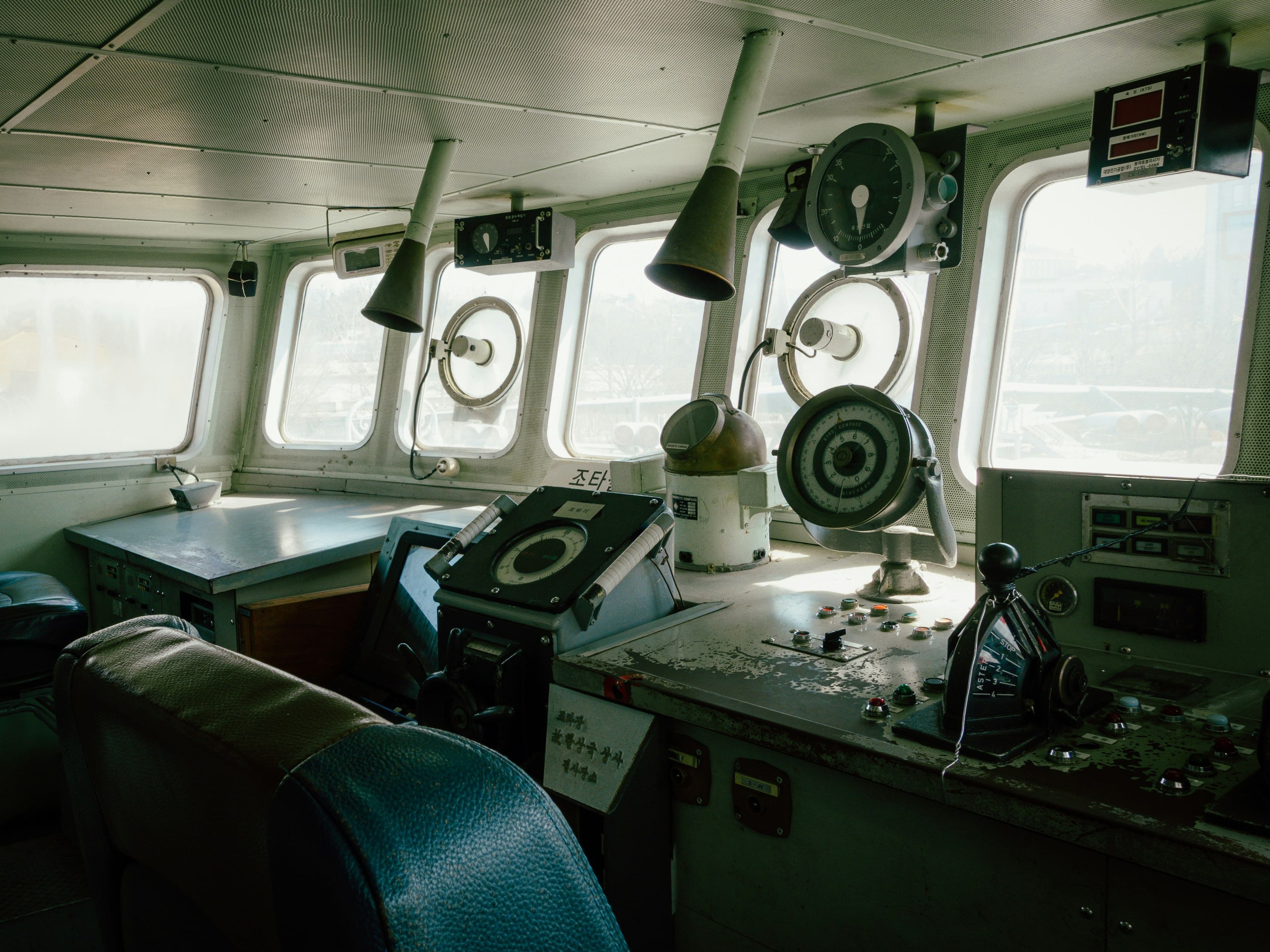
Finding a simple answer from all those collected data can still mean navigating multiple dashboards, reviewing complicated graphs, or searching through pages of reports. Gelectric’s new Chat with Your Vessel feature introduces a simpler way...