Loading article

Cookie preferences
We use strictly necessary storage for site operation and optional categories for experience, measurement, and marketing. Choose what Gelectric can use, and update it any time from Cookie Settings in the footer.
Cookie preferences
We use strictly necessary storage for site operation and optional categories for experience, measurement, and marketing. Choose what Gelectric can use, and update it any time from Cookie Settings in the footer.
Gelectric Editorial Team
In many fleets, digital flowmeters are already installed on board. But in practice, the data is often still checked locally on the vessel, used only for limited reporting purposes, or reviewed after the fact.
As EU MRV requirements continue to increase attention on fuel data quality and monitoring practices, this creates an important question:
If flowmeters are already installed, why not make the data usable from shore as well?
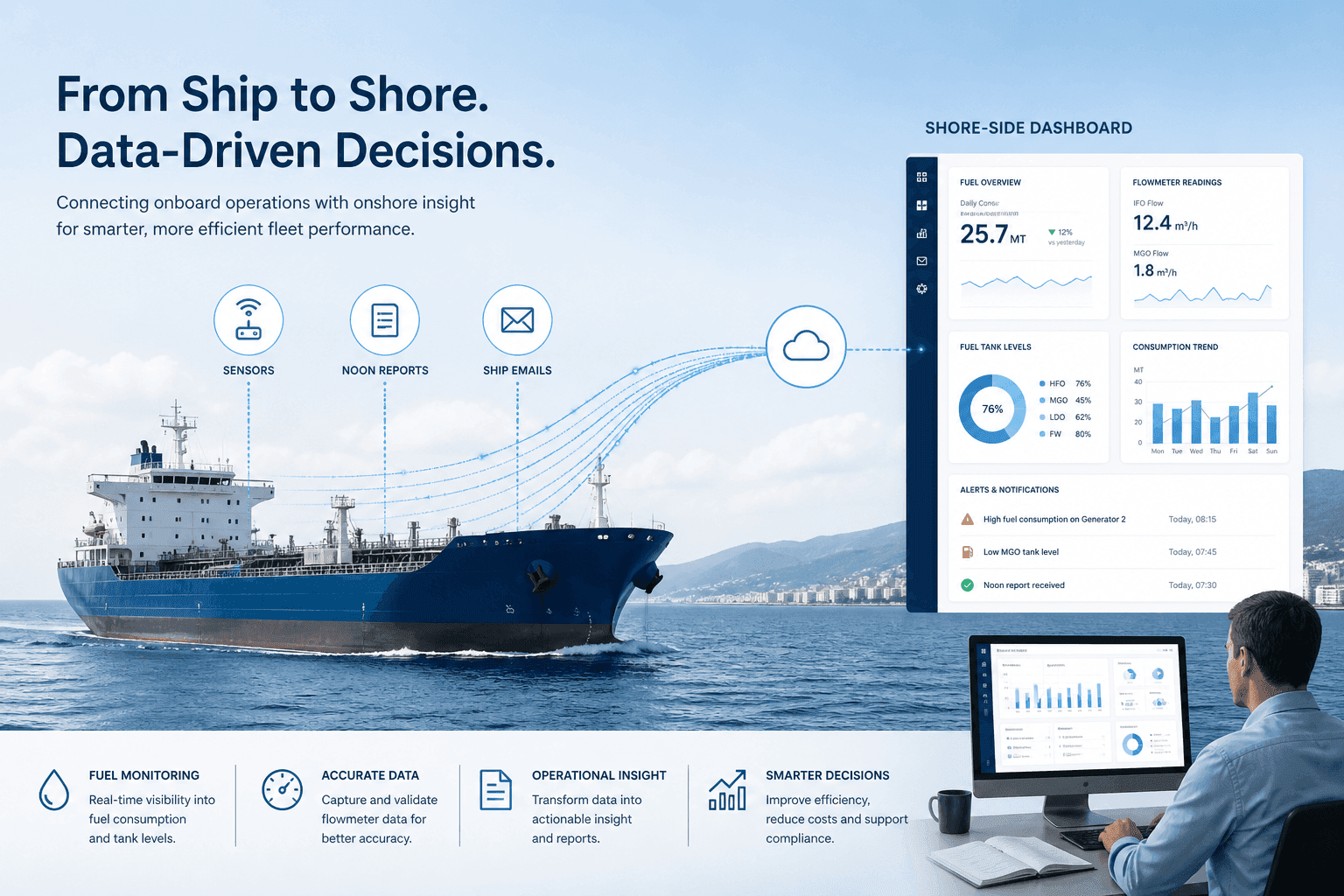
Remote access to flowmeter data can help shipowners, technical managers, and operations teams move from delayed visibility to more continuous monitoring.
Instead of relying only on onboard checks, office teams can monitor fuel-related data remotely, including from standard web interfaces or mobile devices, depending on system setup. This improves visibility across the fleet and allows quicker reaction when something looks unusual.
Why this matters
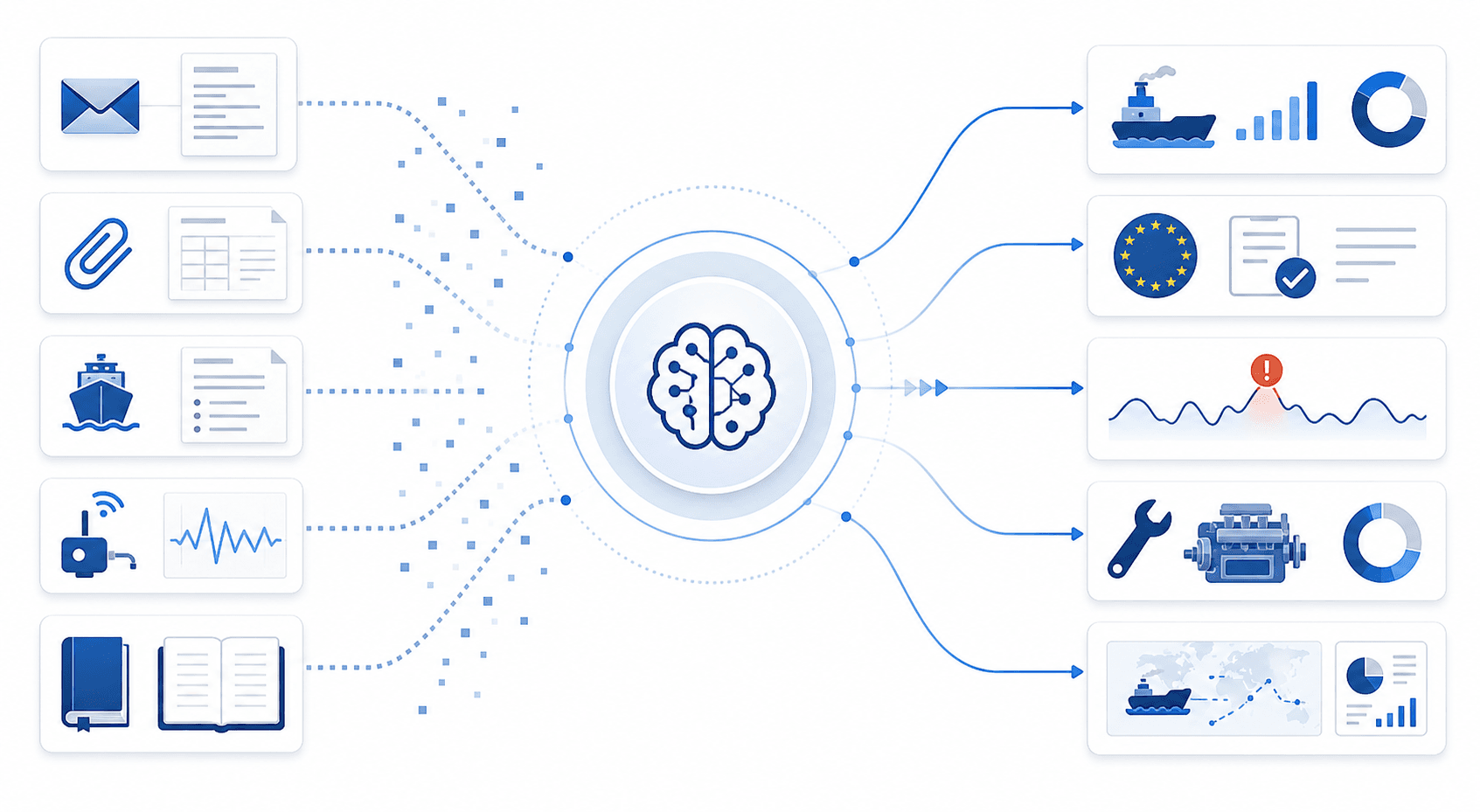
For many companies, fuel data is still spread across different places:
This makes it harder to compare measured consumption with reported figures, identify discrepancies early, or use the data operationally.
A better approach is to connect digital flowmeter data with the rest of the reporting environment, so fuel information is not only collected, but also monitored and interpreted in context.
Receive our monthly maritime intelligence report directly in your inbox.
Expand your knowledge with these recent publications.

Meeting regulatory demands in the maritime industry is no small feat. As shipowners and fleet managers, you face increasing pressure to comply with environmental standards while maintaining operational efficiency. The EU Monitoring,...
What remote flowmeter monitoring can support
If vessels already have digital flowmeters on board, a remote monitoring solution can support:
Depending on the available setup, this can also support condition monitoring and maintenance-related follow-up when abnormal patterns appear over time.
Beyond compliance
Flowmeters are often discussed mainly in the context of compliance. But their value can go further.
When fuel data becomes accessible and reviewable from shore, it can also support:
In other words, the real value is not only having the sensor on board. The value comes from making the data visible, connected, and usable.
A practical question for shipowners and managers
If your vessels already have digital flowmeters installed, ask:
If the answer is not yet clear, there may be an opportunity to get much more value from the systems already in place.
As conclude:
Fuel monitoring should not remain limited to onboard viewing or delayed reporting.
If digital flowmeters are already installed, remote monitoring can help turn that data into something more useful for compliance support, operational visibility, and better technical follow-up.
Do you have questions or projects, want to work with us. Reach out to us from contact page.

Meeting regulatory requirements is no longer optional in maritime operations. The EU Monitoring, Reporting, and Verification (MRV) regulation demands precise attention from shipowners and fleet managers. I understand the pressure to stay...

Introduction This document outlines the Automated Compliance Reporting solution developed by Gelectric. The primary objective of this solution is to streamline the complex reporting requirements for EU ETS, IMO DCS, and EU MRV. By utilizing...