Loading article

Cookie preferences
We use strictly necessary storage for site operation and optional categories for experience, measurement, and marketing. Choose what Gelectric can use, and update it any time from Cookie Settings in the footer.
Cookie preferences
We use strictly necessary storage for site operation and optional categories for experience, measurement, and marketing. Choose what Gelectric can use, and update it any time from Cookie Settings in the footer.

Gelectric Editorial Team
Meeting regulatory requirements is no longer optional in maritime operations. The EU Monitoring, Reporting, and Verification (MRV) regulation demands precise attention from shipowners and fleet managers. I understand the pressure to stay compliant while maintaining operational efficiency. This post will guide you through the regulatory compliance challenges and practical steps to ensure your vessels meet EU MRV standards.
Regulatory compliance in the maritime sector is complex. The EU MRV regulation requires detailed monitoring of CO2 emissions from vessels calling at European ports. This means you must collect, report, and verify emissions data annually. The challenge lies in the accuracy and consistency of data collection across your fleet.
Many fleet managers struggle with:
The EU MRV regulation applies to all ships above 5,000 gross tonnage that call at EU ports. It mandates the monitoring and reporting of CO2 emissions, fuel consumption, and other relevant data for each voyage to and from EU ports.
Key MRV requirements include:
Receive our monthly maritime intelligence report directly in your inbox.
Expand your knowledge with these recent publications.

When the International Maritime Organization (IMO) introduced the Energy Efficiency Existing Ship Index (EEXI), shipowners faced a strict mandate: establish a technical design benchmark to ensure existing vessels meet carbon intensity...
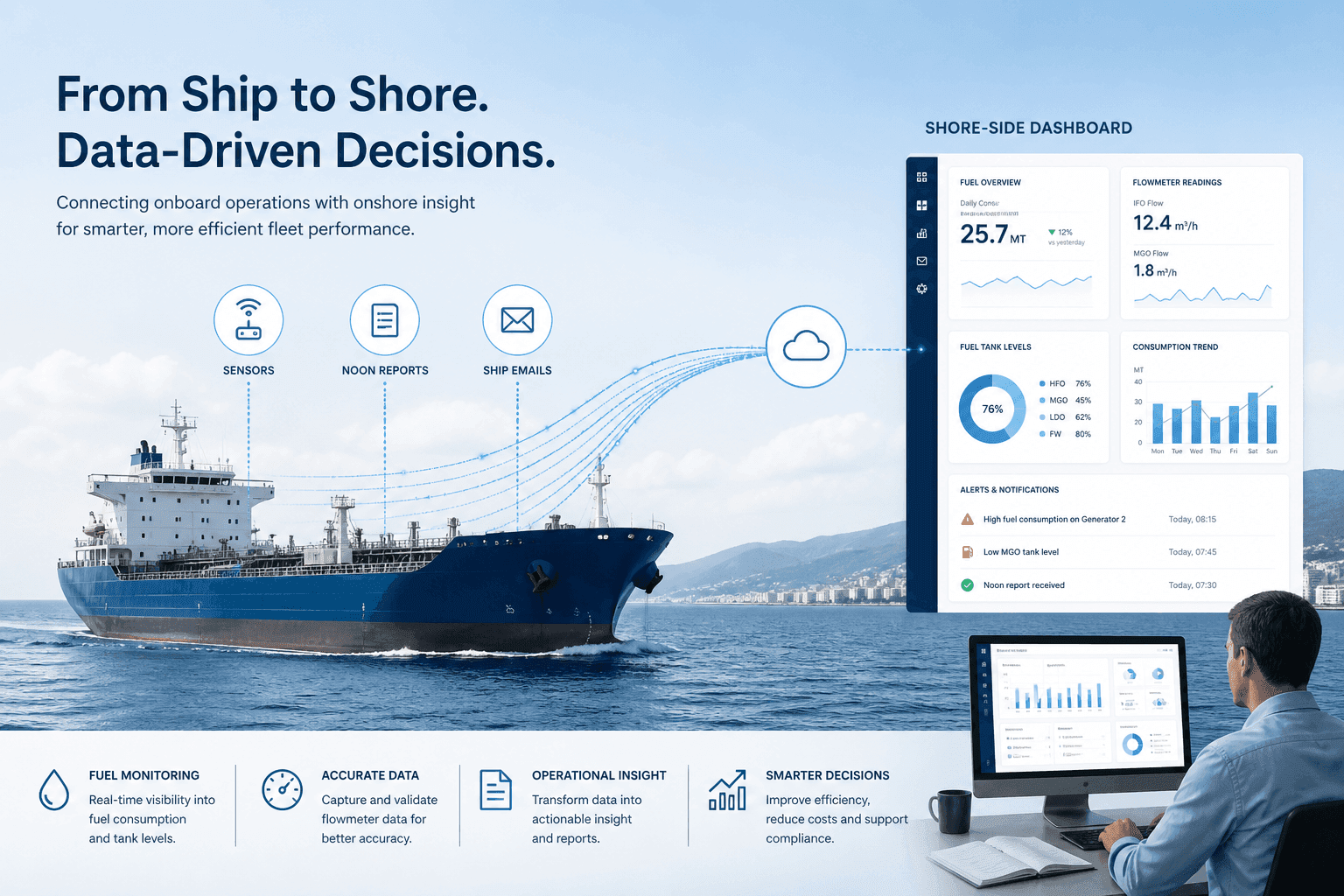
 Ship's fuel monitoring system on deck
To stay ahead, you need a robust compliance plan. Here’s how you can ensure your vessels meet EU MRV standards effectively:
Start by creating a detailed monitoring plan tailored to your fleet. This plan should specify:
Manual data entry is prone to errors. Invest in automated data collection tools that integrate with your existing systems. These tools can track fuel consumption and emissions in real-time, reducing human error and saving time.
Ensure everyone involved understands the importance of accurate data collection. Conduct regular training sessions to keep your team updated on MRV requirements and best practices.
Before submitting your annual report, perform internal audits to verify data accuracy. This proactive approach helps identify and correct issues early.
Choose verifiers with proven experience in maritime emissions. Establish clear communication channels to streamline the verification process.
Leverage data analytics to identify trends and optimize fuel consumption. This not only supports compliance but also improves operational efficiency and reduces costs.
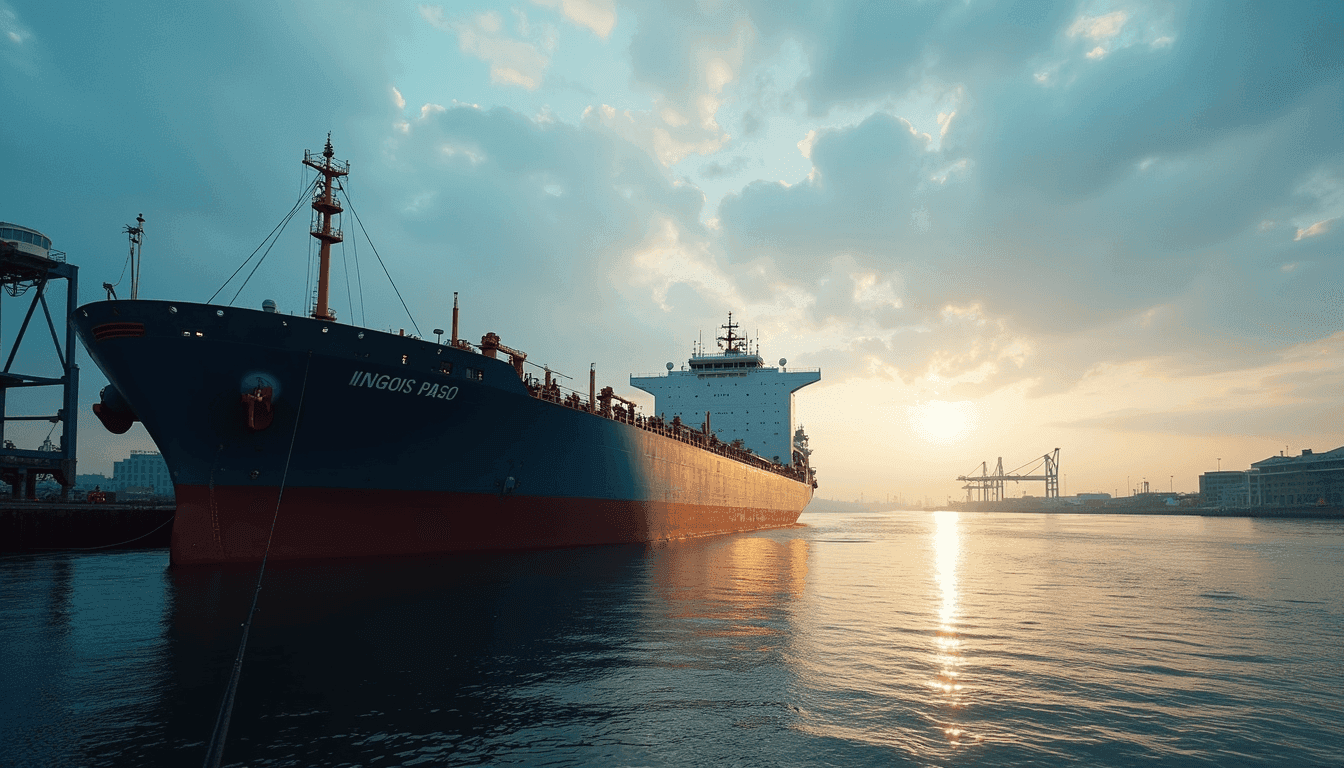
 Ship navigating through calm sea waters
Technology plays a vital role in simplifying compliance. Modern software solutions can automate data collection, reporting, and verification workflows. Here’s what to look for:
Compliance is not a one-time task. Regulations evolve, and so should your processes. Regularly review your monitoring plan and data management practices. Stay informed about updates to EU MRV rules and emerging best practices.
Consider joining industry forums or working groups focused on maritime emissions. Networking with peers can provide valuable insights and help you anticipate changes.
Ensuring eu mrv compliance for vessels is a strategic move that protects your operations and enhances your fleet’s sustainability profile. By tackling regulatory compliance challenges head-on, you position your fleet for long-term success in a competitive market.
In many fleets, digital flowmeters are already installed on board. But in practice, the data is often still checked locally on the vessel, used only for limited reporting purposes, or reviewed after the fact. As EU MRV requirements continue...
Meeting regulatory demands in the maritime industry is no small feat. As shipowners and fleet managers, you face increasing pressure to comply with environmental standards while maintaining operational efficiency. The EU Monitoring,...