Loading article

Cookie preferences
We use strictly necessary storage for site operation and optional categories for experience, measurement, and marketing. Choose what Gelectric can use, and update it any time from Cookie Settings in the footer.
Cookie preferences
We use strictly necessary storage for site operation and optional categories for experience, measurement, and marketing. Choose what Gelectric can use, and update it any time from Cookie Settings in the footer.
Gelectric Editorial Team
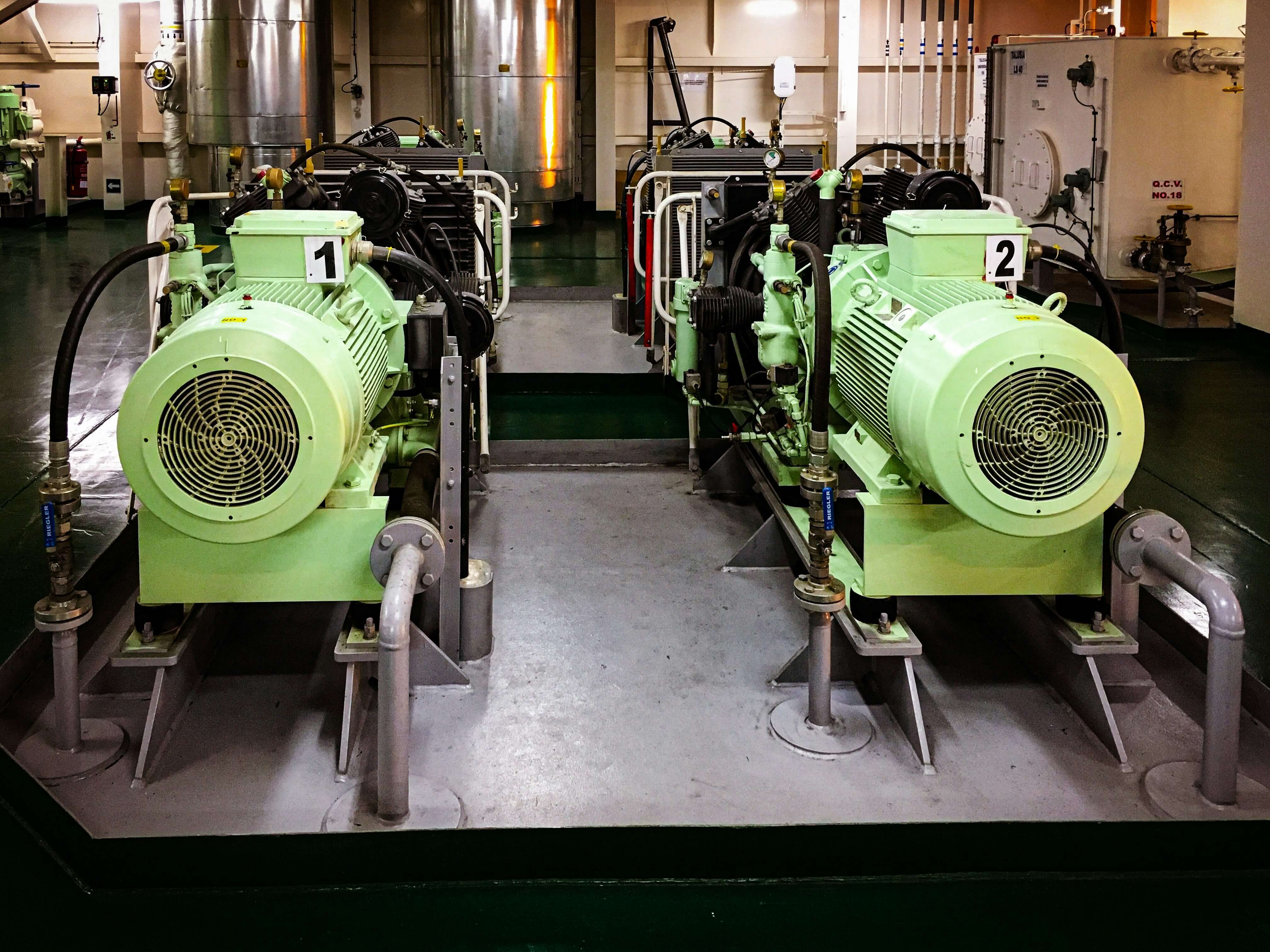
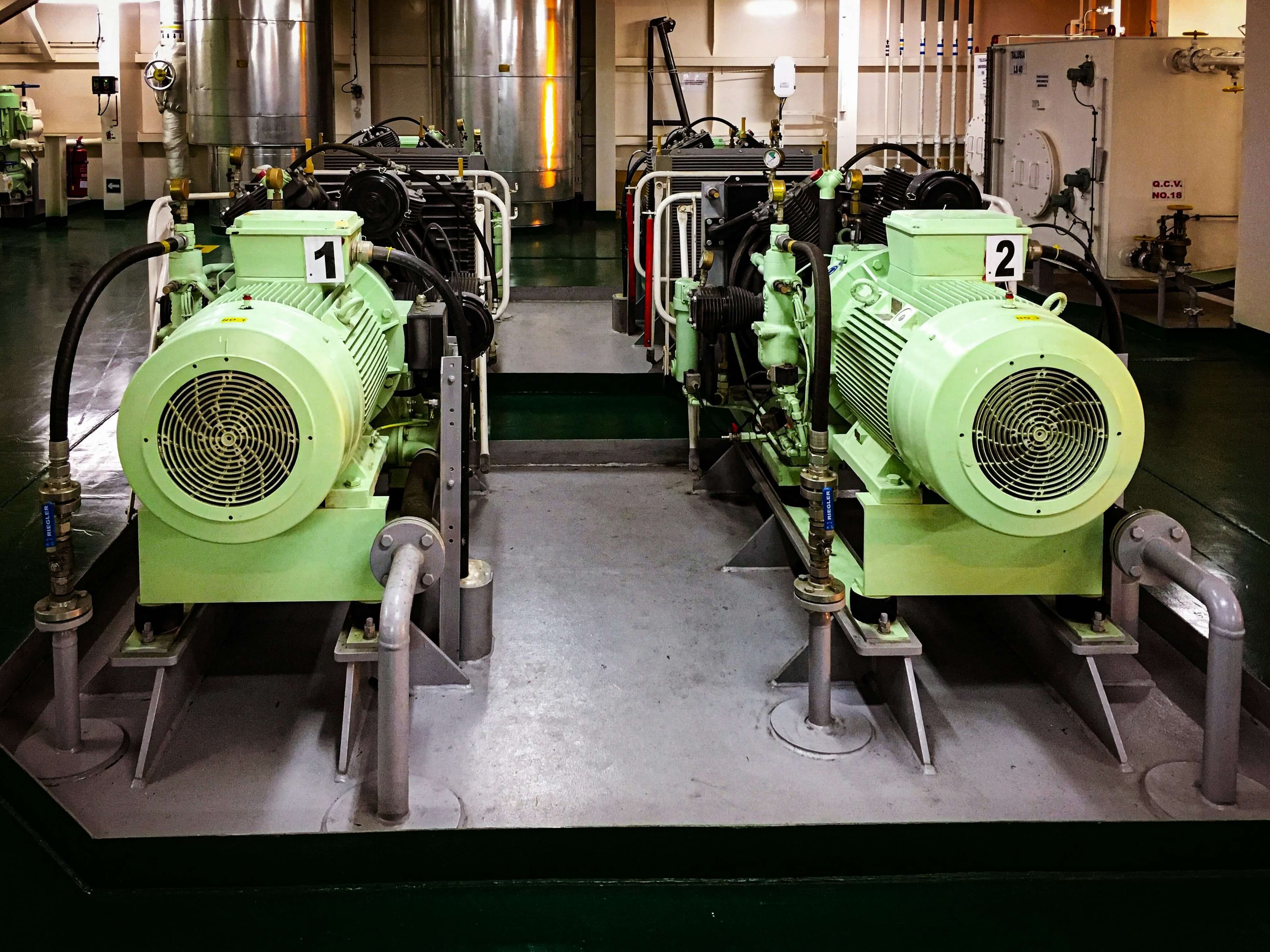
In an era of heightened environmental consciousness and resource optimization, the maritime industry is undergoing a transformative shift towards cleaner, more efficient operations. Amidst this sea change, the adoption of RPM limitation systems stands out as a technology with the potential to revolutionize maritime efficiency, particularly in the realm of pumps and fans.
RPM limitation systems are meticulously designed to intelligently manage the rotational speed of critical components like pumps and fans, ensuring that they operate at the optimal level to meet specific demands. By preventing excessive power consumption, these systems yield remarkable fuel savings and significant reductions in carbon emissions.
The benefits of RPM limitation systems extend far beyond fuel efficiency. By minimizing energy consumption, these systems contribute to a reduction in greenhouse gas emissions, aligning with the maritime industry's commitment to environmental sustainability. Moreover, RPM limitation systems extend the lifespan of pumps and fans by preventing them from operating at excessive or inefficient speeds, reducing maintenance costs and ensuring long-term operational reliability.
The implementation of RPM limitation systems on commercial vessels has yielded remarkable results, demonstrating the transformative potential of this technology. A recent study conducted on a large commercial vessel found that the installation of an RPM limitation system resulted in a projected monthly fuel savings of up to 6,838 MT. These savings translate into significant cost reductions for shipping companies, enhancing their financial sustainability and aligning with the Energy Efficiency Existing Ship Index (EEXI) and Carbon Intensity Indicator (CII) regulations.
As environmental regulations tighten and industry stakeholders embrace cleaner practices, RPM limitation systems are poised to play an increasingly pivotal role in shaping the future of maritime operations. With their proven ability to enhance fuel efficiency, reduce emissions, and extend equipment lifespan, RPM limitation systems are revolutionizing maritime efficiency, paving the way for a more sustainable and cost-effective future for the industry.
This transformative technology is not merely a technical upgrade; it signifies a paradigm shift in maritime operations, demonstrating the power of innovation to address the challenges of sustainability and efficiency. As RPM limitation systems become more widely adopted, they will undoubtedly play a crucial role in shaping a greener and more sustainable maritime industry, aligning with the EEXI and CII goals.
Receive our monthly maritime intelligence report directly in your inbox.
Expand your knowledge with these recent publications.

Introduction This document outlines the Speed and Consumption Performance solution developed by Gelectric. Our primary objective is to provide a precise, data-driven understanding of the relationship between vessel speed, fuel burn, and...
For more information please check our webpage: https://www.gelectric.io/rpm-limitation-for-pumps

Marine vessels rely on pumps for various critical onboard systems. These include ballast water management, cooling, firefighting, lubrication, fuel transfer, and bilge handling. Proper pump performance is not just operationally essential;...

Introduction In this case study, we explore the implementation and impact of our electrical energy monitoring solution on a sea vessel equipped with a Variable Frequency Drive (VFD) application for its consumption reducing. Our goal was to...