Loading article
Cookie preferences
We use strictly necessary storage for site operation and optional categories for experience, measurement, and marketing. Choose what Gelectric can use, and update it any time from Cookie Settings in the footer.
Cookie preferences
We use strictly necessary storage for site operation and optional categories for experience, measurement, and marketing. Choose what Gelectric can use, and update it any time from Cookie Settings in the footer.
Gelectric Editorial Team
The maritime industry is evolving fast. You need to keep up or risk falling behind. Artificial intelligence (AI) is no longer a futuristic concept. It’s here, transforming how ships operate, how fleets are managed, and how decisions are made. With maritime AI technologies, you can unlock new levels of efficiency, safety, and cost savings. Let me walk you through how AI is revolutionizing maritime operations and how you can benefit from it today.
Efficiency is the backbone of any successful maritime operation. AI helps you optimize routes, reduce fuel consumption, and improve maintenance schedules. Imagine having a system that analyzes weather, sea conditions, and traffic in real-time to suggest the best course for your vessel. This not only saves time but also cuts fuel costs significantly.
AI-powered predictive maintenance is another game-changer. Instead of waiting for equipment to fail, AI analyzes sensor data to predict when parts need servicing. This reduces downtime and avoids costly repairs. You can schedule maintenance during planned stops, keeping your fleet running smoothly.
Here are some practical ways AI boosts efficiency:
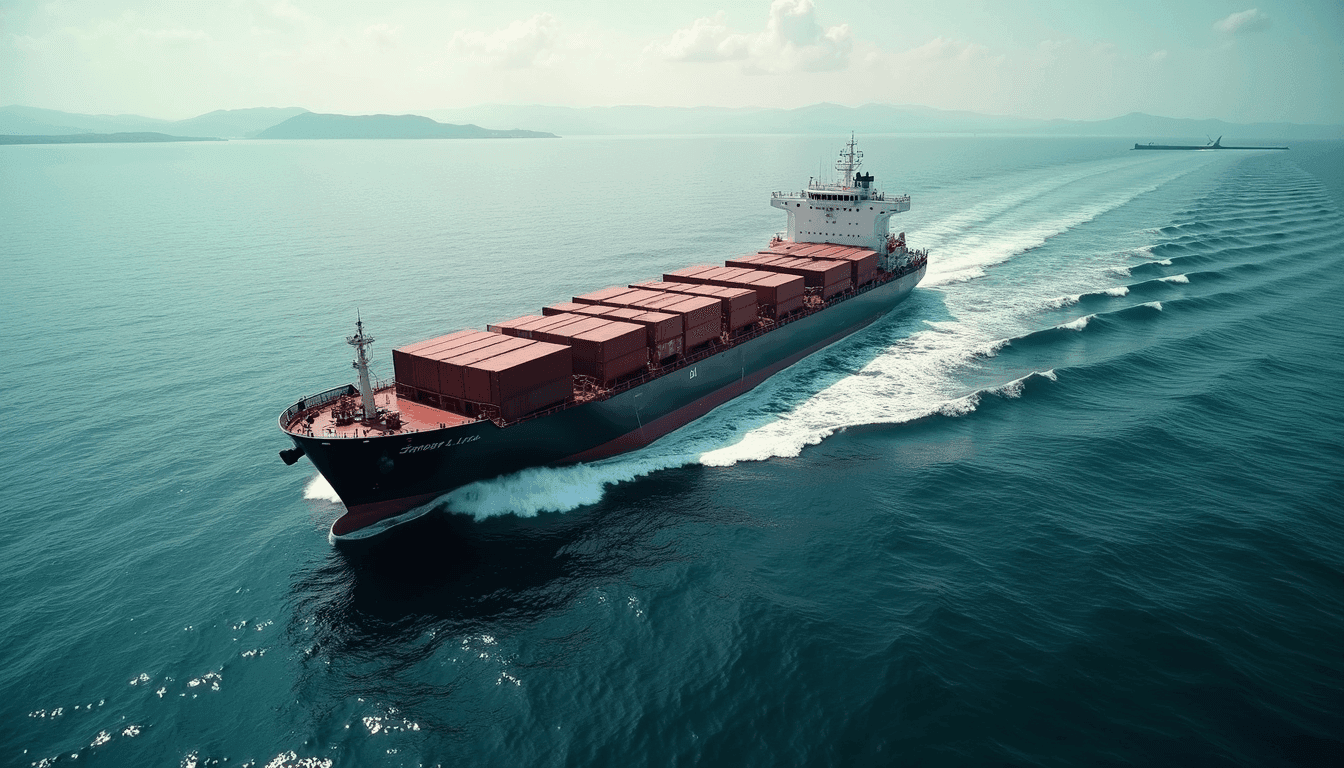
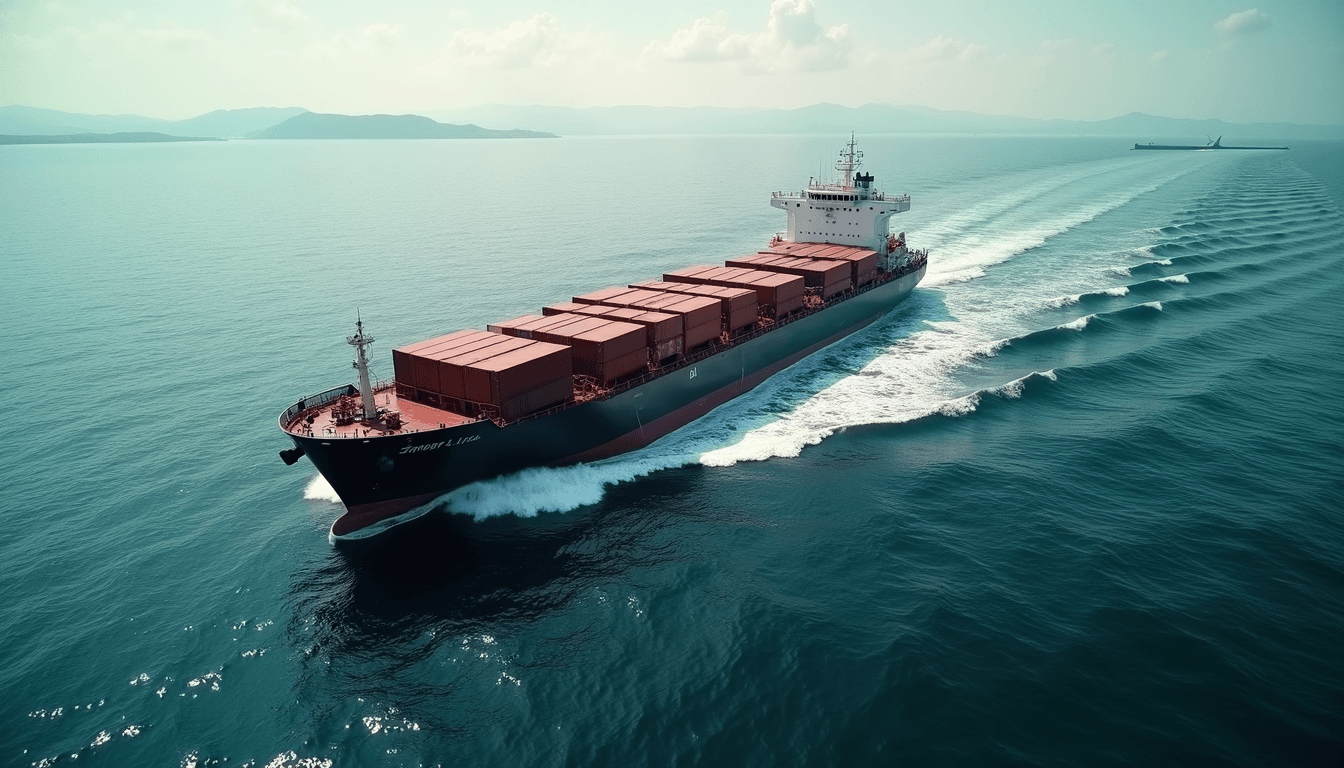 AI optimizing maritime routes for efficiency
Receive our monthly maritime intelligence report directly in your inbox.
Expand your knowledge with these recent publications.
A typical shore-side superintendent or fleet operations director manages anywhere from 5 to 15 vessels. On any given morning, keeping track of those vessels requires navigating a dense ecosystem of single-purpose software tools: an Alarm...
Several AI technologies are shaping the future of maritime operations. Understanding these will help you decide which solutions fit your fleet best.
Machine learning models analyze vast amounts of data from sensors, weather reports, and ship logs. They identify patterns and provide actionable insights. For example, they can predict engine performance issues or suggest fuel-saving measures based on historical data.
Computer vision uses cameras and AI to monitor ship conditions and surroundings. It can detect obstacles, monitor cargo loading, and even assess hull integrity. This technology enhances safety and reduces human error.
Autonomous or semi-autonomous navigation systems use AI to control vessels with minimal human intervention. These systems improve precision in navigation and reduce the risk of accidents caused by human fatigue or error.
NLP helps in automating communication and documentation. AI can interpret and generate reports, translate communications, and assist in compliance checks, saving time and reducing errors.
Platforms like gelectric turn your existing data into smart, actionable insights. They integrate various AI tools into one dashboard, making it easier to monitor and manage your fleet’s performance.
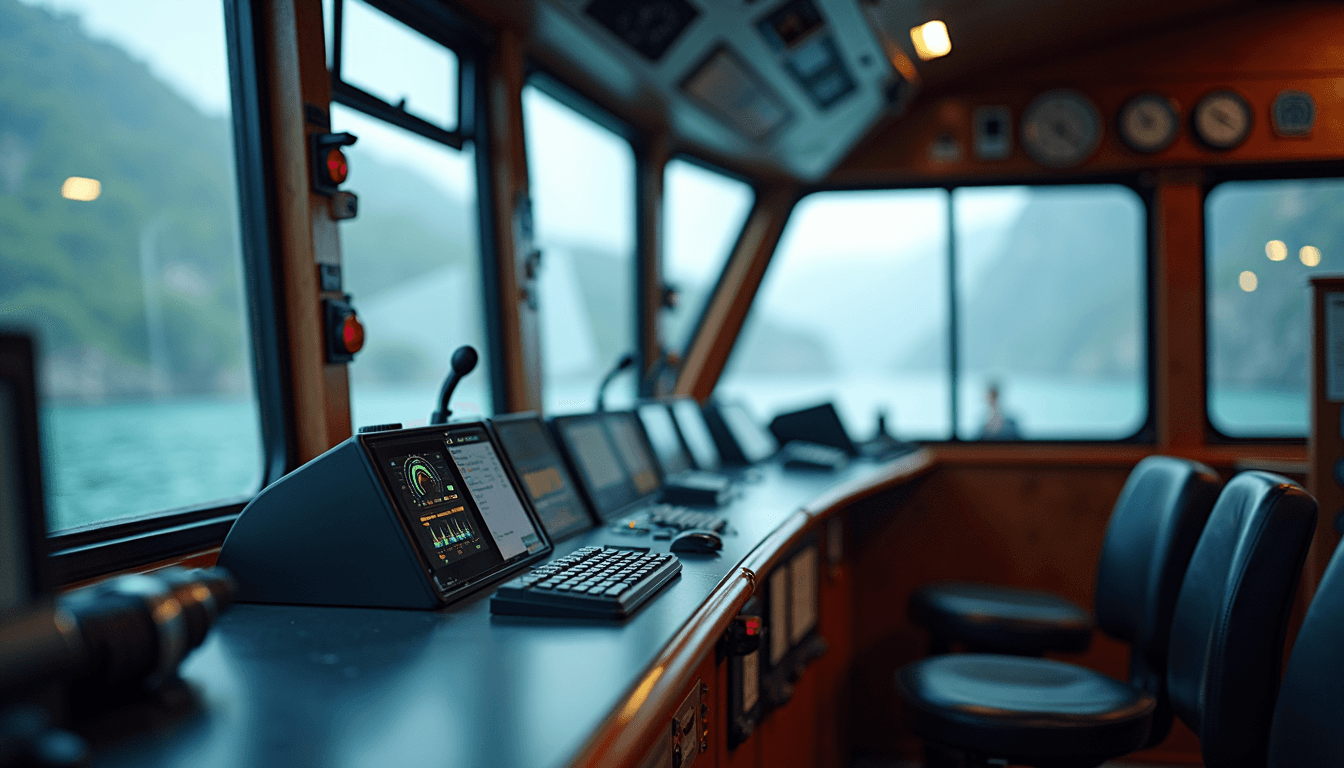 AI-powered navigation systems enhancing maritime safety
Adopting AI might seem daunting, but breaking it down into clear steps makes it manageable.
Start by evaluating the data you already collect. Is it accurate and comprehensive? Good data is the foundation of effective AI. 2. Identify Pain Points
Pinpoint areas where AI can add the most value. Is fuel consumption too high? Are maintenance costs spiraling? Focus on problems AI can solve. 3. Choose the Right Solutions
Not all AI tools are created equal. Look for solutions tailored to maritime needs. Platforms like gelectric offer specialized tools designed for fleet management. 4. Train Your Team
Ensure your crew and management understand how to use AI tools. Training reduces resistance and maximizes benefits. 5. Start Small and Scale
Begin with pilot projects on a few vessels. Measure results, refine processes, then expand across your fleet. 6. Monitor and Optimize
AI systems improve over time with more data. Keep monitoring performance and adjust strategies accordingly. By following these steps, you can smoothly integrate AI into your operations and start seeing tangible benefits.
AI adoption is not without challenges. You might face data quality issues, resistance to change, or integration difficulties. Here’s how to tackle them:
AI is not just a tool; it’s a strategic advantage. By embracing maritime AI technologies, you position your fleet for the future. You gain better control over operations, reduce costs, and improve safety. The maritime industry is moving fast, and AI is at the helm of this transformation.
If you want to stay competitive, start exploring AI solutions now. Platforms like gelectric can help you turn your existing data into powerful insights. The future of maritime operations is smart, connected, and efficient. Don’t get left behind.
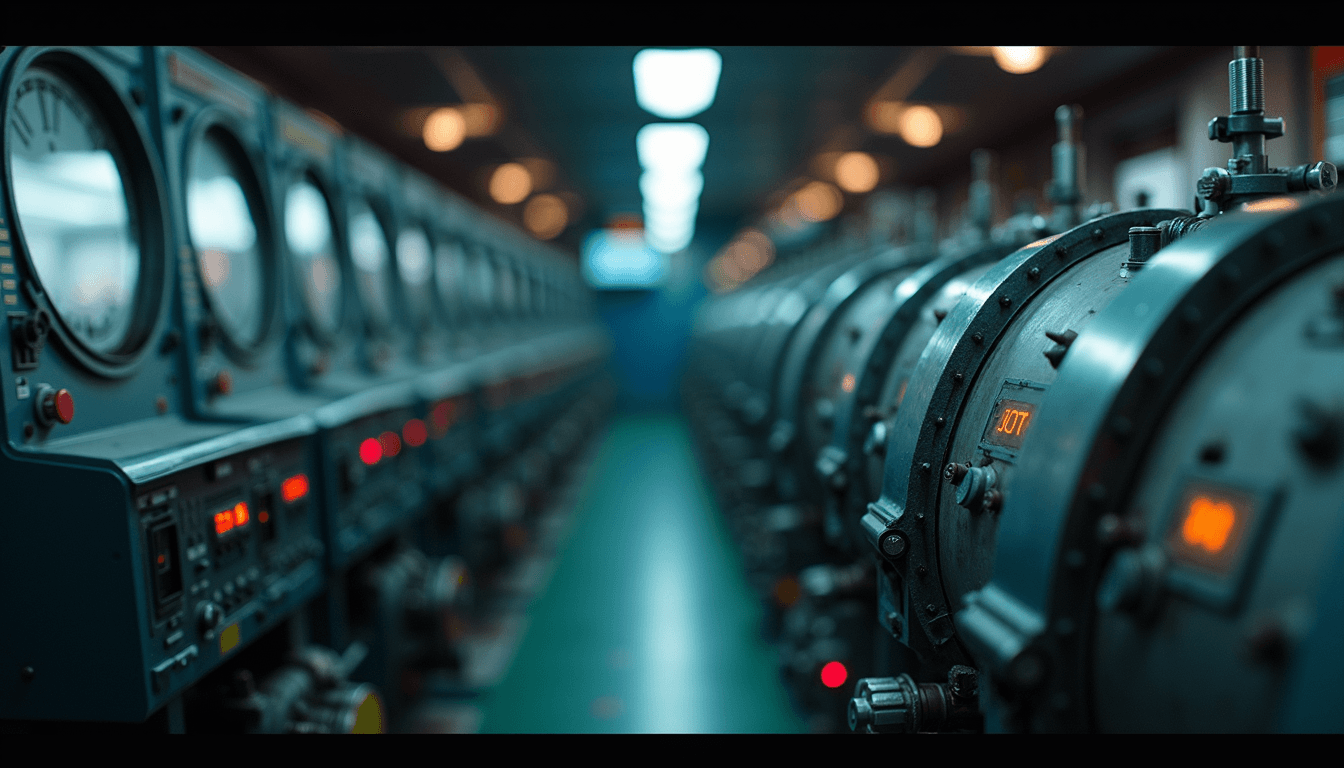 AI-driven predictive maintenance in maritime engineering
Vessels generate a continuous stream of operational and technical information, from condition-monitoring data and machinery trends to performance indicators, maintenance records, alarms, and daily reports. All of this data can provide...
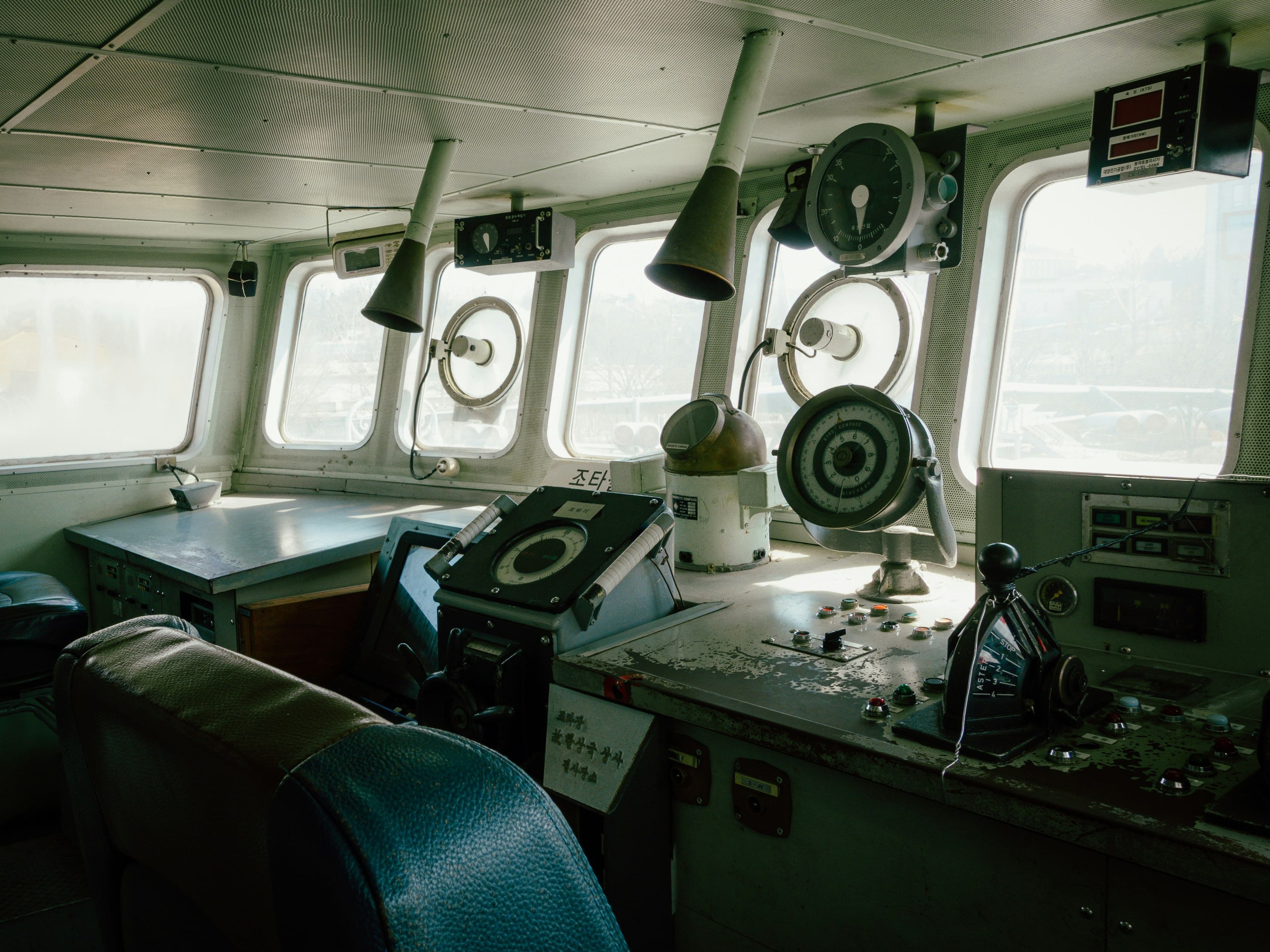
Finding a simple answer from all those collected data can still mean navigating multiple dashboards, reviewing complicated graphs, or searching through pages of reports. Gelectric’s new Chat with Your Vessel feature introduces a simpler way...