Loading article
Cookie preferences
We use strictly necessary storage for site operation and optional categories for experience, measurement, and marketing. Choose what Gelectric can use, and update it any time from Cookie Settings in the footer.
Cookie preferences
We use strictly necessary storage for site operation and optional categories for experience, measurement, and marketing. Choose what Gelectric can use, and update it any time from Cookie Settings in the footer.
Gelectric Editorial Team
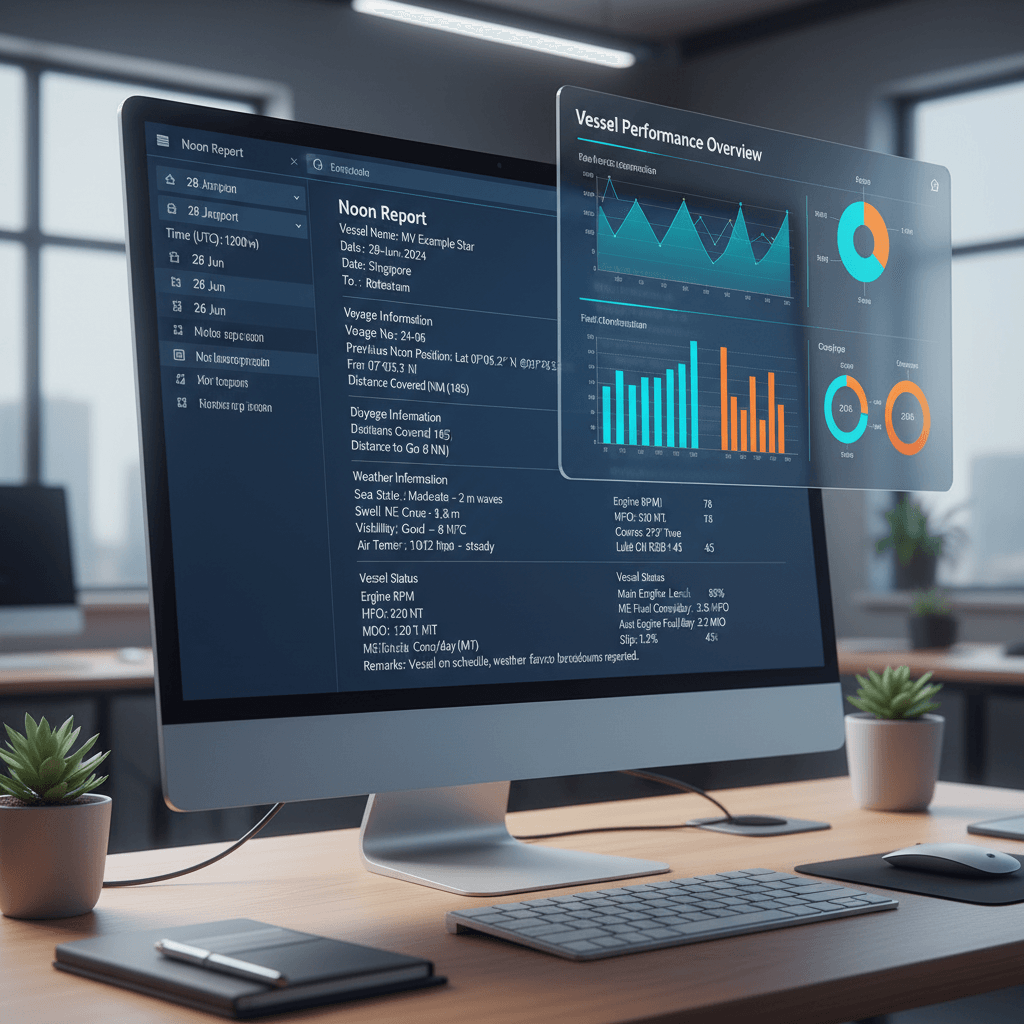
For more than a century, noon reports have been bridge between a vessel at sea and the shore-based management team. Every day, they capture a snapshot of the vessel's position, performance and operating conditions, a ritual that allows ship owners and managers to make informed decisions
In today's era of connectivity, some might ask: Do we still need those?
The answer is yes, but there are ways to improve.
In the 18th century, the only accurate way for a ship to determine its exact position in the open ocean was at noon when the sun reached its highest point.
Knowing the exact position was vital for calculation courses to steer and for estimating arrival times.
Over time, the scope of the noon report expanded from simply recording position to encompassing voyage data from the last 24 hour, including speed, fuel consumption and operational remarks.
A noon report is a standardized update prepared daily, summarizing critical voyage data such as position, distance traveled, fuel use, speed, and remarks on operational status.
For ship owners and technical managers, it remains a cornerstone tool for monitoring fleet health, ensuring operational efficiency, and spotting potential issues before they escalate.
Even in an age of continuous data streaming, noon reports deliver unique value:
Receive our monthly maritime intelligence report directly in your inbox.
Expand your knowledge with these recent publications.
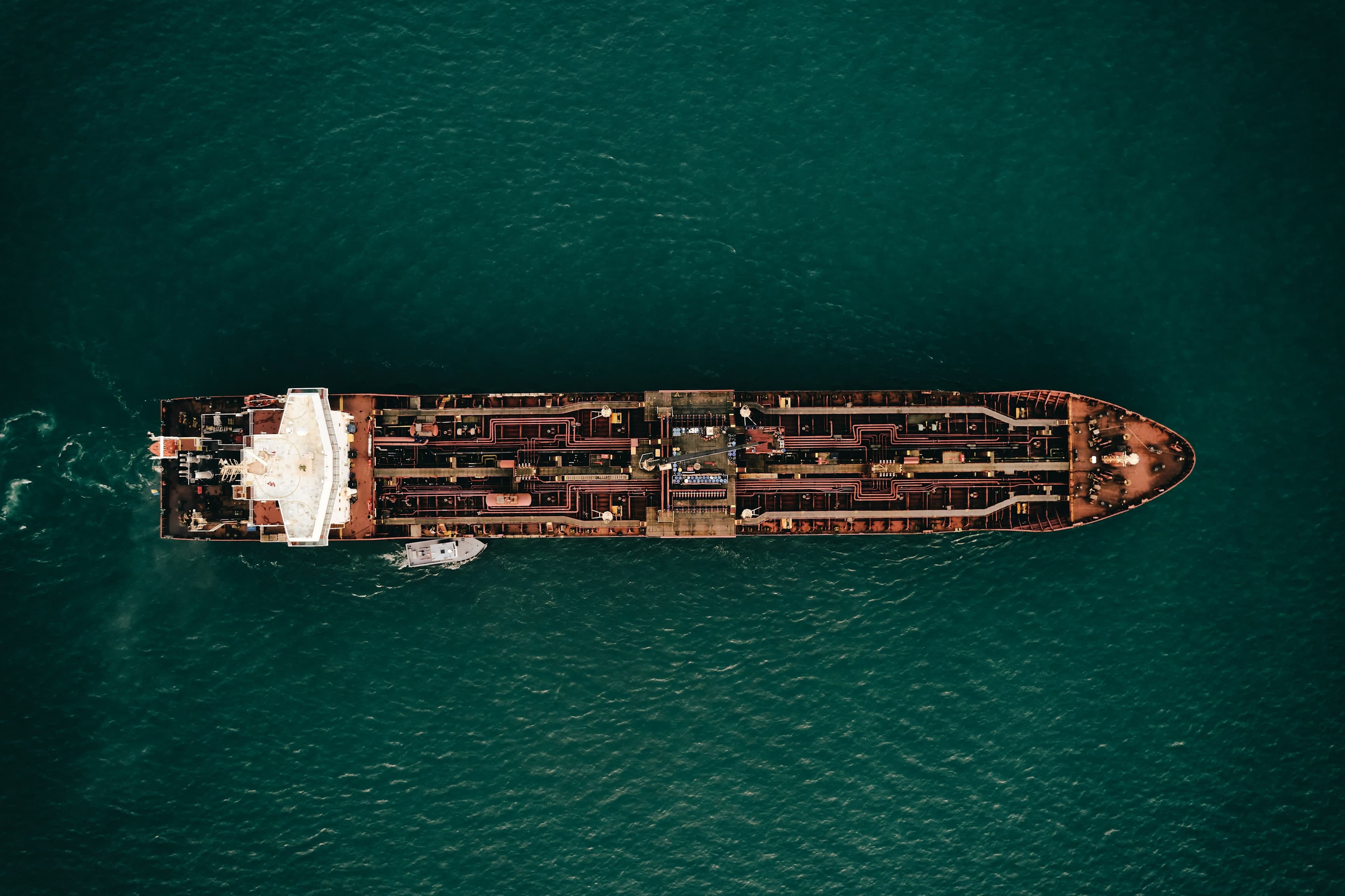
A typical shore-side superintendent or fleet operations director manages anywhere from 5 to 15 vessels. On any given morning, keeping track of those vessels requires navigating a dense ecosystem of single-purpose software tools: an Alarm...
Traditional noon reporting processes often struggle with:
Vessels don’t need to change a thing, crews can keep sending their noon reports as always. Gelectric’s AI-powered system interprets and enhances them automatically:
🚢 Ready to turn emailed noon reports into instant insights?
Contact Gelectric today and see how you can streamline fleet performance monitoring, without changing the way your vessels work.
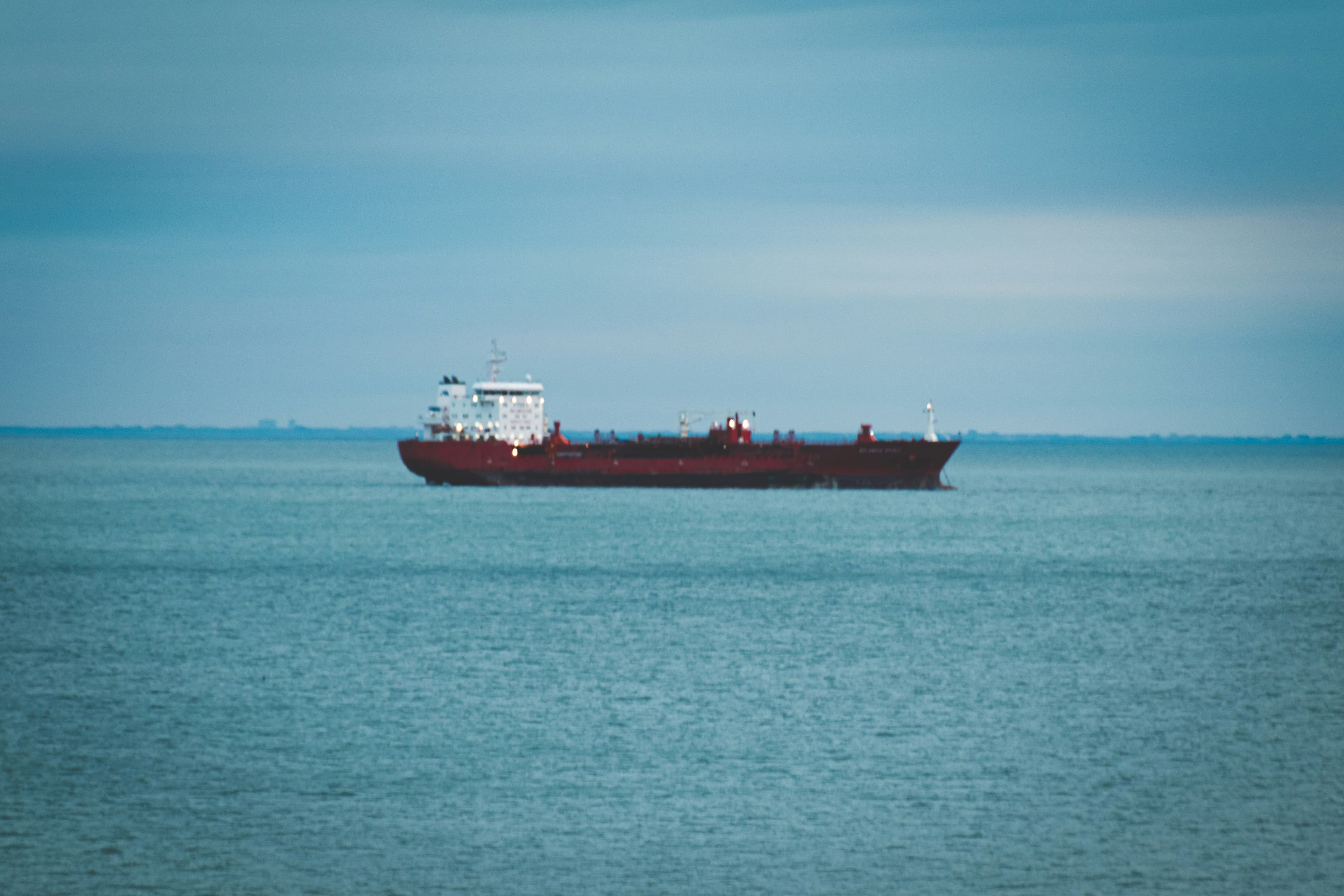
Vessels generate a continuous stream of operational and technical information, from condition-monitoring data and machinery trends to performance indicators, maintenance records, alarms, and daily reports. All of this data can provide...
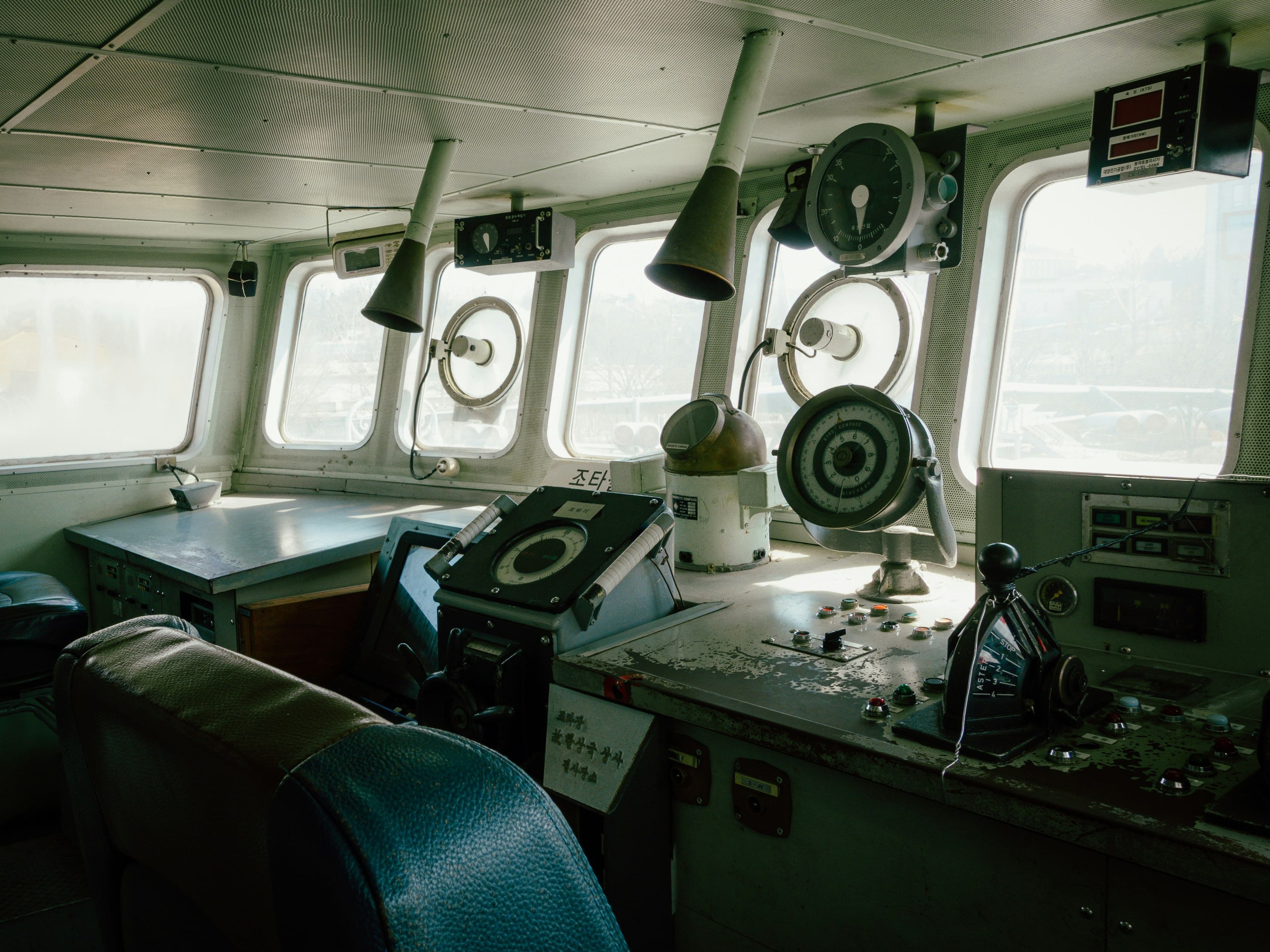
Finding a simple answer from all those collected data can still mean navigating multiple dashboards, reviewing complicated graphs, or searching through pages of reports. Gelectric’s new Chat with Your Vessel feature introduces a simpler way...